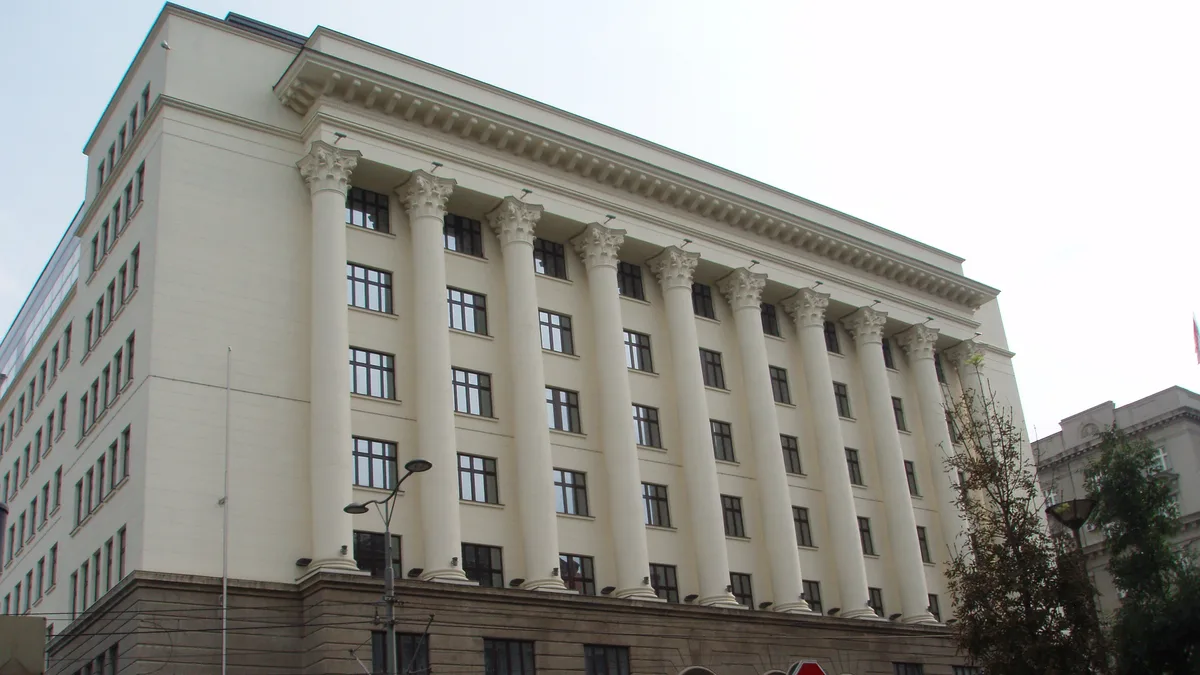
Novi Sad canopy indictment rejected for third time
The Belgrade Appellate Court has rejected the indictment over the Novi Sad canopy collapse for the third time. The case returns to the Higher Court, and the trial over 16 deaths still cannot begin.

- The Belgrade Appellate Court has rejected the confirmation of the indictment over the Novi Sad railway station canopy collapse for the third time.
- The tragedy killed 16 people in November 2024.
- The case has been returned to the Higher Court in Belgrade because, in the court's view, it is unclear whether the indictment was filed by the competent prosecutor.
- More than a year and a half after the disaster, the trial still cannot begin.
The proceedings over one of the gravest tragedies in Serbia’s recent history have again been sent back to square one. The Belgrade Appellate Court has, for the third time, rejected the confirmation of the Higher Public Prosecutor’s indictment over the collapse of the canopy at the Novi Sad railway station. The case has been returned to the Higher Court in Belgrade for a new ruling.
The canopy fell in November 2024. Sixteen people died in the disaster. More than a year and a half has passed since then, yet the trial on criminal responsibility has still not opened. The indictment has reached the second-instance court three times, and three times it has come back.
Why was the indictment rejected again?
The court’s decision does not rest on the substance of the charges, but on a question of jurisdiction. In its reasoning, the court states that it is unclear whether the indictment was filed by the competent prosecutor.
The disputed point is an earlier decision to reassign the case. At one stage the matter was moved from the Higher Public Prosecutor’s Office in Belgrade to the Prosecutor’s Office for Organized Crime. The Appellate Court holds that the first-instance court did not sufficiently check who was authorized to act at that moment, and when the decision changing jurisdiction took effect.
This, then, is a procedural obstacle. The court did not assess whether there are grounds for a trial or whether the allegations are true. It examined only whether the indictment was filed in a legally correct manner. Until that question is resolved, the main hearing cannot be scheduled.
For the victims’ families, every such return of the case means another wait. Instead of a debate on responsibility, the proceedings have remained, for a year and a half, at the stage of examining the formal validity of the charging document.
What does the repeated outcome mean for the judiciary?
Three rejections of the same indictment are not a routine course of events. Part of the legal community has assessed that the repeated return of the case points to pressure on the judiciary. According to those views, a delay in such a sensitive case cannot be explained by technical failings alone.
At the same time, the pattern of the rulings stays within procedural grounds. Each time, the court sends the case back over the same type of flaw, tied to jurisdiction and the prosecutor’s authority. That question must be cleared up before any indictment can take legal force.
The heart of the matter is simple and hard at once. Sixteen people lost their lives, and the proceedings have not yet reached even the first day of trial. Guilt has not been established with final effect for anyone, because the trial has not begun. Every new delay pushes back the moment at which the court could deal with the facts at all.
The case is now once again before the Higher Court in Belgrade. Its decision will determine whether the indictment can, for a fourth time, be prepared in a way that withstands review by the second-instance court.
How many times may a single indictment be sent back to square one before the efficiency of the proceedings itself is called into question?