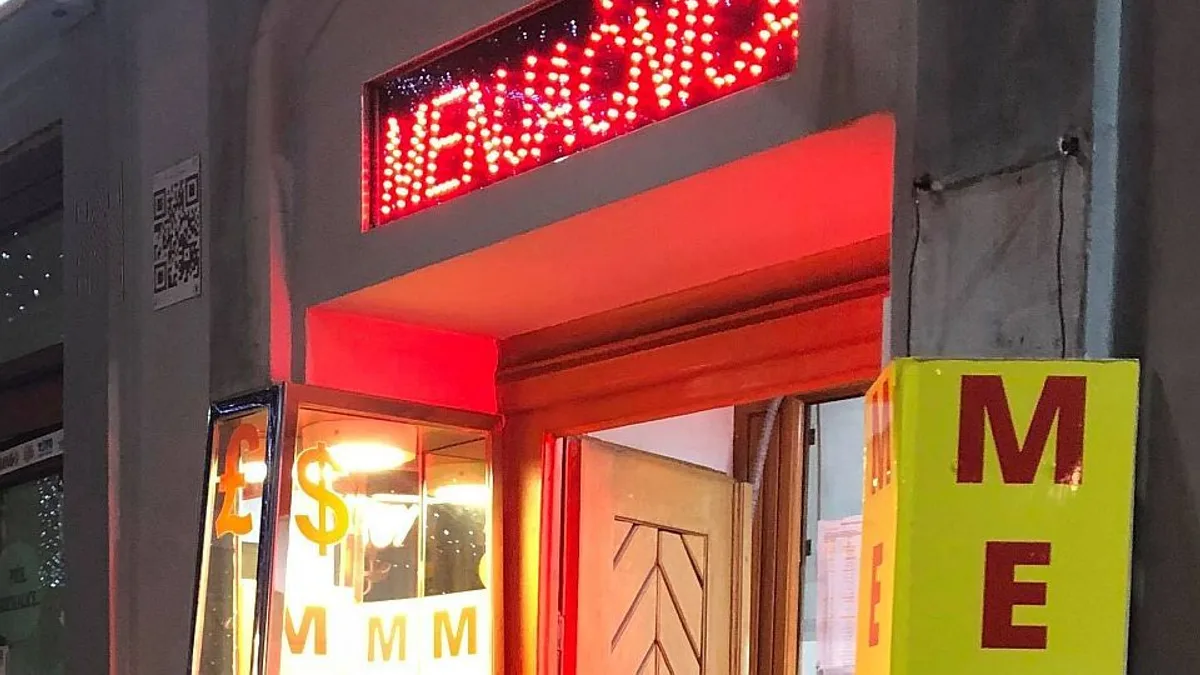
Dinar Steady Near 117.36 Per Euro at Summer Travel Peak
The National Bank of Serbia's official mid rate holds steady around 117.36 dinars per euro in mid-July, amid the summer travel rush and heavier currency exchange activity.

- The National Bank of Serbia's official mid rate sits near 117.36 dinars per euro in mid-July.
- On July 9 the mid rate was 117.3605, with a buying rate of 117.0084 and a selling rate of 117.7126 dinars.
- The rate stays stable despite turbulence on the global oil market and geopolitical risks.
- A steady rate makes cost planning easier for citizens during the summer travel season.
The dinar’s official mid rate against the euro is holding at 117.36 in mid-July, according to the exchange rate list the National Bank of Serbia publishes every working day. On July 9 the mid rate stood at 117.3605 dinars, with a buying rate of 117.0084 and a selling rate of 117.7126. That level has barely moved since the start of the month, during a stretch when exchange activity is heavier because of summer travel and the holiday season.
The stability is not accidental. Through interventions on the interbank foreign exchange market, the central bank keeps the dinar within a narrow band under a managed float regime. That means the currency’s value tracks market signals, but stays inside limits the monetary authority considers acceptable. The result is a rate that moves by hundredths of a dinar from day to day, rather than in sharp jumps.
Stability amid external pressure
The calm rate arrives at a time that is anything but calm globally. The world oil market is seeing turbulence, and geopolitical risks continue to keep investors cautious. Even so, the dinar shows no signs of strain, which suggests that foreign reserves and demand for the local currency are enough to absorb outside shocks.
For citizens, the most visible figure is the spread between the buying and selling rate, which around a mid level of 117.36 comes to roughly 0.70 dinars. That is the margin exchange offices and banks charge on every transaction, and in practice the only cost most users feel when swapping euros for dinars or the other way around. On larger sums, for example when withdrawing cash for a holiday, that difference adds up, so it pays to compare rates before exchanging.
The National Bank of Serbia publishes its official list once a day, every working day, and that mid rate serves as the reference for calculating taxes, customs duties and accounting entries. Exchange offices and commercial banks set their own rates around that level, adding their own margin, so the actual offer varies from one shop to the next.
What does a steady rate mean for your summer budget?
For a household planning a trip abroad, a predictable rate is a concrete advantage. When the value of the euro does not shift from week to week, the dinar amount needed to book accommodation, buy fuel or set aside spending money can be worked out in advance, with no risk of it getting more expensive before departure. The same holds for those who receive remittances in euros or pay obligations in the currency, since a stable rate removes uncertainty from monthly planning.
It is worth keeping in mind that a steady mid rate does not mean every exchange office offers the same rate. Buying and selling rates depend on each office’s business policy, and the gap against the official mid rate is where the exchange office earns its money. For small sums that difference is negligible, but when swapping several hundred euros it is worth checking where the spread is narrowest.
As long as the central bank maintains this regime, the dinar is likely to keep moving in a narrow band around its current level. Before your holiday, will you exchange your euros all at once or in several rounds, and how closely do you watch the gap between the buying and selling rate?