OIE Serbia 2026: 12 GW Await Grid Connection to 2029
At the OIE Serbia 2026 conference in Vrdnik, Minister Djedovic Handanovic said 12 gigawatts of projects are waiting for grid connection, far more than the grid can absorb, pushing deadlines to 2029.

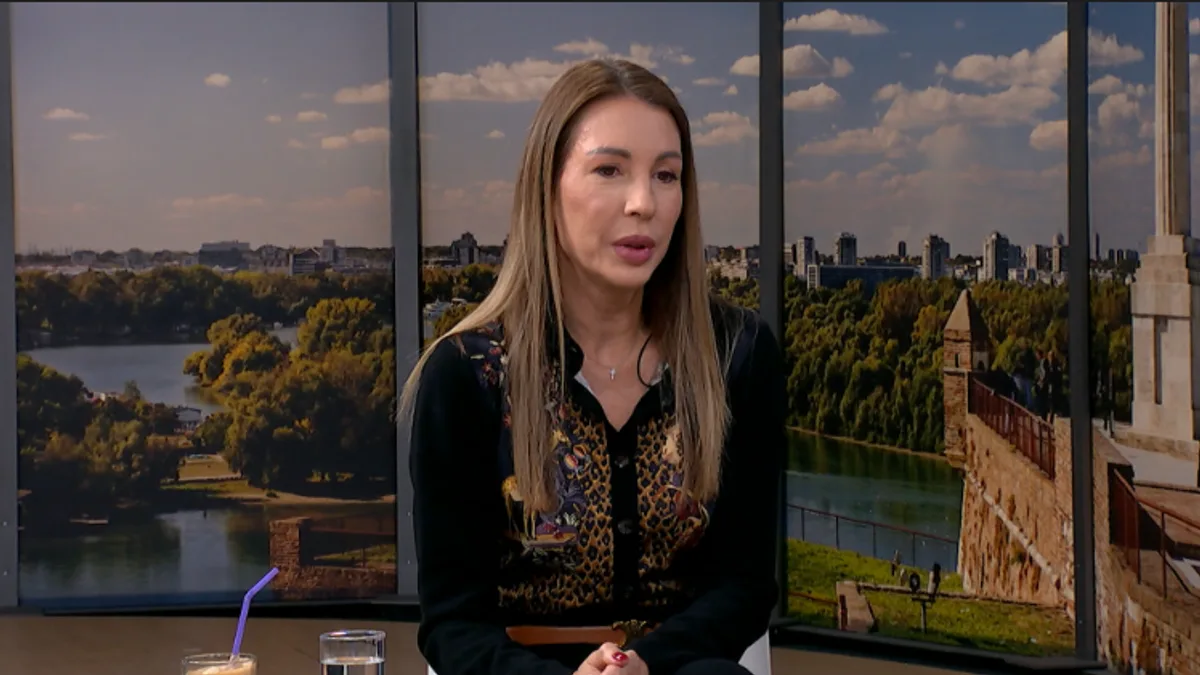
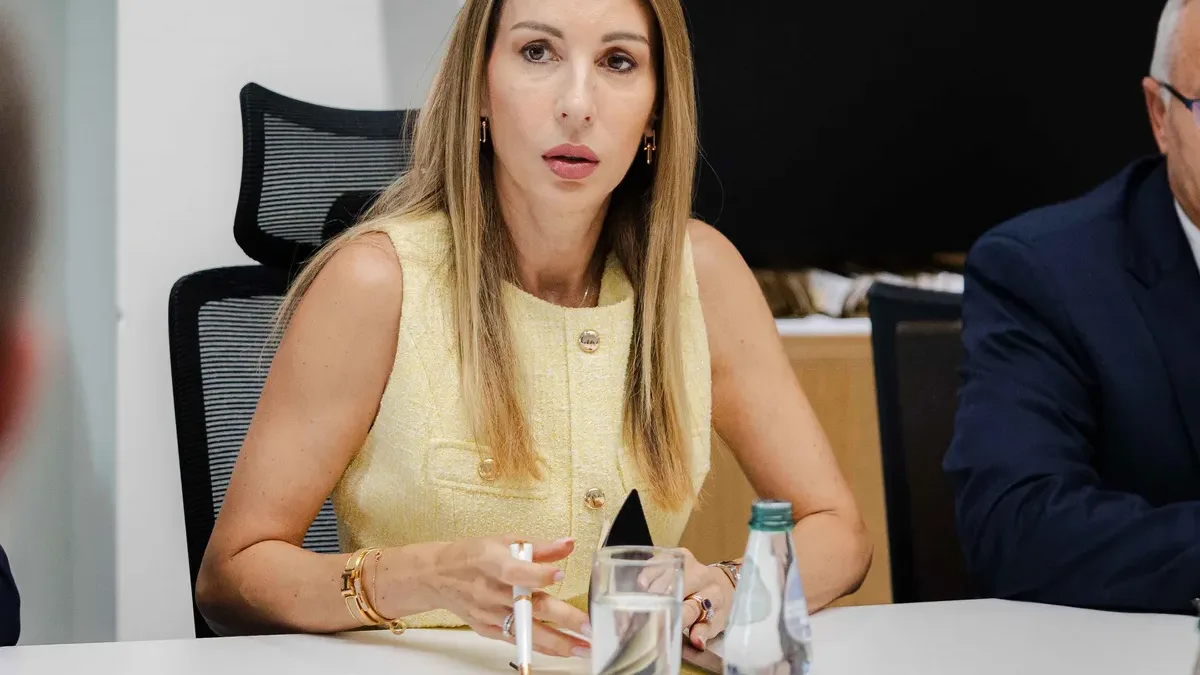
Twelve gigawatts: that is how much capacity is waiting for a connection to Serbia’s transmission grid, Mining and Energy Minister Dubravka Djedovic Handanovic said today in Vrdnik at the opening of the OIE Serbia 2026 conference. Add the distribution network and the figure climbs to 15 gigawatts, which she described as several times more than the power system can currently integrate.
The OIE Serbia 2026 conference opened today at the Vrdnicka Kula complex in Vrdnik and runs through tomorrow, September 16. It is organized by the Renewable Energy Sources of Serbia association, for the sixth year running. Sources differ on attendance: Energetski portal cites more than 600 delegates from 30 countries and 50 speakers, while RTV and Politika, citing the Tanjug agency, report more than 500 participants.
Capacity quadrupled in four years
According to RTV, Minister Djedovic Handanovic addressed the gathering as an envoy of President Aleksandar Vucic. She said the combined capacity of Serbia’s wind and solar plants has grown over the past four years from about 400 megawatts to more than 1.3 gigawatts, with almost 1.5 gigawatts expected by the end of the year.
Two rounds of auctions have supported 17 new solar and wind plants, with a combined capacity of 1.2 gigawatts and an investment value of around 1.5 billion euros, the minister said. Nine of those plants are already connected to the grid. She called the target of at least 3.5 gigawatts of new renewable capacity by 2030 achievable: “The target of at least 3.5 GW by 2030 looks not only achievable, but realistic.”
Why deadlines are being pushed to 2029
Demand for grid connections, however, has outstripped the network’s capacity. The minister said the transmission grid’s model currently holds 12 gigawatts worth of projects, or 15 gigawatts including the distribution system, which made it necessary to push back the deadlines for new wind and solar projects to 2029. The goal, she said, is not to slow development but to build a sustainable system in which real projects can actually be built. The ministry is preparing amendments to the Law on the Use of Renewable Energy Sources, which would, among other things, introduce designated zones for accelerated renewable development.
Milos Colic, chairman of the Managing Board of the OIE Serbia association, warned that renewable energy projects are currently blocked or seriously at risk, and that the association’s proposal to amend the regulations is still awaiting a response. According to him, investors have in recent years posted substantial bank guarantees as proof of their intent to carry out projects, and part of those guarantees is now at risk because of delays on the administration’s side, not because of any failure by investors.
“We understand the need to protect the grid. But halting development for several years is not a good solution,” Colic said at the conference opening, Energetski portal reported. He added that every new green megawatt entering Serbia’s power system is a public good: “Every new green megawatt that enters Serbia’s power system is a public good.”
EBRD warns of lost momentum
Gzegoz Zelinski, director for Southeast Europe at the European Bank for Reconstruction and Development (EBRD), said renewable energy in Serbia is losing momentum at a time when the cost of new capacity has fallen and the impact of climate change has become more visible than before. “Only five percent of Serbia’s electricity in 2025 was generated by wind and solar,” Zelinski said, according to Energetski portal. He added that the EBRD stands ready to support further development as a partner, noting that Serbia has capable companies building energy projects and a community that can carry the energy transition.
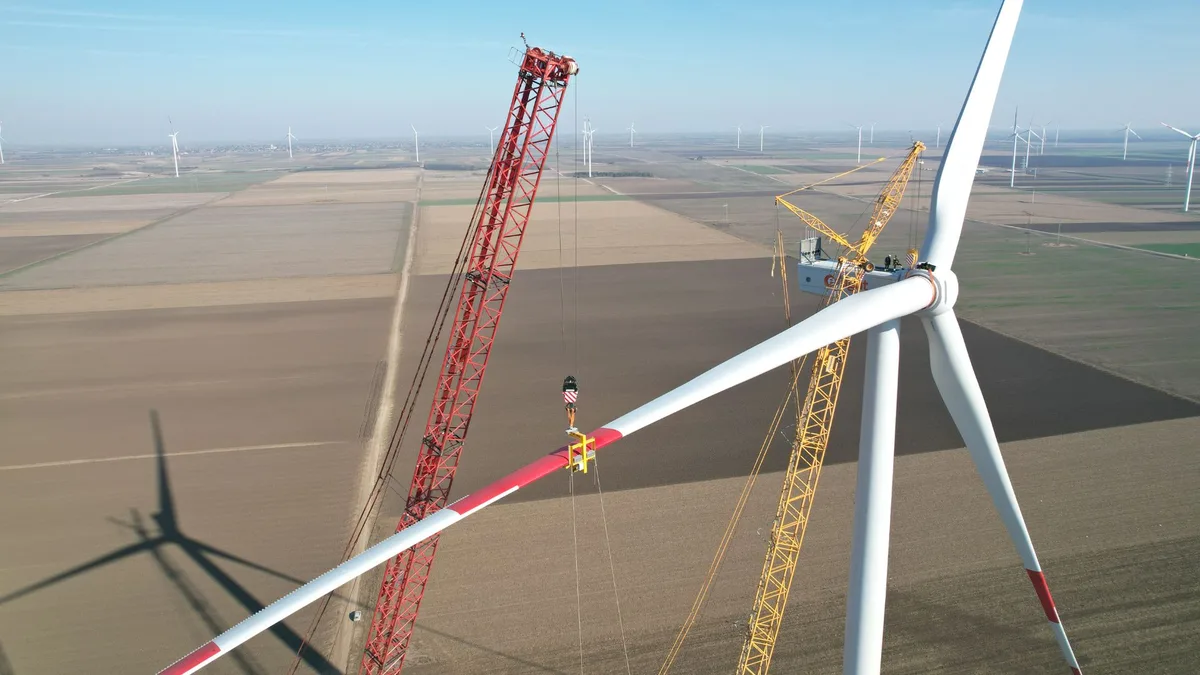
Mohamed Jamil Al Ramahi, chief executive of Masdar, recalled that two years ago, at the same conference, the financial close of the Cibuk 2 project was announced, and that the wind farm was only officially put into operation yesterday. “Today we have 300 MW of operating capacity in the Cibuk 1 and Cibuk 2 wind farms,” Al Ramahi said, according to Energetski portal. He said Serbia and the Western Balkans represent a central point for Masdar’s future in Europe, and that the company is ready to invest additional capital in the region, provided policy stays consistent and grids and interconnections, both in the country and the region, grow stronger.
Global supply is growing faster than the domestic grid
The minister also pointed the gathering to global figures: nearly 700 gigawatts of new renewable capacity was built worldwide last year, more than 500 gigawatts of it solar, while total global capacity grew from 2 to 5 terawatts over the past decade, with a target of 11 terawatts by 2030. Global electricity consumption, she said, is growing 3.6 percent this year, faster than new supply in Serbia is currently reaching the grid, which is the core reason behind the delayed deadlines announced at the conference.