G7 releases up to 100M barrels, Brent falls to $101.61
The decision came on October 2 after a meeting chaired by Emmanuel Macron, and Donald Trump was first to announce Europe's diesel deal, on Truth Social.
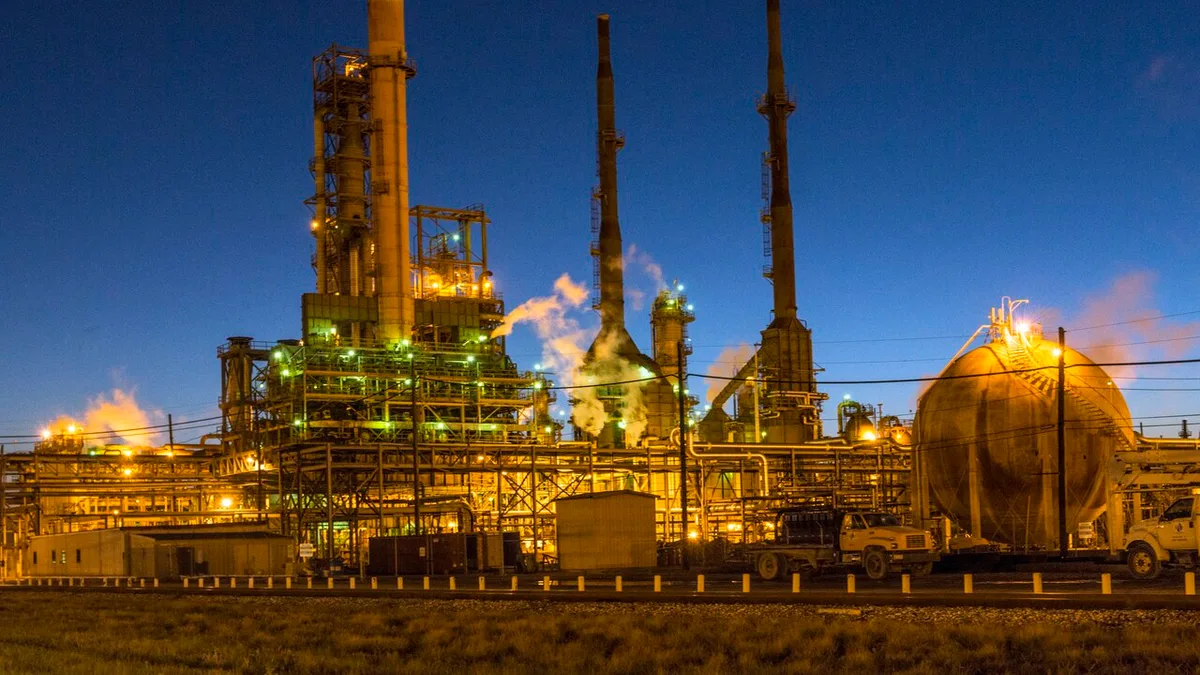
Brent crude fell to $101.61 a barrel and US benchmark WTI to $92.02, after G7 members decided to release up to 100 million barrels of oil and fuel from strategic reserves. Trading Economics reported the price moves, which came as soon as the group announced it was tapping its stockpiles.
According to the G7 statement issued after a meeting chaired by French President Emmanuel Macron, the release would run through the International Energy Agency (IEA) over the next four months. Macron also said the aim of the initiative is to bring prices down, following pressure from the administration of US President Donald Trump to respond to the tightening in the fuel market.
What exactly is the G7 putting on the market?
The figure of 100 million barrels is a ceiling, not a fixed volume: the G7 statement says “up to” that amount. The emphasis is on diesel. The group’s statement says the package includes:
a frontloaded substantial diesel release within the first 20 days by G7 members and partners
In other words, a large volume of diesel is meant to reach the market within the first 20 days. IEA members will meet in the coming days to consider releasing more diesel if needed.
Trump announced it first
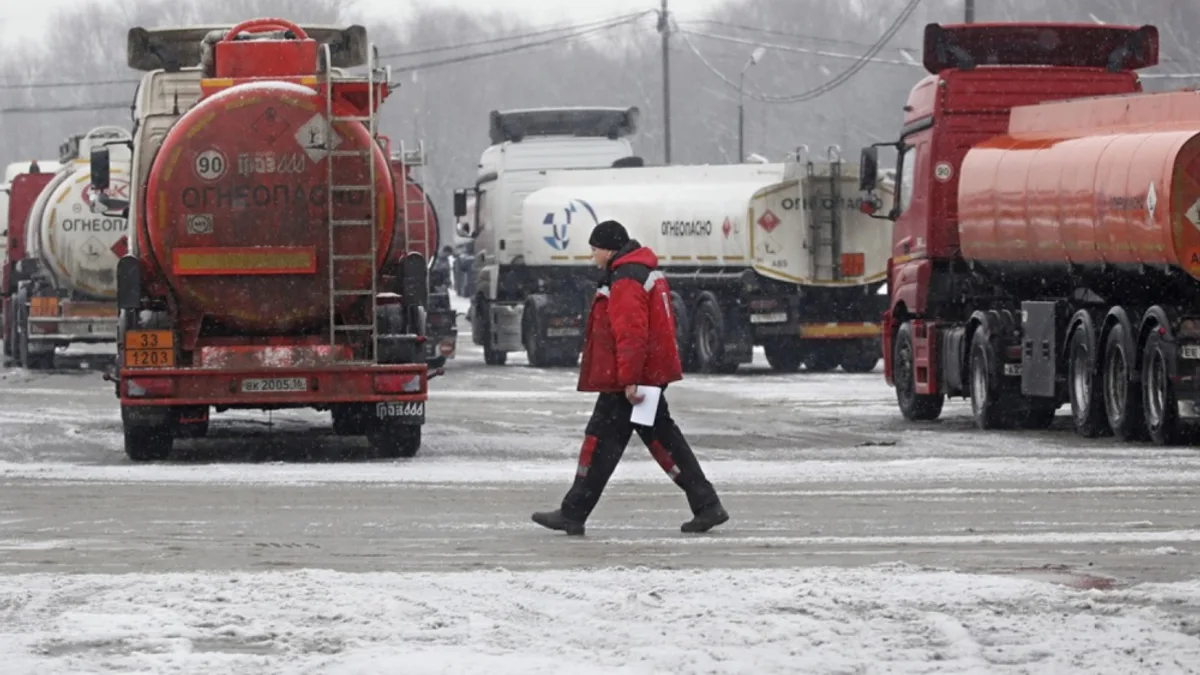
The decision came just moments after a Truth Social post by Donald Trump saying Europe had agreed to release diesel from its stocks. The US president wrote that Europe had:
just agreed to release a massive amount of their heavily stocked Diesel Oil
Washington has spent recent days pressing European countries, mainly Germany and France, to open their diesel reserves. Trump had earlier floated a possible ban on US diesel exports if Europe did not give way, and the European Union said on Friday that it rejected that threat outright.
Why is diesel at the center?
The average price of a gallon of diesel in the US was $6.37 on Friday, according to the American Automobile Association (AAA). The record of $6.52 was set on September 22. US diesel stocks fell to a record low of 107.9 million barrels on September 11, 2026. Diesel underpins transport, construction and farming, and rising prices hurt the Trump administration and the Republican Party ahead of the November US elections.
On the European side, Eurostat data from June 2026 shows that European Union countries together with the United Kingdom hold about 52 million tonnes of oil, gas and diesel, of which almost 38 million tonnes are emergency reserves of EU member states. Union rules require members to keep emergency oil stocks covering at least 90 days of net imports or 61 days of domestic consumption, whichever is higher.
Earlier releases are still not complete
This is not the first such move this year. In March, 32 IEA members agreed to release 400 million barrels of oil from emergency reserves, and officials say that release has still not been fully carried out.
Prices are under pressure from the war with Iran, which the US and Israel launched on February 28. Crude exports from the Middle East have returned to nearly prewar levels, but attacks on tankers in the Strait of Hormuz and uncertainty over US-Iran negotiations continue to weigh on supply. The US has meanwhile reinforced air defenses around energy facilities in Saudi Arabia and Qatar.