Pellet Costs 48,000 Dinars a Ton in Novi Sad, Wood 11,500
Pellet prices this season are up to 50 percent higher than last year, and sellers estimate demand is 30 to 40 percent greater. Professor Branko Glavonjic urges patience.
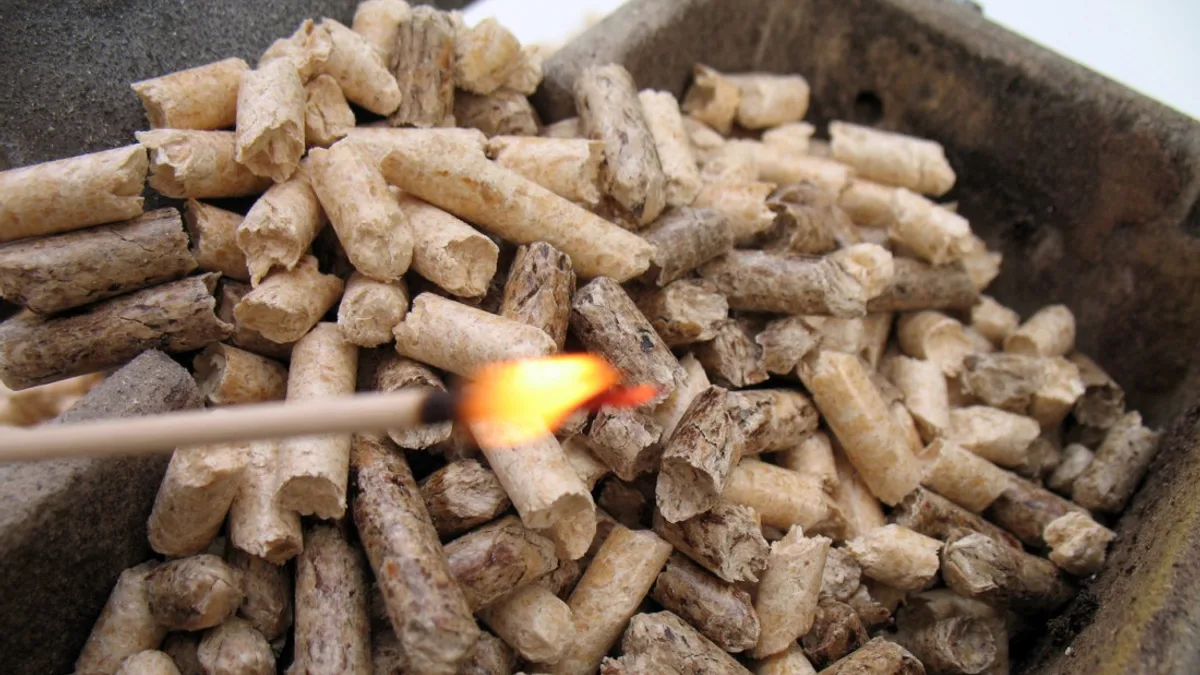
At one yard in Belgrade, a ton of pellets currently costs 46,200 dinars, while in Novi Sad it has reached about 48,000 dinars, sellers told the Tanjug news agency ahead of the heating season. Nationwide, A2 class pellets sell for 42,000 to 48,000 dinars a ton, while firewood, coal and briquettes vary from city to city.
How much do firewood, coal and pellets cost in each city?
In Novi Sad, a meter of firewood at the yards costs about 11,500 dinars. Coal sells for 19,000 to 24,000 dinars, depending on type and quality, briquettes cost about 40,000 dinars, and pellets about 48,000 dinars a ton. Beech is the most sought-after wood, making up 60 to 70 percent of firewood sales. Most buyers take wood that is already cut and split, and at some yards that service costs an extra 500 dinars or so.
In Cacak, a meter of firewood is about 9,000 dinars, and about 10,000 dinars when cut, split and delivered to the door. Lump coal costs 18,000 dinars and cube coal 18,500 dinars, while a ton of pellets at one yard is 43,800 dinars. Traders say the price of coal has not changed in three years, and delivery of wood takes 20 to 25 days. Oak is in greater demand than beech.
At one yard near Uzice, a ton of pellets is about 46,000 dinars, and sellers say supplies, mostly imported, are expected to continue. The price is up to 50 percent higher than last year, RTS reports.
Is there enough pellet to go around?
Sellers say supply is steady but demand is high. By their estimates, demand for pellets is up about 30 to 40 percent this year. In Novi Sad there is pellet available, but supply is tighter than demand.
Branko Glavonjic, a professor at the Faculty of Forestry in Belgrade, says about 80 percent of yards have enough pellets. At roughly 20 percent of retail outlets, supply is patchy because they work from delivery to delivery. Domestic production covers 90 to 92 percent of consumption, and imports account for less than 10 percent. He blames the price increase on buyers starting in July and August instead of October, November and December. According to him, demand is now falling, which has helped steady prices.
Close to 200,000 households heat with pellets, up from about 160,000 three years ago. Glavonjic expects more than 200,000 this season.
What does Professor Glavonjic advise?
Glavonjic said consumers’ complaints about prices are justified, but that talks between state officials and producers and traders have produced results so far, because they assured officials there would be no new increase. At a meeting at the Serbian Chamber of Commerce, producers and traders were urged not to raise prices further. He also recalled that in 2022 the price of pellets was capped at 38,000 dinars a ton, but that in his assessment the measure did not deliver the expected long-term results.
His message to consumers:
“Just be patient, don’t rush, don’t pay for pellets at such high prices”
On where the product comes from, he said:
“My recommendation to consumers is to definitely ask traders whether the pellets they are buying are certified or not.”
Uncertified pellets, he explained, can have quality problems and cause trouble when burned in stoves and boilers. The market inspectorate is responsible, in his words, for removing them from sale. On supply, he said:
“There will be pellets, whether domestic or imported, a lot more, of course, domestic”
Is pellet heating now more expensive than electricity?
Glavonjic cites an overview by the Energy Agency showing that heating with pellets is, for the first time this year, more expensive than heating with electricity, specifically when using stoves that are loaded overnight. He added that demand for pellets could also shift if electricity prices rise.
On district heating, the Cacak heating utility has proposed that the price of district heating be four percent lower. The company’s director, Mirjana Djokovic, said that for a 50 square meter apartment the average monthly bill is 10,000 to 13,000 dinars, depending on winter temperatures, and that a possible rise in the price of gas could affect the final cost of heating.