Serbia Budget Deficit Hits 98.4 Billion Dinars in 8 Months
The plan for January-August called for a shortfall of 176.4 billion dinars. Public debt rose to 41.93 billion euros at the end of August, or 43.3% of GDP.
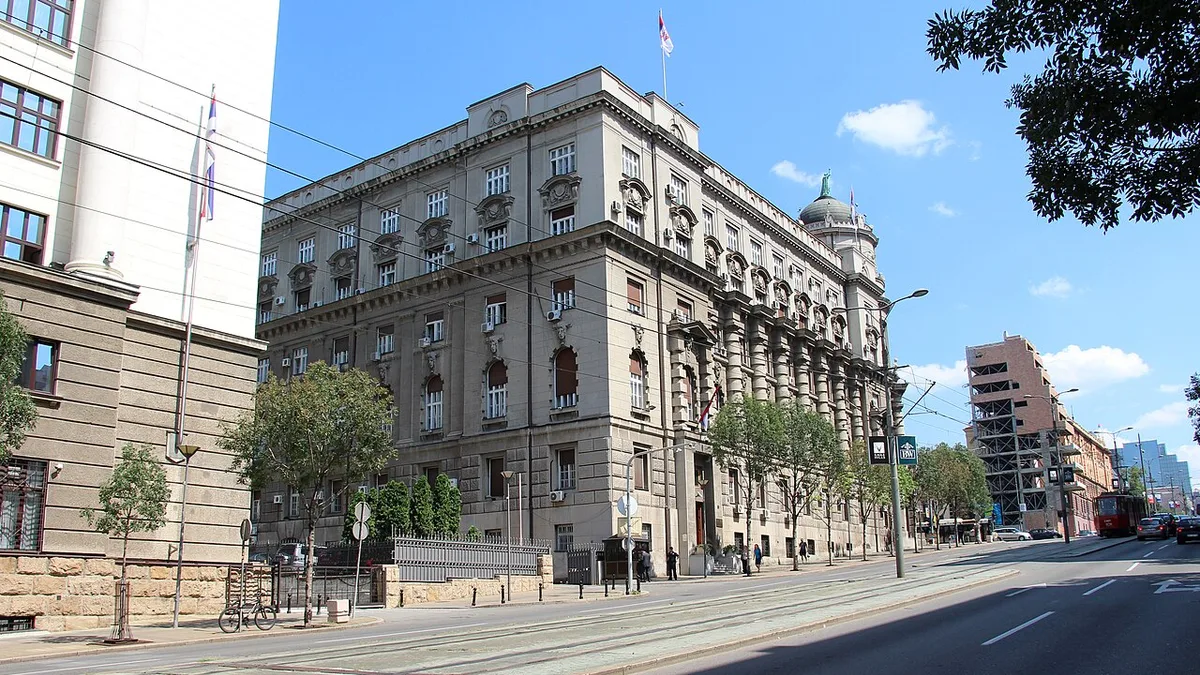
Serbia’s republic budget ran a deficit of 98.4 billion dinars in January-August 2026, the Finance Ministry announced today. The plan for the same period called for a deficit of 176.4 billion dinars, so the actual result came in 78 billion dinars better than budgeted.
What August Shows
August itself ended almost at zero: the deficit was 600 million dinars. Revenues came in at 195.8 billion dinars, while expenditures totaled 196.4 billion.
Tax revenue in August was 142.3 billion dinars, and its largest components were:
- VAT: 78.2 billion dinars
- excise duties: 26.9 billion dinars
- corporate profit tax: 18.3 billion dinars
Non-tax revenue was 52.5 billion dinars, and donations brought in about one billion dinars.
On the spending side, according to Finance Ministry data, the largest items were:
- public sector wages: 54.5 billion dinars
- transfers to compulsory social insurance organizations (the PIO pension fund, RFZO health fund, NSZ employment service, SOVO fund): 34.4 billion dinars
- capital expenditure: 33.9 billion dinars
- social protection: 19.4 billion dinars
- goods and services: 16.4 billion dinars
- subsidies: 14.2 billion dinars
The General Government and Public Debt
For the general government sector, the fiscal deficit over eight months stands at 109.3 billion dinars. The primary fiscal surplus, meaning the balance excluding interest costs, is six billion dinars.
The Ministry released debt figures the same day. Serbia’s public debt at the end of August was 41.93 billion euros, or 43.3% of gross domestic product. At the end of July it was 41.82 billion euros, or 43.2% of GDP, so it grew by about 110 million euros in a month.
Compared with the end of last year, the nominal and relative trends point in different directions. At the end of 2025, public debt was 39.34 billion euros, or 43.7% of GDP. Since the start of the year, debt has risen by about 2.59 billion euros, while its share of GDP has fallen by 0.4 percentage points.
The figures cover budget execution through the end of August, which leaves four months until year-end, and results for those months will be measured against the same plan.