NBS holds key rate at 5.75%, inflation heading to 4%
The Executive Board of the National Bank of Serbia kept the key policy rate at 5.75% and expects year-on-year inflation of around 4% from September. The next decision is due November 12.
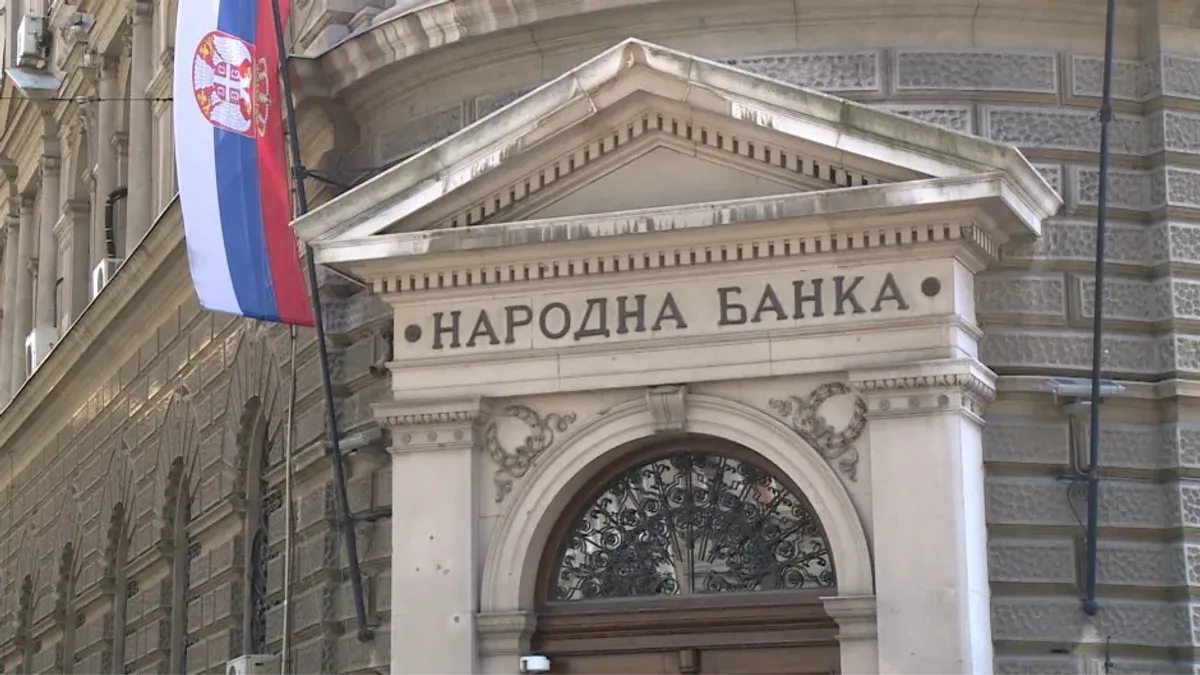
The key policy rate of the National Bank of Serbia (NBS) stays at 5.75%. The NBS Executive Board decided at its October 8, 2026 meeting to leave it unchanged, and published new projections along with the decision: year-on-year inflation should run at around 4% from September, almost double the 2.2% recorded in August.
Both rates that form the corridor around the key rate are also unchanged: the deposit facility rate is 4.5% and the lending facility rate is 7.0%. The previous meeting at which the rate was held was on September 10, 2026. According to Biznis.rs, the NBS has not moved the key rate since September 2024.
Why does the NBS expect inflation of 4%?
Year-on-year inflation edged up in August, to 2.2% from 1.9% in July. The NBS blames the continuing energy shock and higher global oil prices. Natural gas and electricity prices have also risen again since the summer, while on the domestic oil products market the effect was softened by lower excise duties and the use of energy reserves.
The jump to around 4% also has a statistical explanation. The Executive Board points to a low base from last year, when a decree capping retail margins was in force: prices were held down then, so the same price level now counts as a larger increase.
The NBS’s August medium-term projection had inflation staying within the target band over the next two years. The Executive Board now judges that the risks lean to the upside, because the energy shock is lasting longer and prices of other primary commodities are rising faster than expected.
For Serbia, as a small and open economy that depends heavily on energy imports, it is necessary to keep monitoring these risks carefully.
That is how the statement issued on behalf of the NBS Executive Board put it, along with a warning that a prolonged conflict in the Middle East or sharper geopolitical tensions could spill over into production and transport costs, supply chains and capital flows.
What does the NBS say it will do if energy prices keep rising?
The bank says it will base its decisions on incoming data and their effect on inflation. If it concludes that higher global energy prices are having more pronounced second-round effects on other prices through inflation expectations, the NBS will, as it put it, respond with all available instruments. At the same time it continues a cautious monetary policy while keeping the exchange rate relatively stable.
Ljubodrag Savic, a professor at the University of Belgrade’s Faculty of Economics, expected this outcome. Ahead of the Executive Board meeting he said:
I truly expect that the National Bank will once again be conservatively cautious and will not change the key policy rate.
How is economic growth holding up?
Economic activity in the first half of 2026 was 3.5% higher than in the same period of 2025. Services still make the largest contribution, alongside growth in private consumption, and growth was also recorded in manufacturing, mining, construction and agriculture. Data for July and August show that services remain the strongest support in the third quarter, while industrial output is being hit by drought and low water levels.
The Executive Board expects economic growth of at least 3.2% in 2026 and around 4.5% in 2027. The main driver should be domestic demand, with consumption and investment supported by rising disposable income and by continued infrastructure projects under the “Leap into the Future - Serbia Expo 2027” program.
The statement does not say how the decision affects dinar loan installments or savings interest rates. The next Executive Board meeting at which the key policy rate will be decided is scheduled for November 12, 2026.