

Lukoil: OFAC license to April 24, 112 stations in Serbia
The US Office of Foreign Assets Control has extended Lukoil's license for transactions outside Russia, and new decisions on licenses for NIS and MOL are expected on October 30.
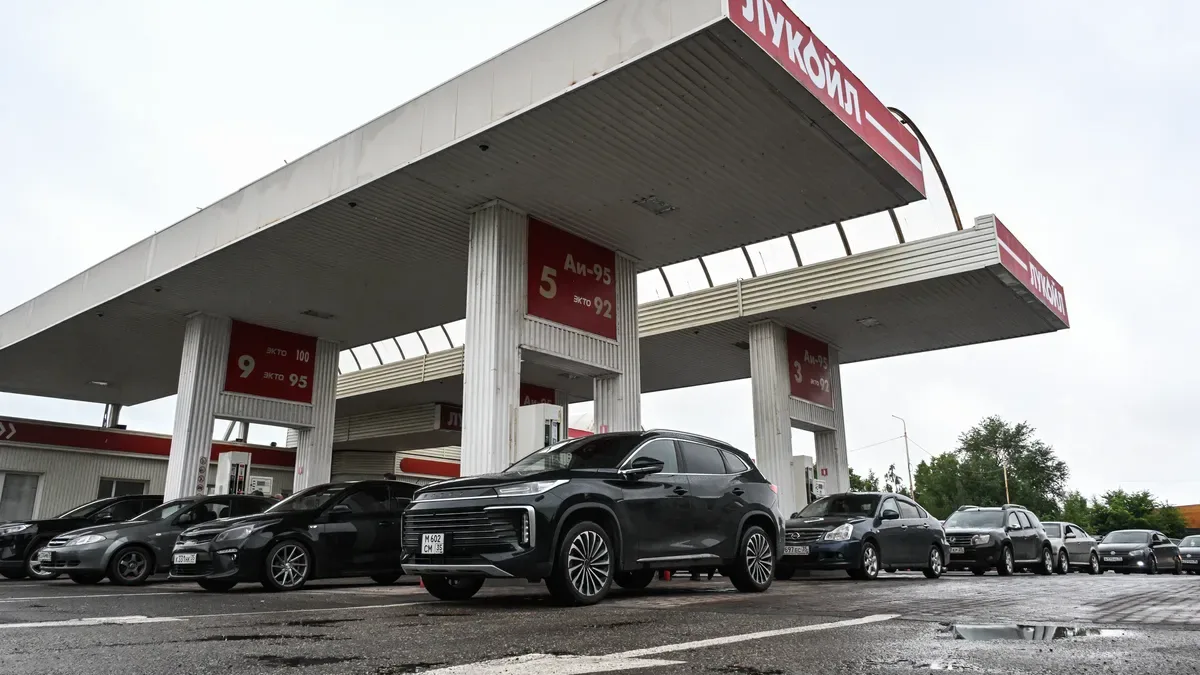
Lukoil can carry out certain transactions involving foreign assets until April 24, 2027, despite US sanctions. The Office of Foreign Assets Control (OFAC) at the US Treasury Department has extended a license that had been valid until October 29, 2026. The deadline moves by a little under six months, according to reports from Reuters and Tass.
What does the Lukoil license cover?
The license permits the purchase of goods and services at Lukoil facilities outside Russia. The decision states explicitly that this includes the Russian corporation’s subsidiaries in the Western Hemisphere.
For its Bulgarian operations, OFAC issued a separate general license, also valid until April 24, 2027. It covers four companies:
- Lukoil Neftohim Burgas AD
- Lukoil Bulgaria EOOD
- Lukoil Aviation Bulgaria EOOD
- Lukoil Bunker EOOD
The sanctions these licenses relate to were imposed in October 2025, when the US Treasury added Lukoil and Rosneft, along with their 34 subsidiaries, to a new package of measures.
What does this mean for Serbia?
Lukoil has 112 gas stations and two depots in Serbia, according to Ruzica Vrankovic, a journalist at RTS, who spoke on the broadcaster’s Morning Program. She singled out the six-month extension as a positive example and said it matters for Serbia too.
The Petroleum Industry of Serbia (NIS) is covered by separate licenses. NIS holds an operating license, MOL holds a license to negotiate the purchase of a majority stake in NIS, and Janaf holds a license to deliver crude oil to Serbia, specifically to the Pancevo refinery. The NIS and MOL licenses are valid until October 30, when new decisions are expected.
Vrankovic said MOL does not want to comment on its negotiations with Gazprom Neft over the ownership stake in NIS. According to her, the Hungarian company has only said that the negotiating process continues in line with the license issued by OFAC. She says there is no official information on the outcome:
“In public we can hear all sorts of information, from the talks having collapsed to them having been concluded, but we have no official information until OFAC speaks.”
Vrankovic also said that “nothing can happen until OFAC approves.” Serbian President Aleksandar Vucic said earlier that talks with the Americans about NIS are not ruled out.
Oil and diesel prices
Vrankovic said the price of crude ranged between $104 and $107 a barrel this week and stood at around $105 this morning. The diesel shortage, she says, is most pronounced on the European market, and prices are not falling.
Sinisa Malus, a journalist at the Croatian outlet Poslovni dnevnik who analyzes the oil market, warned that high diesel prices could last:
“We can expect high diesel prices, unfortunately, until at least the middle of next year, and probably longer.”
In his assessment, any shortages would hit countries without their own refineries hardest, while Serbia and Croatia are in a somewhat better position. Vrankovic added that the International Energy Agency has also forecast that the diesel crisis could last until the middle of next year, and that demand in the region has risen because of autumn farm work and preparations for winter.
For the domestic market the assessment is calmer:
“The Serbian market, it must be said, is well supplied. We have had no problems, and the state has released reserves too.”
The next date to watch is October 30, when OFAC decisions on the NIS and MOL licenses are expected.


