Brent hits $109.86 a barrel, highest since May 19
Brent futures rose 3.7% and US WTI 3.5%, while WTI is up 10.4% since the start of the week. The two sources cite different figures.
The price of Brent crude reached $109.86 a barrel, the highest level since May 19, according to Reuters data published by the daily Danas. Brent futures gained $3.94, or 3.7%. US crude WTI rose $3.44 (3.5%) and closed trading at $101.41 a barrel.
How much has oil risen since the start of the week?
Since the start of the week Brent is up 4.9% and WTI 10.4%, Danas reports, citing Reuters. The source does not explain the gap in the weekly gains of the two grades, so it is passed on here as published.
The market, according to the same source, is still assessing how much diesel Russia can deliver to world markets. Along with tensions in the Middle East, that is a second source of uncertainty over supply.
Why do the sources report different figures?
The two sources behind this article do not give the same price level. Novosti, citing Trading Economics, says in its headline that Brent has topped $103, and puts WTI at around $98. According to that report, WTI’s gain since the start of the week is more than 6%.
- Danas, citing Reuters: Brent $109.86, WTI $101.41, weekly gains of 4.9% and 10.4%
- Novosti, citing Trading Economics: Brent above $103, WTI around $98, WTI weekly gain above 6%
Neither article states the time of measurement, so the difference cannot be pinned on a single cause. The $109.86 level is a figure carried by Reuters. An official Brent closing price cannot be confirmed from these two reports.
What is pushing prices up?
The research and consulting firm Energy Aspects names renewed fears of escalation as the cause of the rise in its report:
“Oil prices are rising because fears of escalation have returned, fueled by rumors of attacks on Saudi Arabia’s energy infrastructure.”
The firm adds that reports from Israel suggest Iran may be preparing a preemptive strike, after Western intelligence services registered unusual military movements. That information has not been confirmed. Energy Aspects expects persistent escalation risks to keep pushing oil higher.
Supply is also strained by more frequent attacks near the Strait of Hormuz over the past ten days. Iran has said it is stepping up the attacks in response to the US blockade of its ports and tougher sanctions imposed last month. Analysts at Kpler assess:
“The intensification of Iranian attacks has led to a significant drop in the volume of oil shipments from the Persian Gulf.”
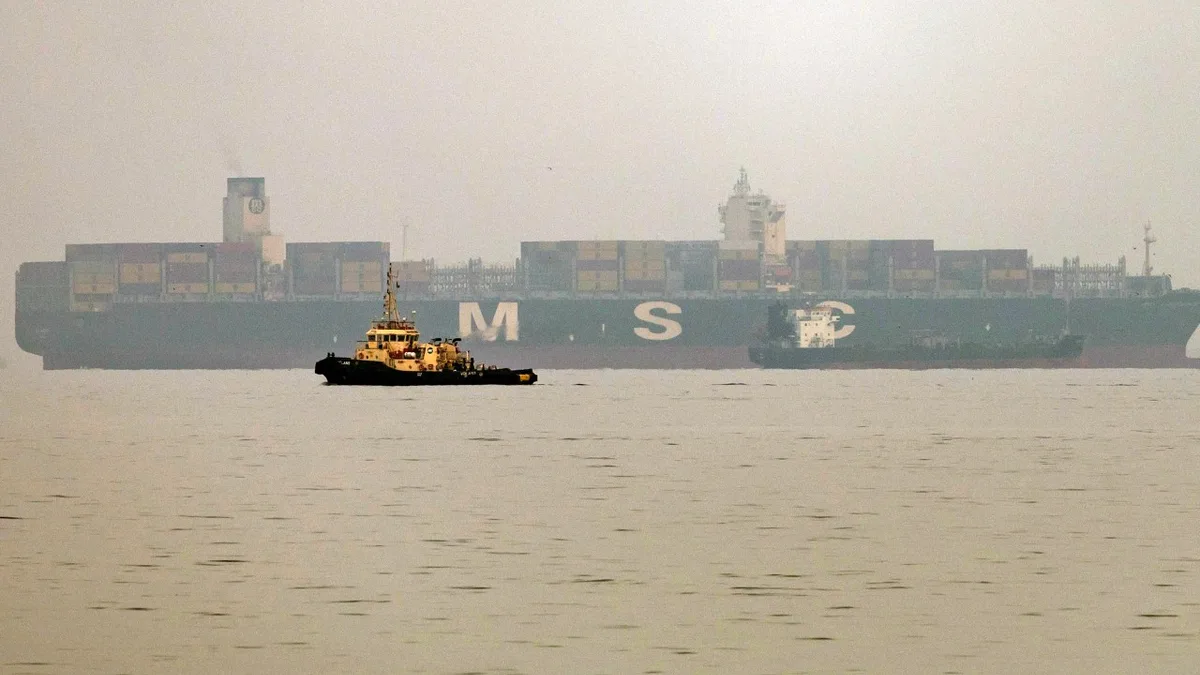
Novosti, referring to US Central Command, writes that the Singapore-flagged container ship GFS Pride sank while under tow toward the coast, after being hit by an Iranian missile in the Strait of Hormuz. Central Command confirmed this.
What is working in the other direction?
Traffic through the strait has not stopped: more than 40 vessels passed in 24 hours, which points to maritime traffic partly continuing.
Members of the International Energy Agency (IEA) have committed, after pressure from US officials, to release the remaining 100 million barrels from the emergency intervention launched in March. Media outlets also reported that Washington is weighing an easing of sanctions on certain ships carrying oil from Iran, Russia or Venezuela.
Kpler does not expect a quick recovery for now. Without a comprehensive political agreement, its analysts say, oil flows through Hormuz will recover more slowly and unevenly.