Germany Halves Quota for Western Balkan Workers to 25,000
Berlin is cutting the annual quota for easier access to its labor market from 50,000 to 25,000 people from 2027. Seven states and employers oppose the move.
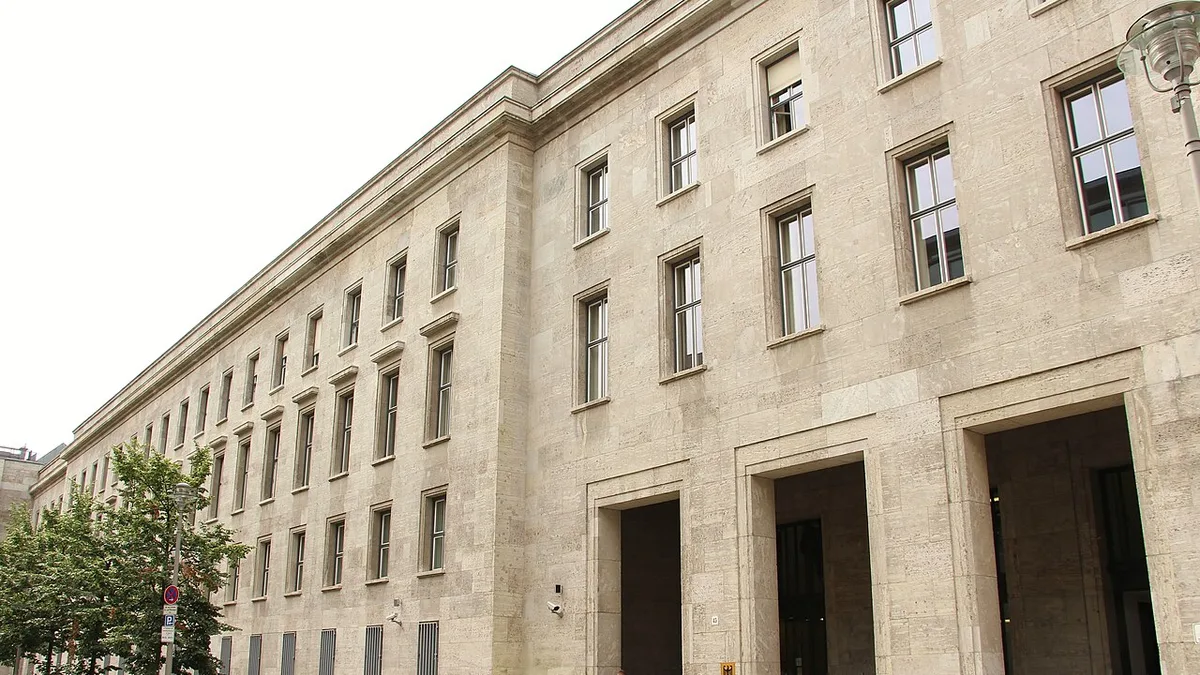
The German federal government has adopted a regulation that cuts the annual quota of Western Balkan workers with easier access to the German labor market from 50,000 to 25,000 people. The cut takes effect at the start of 2027, and the cabinet approved the regulation at its meeting on Wednesday, November 4.
Is the regulation final?
No. A majority in the upper house of the German parliament, where the federal states are represented, still has to confirm it. That is where resistance is strongest, because seven states oppose the decision, among them Bavaria, North Rhine-Westphalia, Lower Saxony and Hesse.
Who else opposes the lower quota?
Criticism also comes from industry associations that depend on foreign labor. The loudest are those from construction, hospitality and logistics, along with the umbrella groups for carers of the sick and elderly.
The Confederation of German Employers’ Associations (BDA) criticized the Labor Ministry’s proposal back when it was still a draft. It wants the cap abolished altogether rather than halved. BDA warns that from January 1, 2027, a large number of applications will have to be rejected, leaving many jobs unfilled. The Federal Employment Agency has also called the government’s plan a wrong step.
What do the figures on Western Balkan workers show?
In October the Agency reported that more than one million people from the Western Balkans are employed in Germany and pay full social contributions. By the same figures, 53% of them work as skilled or highly skilled labor, and half hold jobs for which the German labor market does not have enough people.
Those figures are also the basis of the employers’ criticism: a halved quota hits the channel that, according to the Agency, fills exactly the occupations facing shortages.
Why is the government cutting the quota?
The cut was agreed in the post-election coalition agreement between the Christian Democrats and Christian Socialists (CDU and CSU) and the Social Democrats (SPD). The initiative came from the conservative CDU. The stated reasoning is that vacancies in Germany should instead be filled by unemployed people who already live there.
For comparison, a quota of 25,000 places a year is less than 2.5% of the more than one million employed people from the region that the Agency counted in October. The two numbers do not measure the same thing, since the quota is an annual limit and the Agency’s figure is a total headcount, so the comparison gives only an order of magnitude.
Until the upper house votes, there is no certainty that the quota will really fall to 25,000. If the regulation passes, employers and candidates from the region will have half as many places in the easier procedure from January 1, 2027.