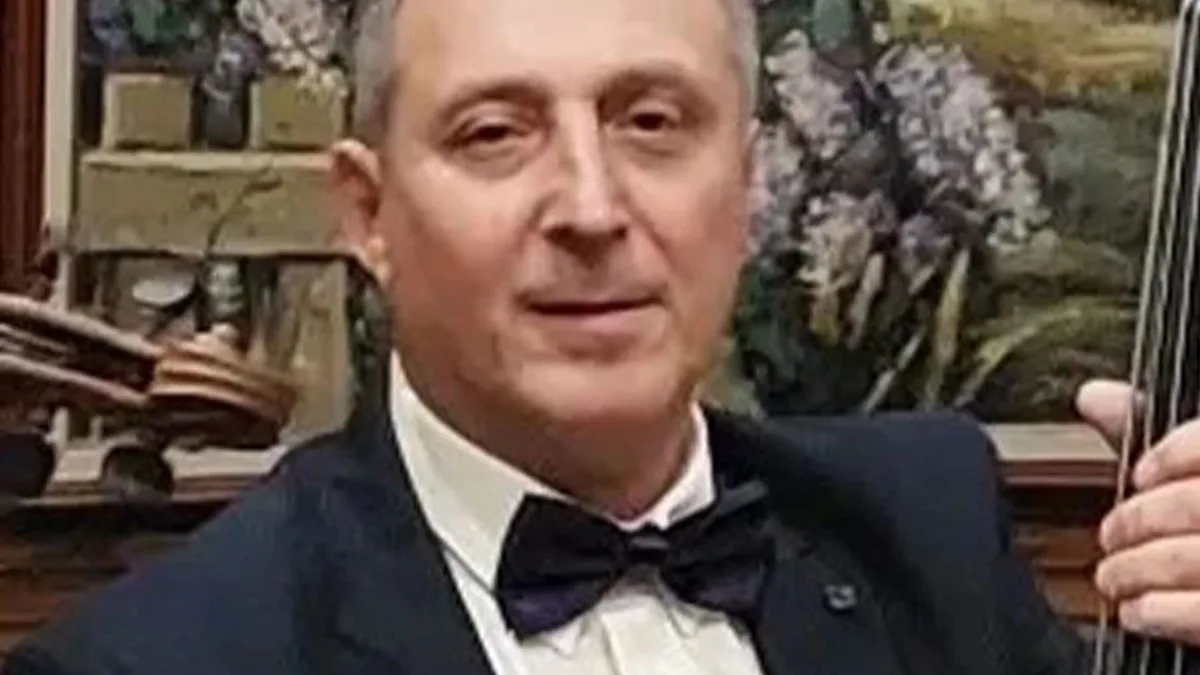
Miso Hrnjak, Original Azra Bassist, Dies
The bassist who played on Azra's first three albums and on the live Ravno do dna left the band in 1982. Sources disagree on how old he was.
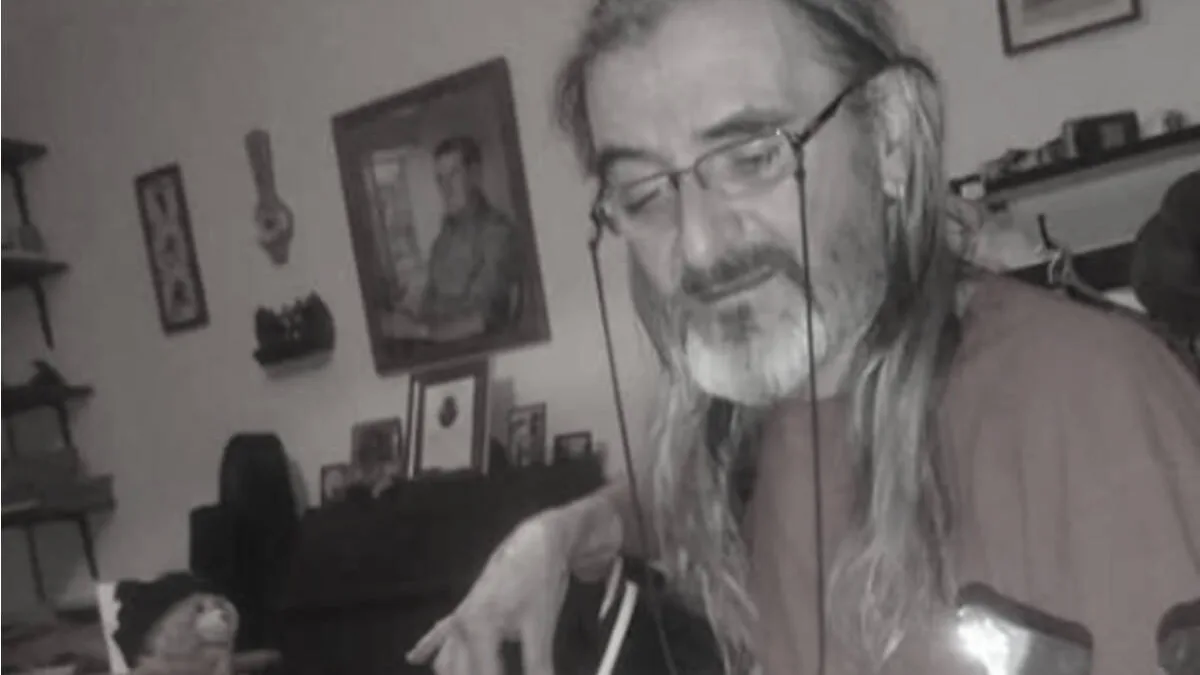
Miso Hrnjak, bassist of the best-known lineup of the band Azra, has died. The music portal Ravno do dna reported the news on October 31, 2026. The cause and place of death have not been made public.
Hrnjak played alongside Branimir Djoni Stulic and Boris Leiner in the trio associated with the peak of Yugoslav new wave. The Croatian outlet tportal notes that singer Miso Kovac died the same day.
How old was Miso Hrnjak?
Sources disagree. Citing Ravno do dna, tportal says he died in his 67th year. Mondo, citing Blic, says he was 76. The gap is nine years, and neither outlet explains where it comes from.
How did he join Azra?
He joined the band in 1979 and played with it for about three and a half years. Mondo reports that Stulic called him to his apartment because he urgently needed a bassist for a gig, and that Hrnjak stayed on and, with Leiner, formed a rhythm section that played more than 50 songs a night at concerts.
He recorded the band’s first three studio albums:
- Azra (1980)
- Suncana strana ulice (1981)
- Filigranski plocnici (1982)
He also played on the triple live album Ravno do dna, which gave its name to the portal that announced his death.
Why did he leave in 1982?
He left in 1982, when Azra was at the height of its popularity, to serve his compulsory military service. Mondo writes that he served in Surdulica and Leskovac. Tportal adds that the departure was also tied to his decision to step away from music as a profession. He did not return to the band after the army.
In a 2015 interview with Al Jazeera Balkans, he recalled that he and Leiner going into the army effectively ended the original lineup.
Life after Azra
He traveled widely across Europe and lived for a long stretch in Hungary. There he met his wife Ursula, with whom he has five children, and worked making custom furniture. Mondo reports that he did not play bass guitar for two decades. For years he lived far from the public eye.
He later reunited with Leiner, and the two performed together as Leiner & Hrnjak. They recorded the album Visa sila, which Mondo says came out in 2010.
In 2015 he published an autobiography, “Heart of Gold: Stories, but Not Quite for Children.” In it he wrote about growing up, his years in Azra, his relationship with Stulic and his life after the band. In an interview with Nacional at the time, he explained that the Azra period was very intense, but only one part of his life.