Belgrade Philharmonic Union Demands Bojan Sudjic Resign
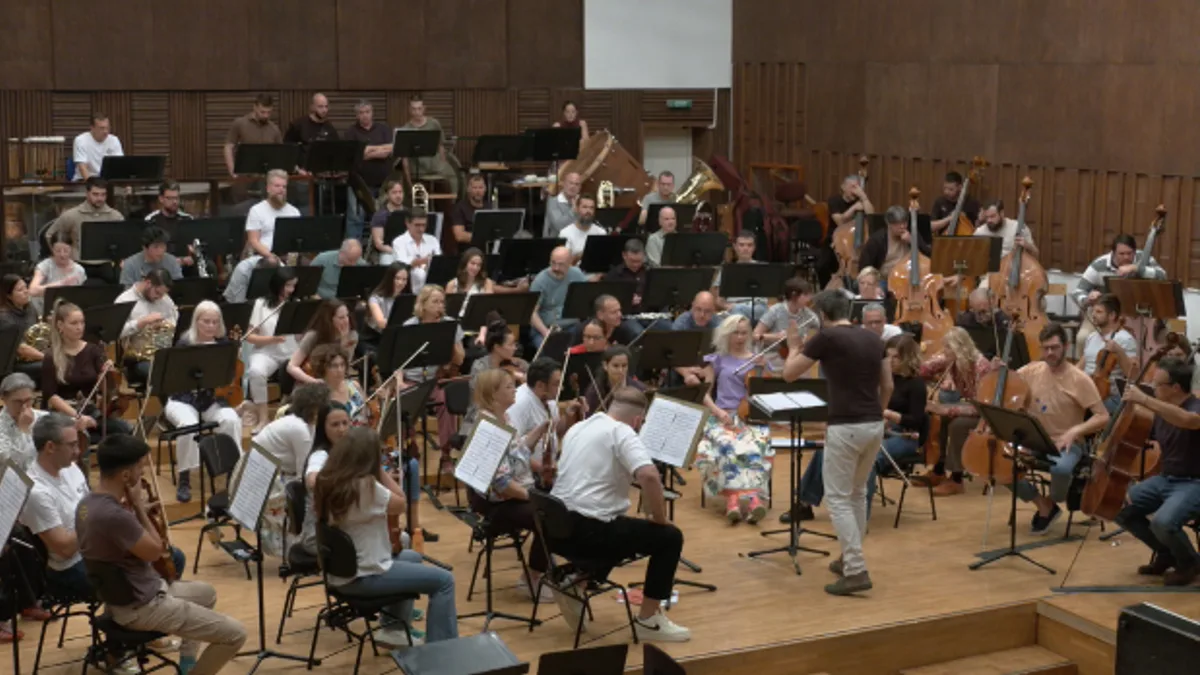
The Belgrade Philharmonic musicians' union wants the acting director and the entire Board to step down, ten months after an appointment made without a public competition.
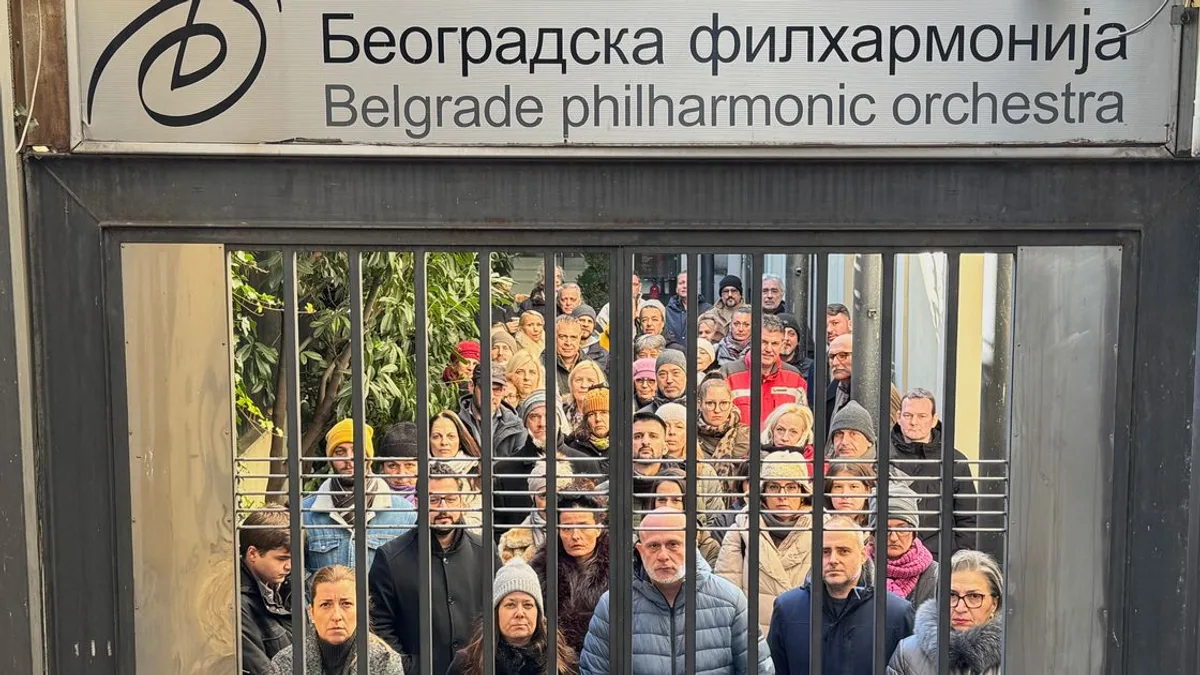
In late January, when the Government of Serbia issued a decision naming Bojan Sudjic acting director of the Belgrade Philharmonic, 102 employees signed letters to President Aleksandar Vucic and Prime Minister Djuro Macut asking that Sudjic not accept the post. According to the weekly Vreme, that is 89.5 percent of the ensemble. Ten months later, on November 2, 2026, the Union of Musical Artists of the Belgrade Philharmonic goes a step further and demands the resignation of Sudjic himself.
What does the union demand from Sudjic and the Board?
The statement is signed by the union as a whole, with no individual names. There are three demands:
- the resignation of Bojan Sudjic as acting director
- the resignation of the entire Board of Directors
- a public competition for director, announced as soon as possible
According to the portal Nova, the Board consists of chairman Vladimir Vuletic, Ana Stefanovic, Aleksandar Serdar and Aleksandar Radulovic, who represents the orchestra. Kurir, Nova and Telegraf published the statement that morning.
What does the union object to ten months after the appointment?
The union says Sudjic was installed by a political decision, without a public competition, ignoring the will of an ensemble that has spent three years asking for a transparent selection of its leadership. The statement says his ten months in office only confirmed the union’s earlier position:
“Ten months of Bojan Sudjic’s leadership have further confirmed that our positions at the time were justified. They have been marked by the introduction of unjustified controls, the curbing of employees’ professional autonomy and the creation of an unpredictable working environment, pressure and warnings about disciplinary measures that could even lead to dismissal, inconsistency and inefficient decision-making, obstruction of operations and delays in planning seasons. During his term there has been no clear, long-term strategy for the development of the Belgrade Philharmonic.”
That is a long list of management complaints, and what is missing from it is telling: the statement says nothing about repertoire, tours or artistic decisions. It deals only with how the institution is run, and who chooses its leaders and how. The union recalls that the Belgrade Philharmonic, thanks to all its employees, has built an international reputation as a first-class cultural institution, and closes with a message about the kind of leadership it considers fitting:
“It deserves leadership that will protect its professional integrity, not leadership based on political position, arbitrariness, pressure and a lack of long-term vision.”
Who has responded?
The Ministry of Culture is not mentioned in the statement at all, and at the time of publication we found no response from Sudjic, the Board or the ministry. For now, the demand has been made publicly with no addressee that has spoken.
As the statement’s last paragraph shows, the union is not asking only for one man to leave. It also wants the new director chosen by public competition, one “who will, with his professional, managerial and expert capacities, match the importance of this institution.” The way the director is chosen, rather than the name on the office door, is what the ensemble has treated as the central question for three years.