RFZO Checks Systems After Database Breach Claims
The fund says it is reviewing its systems and cannot yet confirm the claims. A forum post included a sample of 342,732 records with the names of chosen physicians.

Has the RFZO insurer database really been breached? Serbia’s National Health Insurance Fund (RFZO) says it cannot confirm that at this point, though it has already launched a review.
On August 18, 2026, the Fund announced it had taken preventive measures and was carrying out a detailed review of its information systems and data security, working with relevant institutions and expert services. The trigger was information that surfaced on certain internet forums about an alleged compromise of the Fund’s information system and insurer data.
In its statement, the Fund leaves open the question of how much of what was posted is accurate:
“At this time it is not possible to confirm the claims about the scope and content of any potential incident, nor the authenticity of the material being published online.”
In other words, the Fund isn’t saying a breach happened, but it isn’t saying it didn’t happen either. The review is ongoing.
What Was Posted on the Forum
On a forum dedicated to cybersecurity, a claim surfaced that an unidentified actor got in through an SQL injection flaw on a data verification page on the rfzo.rs website, and used it to reach the database.
The same person claims:
- that the database holds roughly 8 million records, and that after removing duplicates and cleaning the data, about 5 million valid records remain
- that no ransom was demanded, and that the data is instead being offered for sale to vetted buyers
- that the Fund itself was notified about the flaw
A sample was also posted as proof of access: an excerpt from a table labeled “statements,” containing 342,732 records, each one a declaration of a chosen physician.
None of this has been confirmed by the Fund so far, and that is exactly where the two accounts diverge. The forum post cites specific tables and numbers, while the Fund points to a review that has yet to establish what actually happened.
What Data Does the Sample Include?
According to what was posted, the sample’s columns show the insured person’s personal number, the unique master citizen number, the physician’s medical specialty, the name of the healthcare institution, and the full name of the chosen physician.
That’s not a combination you can reset like a password. A person’s unique master citizen number stays with them for life, and data on their chosen physician and that physician’s specialty also reveals where the insured person actually seeks care.
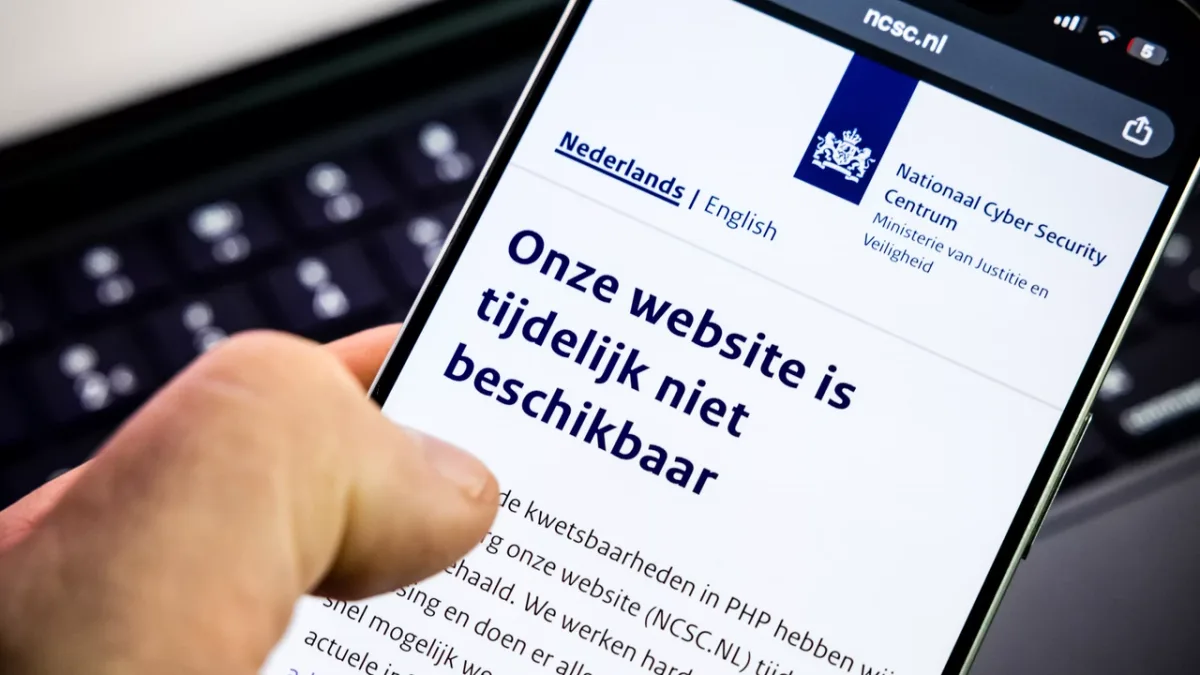
At the same time, the rfzo.rs website and the public procurement portal javnenabavke.rfzo.rs were both displaying messages saying they were temporarily unavailable.
Auditors Flagged This Back in 2024
This isn’t the first time the security of the Fund’s systems has come up. In a report published on February 9, 2024, the State Audit Institution found that RFZO had not fully established information security management, pointing to staff shortages, a failure to recognize IT risks, and gaps in data management.
Dusko Pejovic, president of the State Audit Institution, spelled out at the time exactly what the audit had turned up:
“Even without the electronic insurance card, the database can be accessed using just the unique master citizen number, which is unacceptable, since data security should be built in whenever a new system is introduced.”
The Fund received nine recommendations at the time. The longest deadline was set for the one requiring that access to personal data be granted only with the insured person physically present.
State auditor Radovan Ratkovic explained what was being asked of the Fund:
“A new approach needs to be designed, or the existing one redefined, and the remaining recommendations relate to improving IT security and more effective IT management.”
The Law on the State Audit Institution requires users of public funds to correct any irregularities that are identified. When that doesn’t happen, the auditor general can request that those responsible be removed from their posts.
What’s left now is the outcome of the review the Fund is carrying out with the relevant institutions. Until that review concludes, the only thing officially confirmed is that measures have been taken and that the authenticity of the published material has not been established.