Astrobiologists Doubt Life Was Found on K2-18b
A survey of astrobiologists, published in Nature Astronomy, found only 6.6 percent believe life was likely found on K2-18b, and 15.1 percent for the Martian rock Cheyava Falls.

Researchers at the University of Durham surveyed hundreds of astrobiologists around the world and put a single question to them: do they think extraterrestrial life has likely been found. The survey was carried out within days of two much publicized breakthroughs from 2025, a possible biosignature on the exoplanet K2-18b and a Martian rock with so called leopard spots. The results, published in Nature Astronomy under the identifier s41550-026-02876-9, show the field stayed far more cautious than the headlines that circulated in the media at the time.
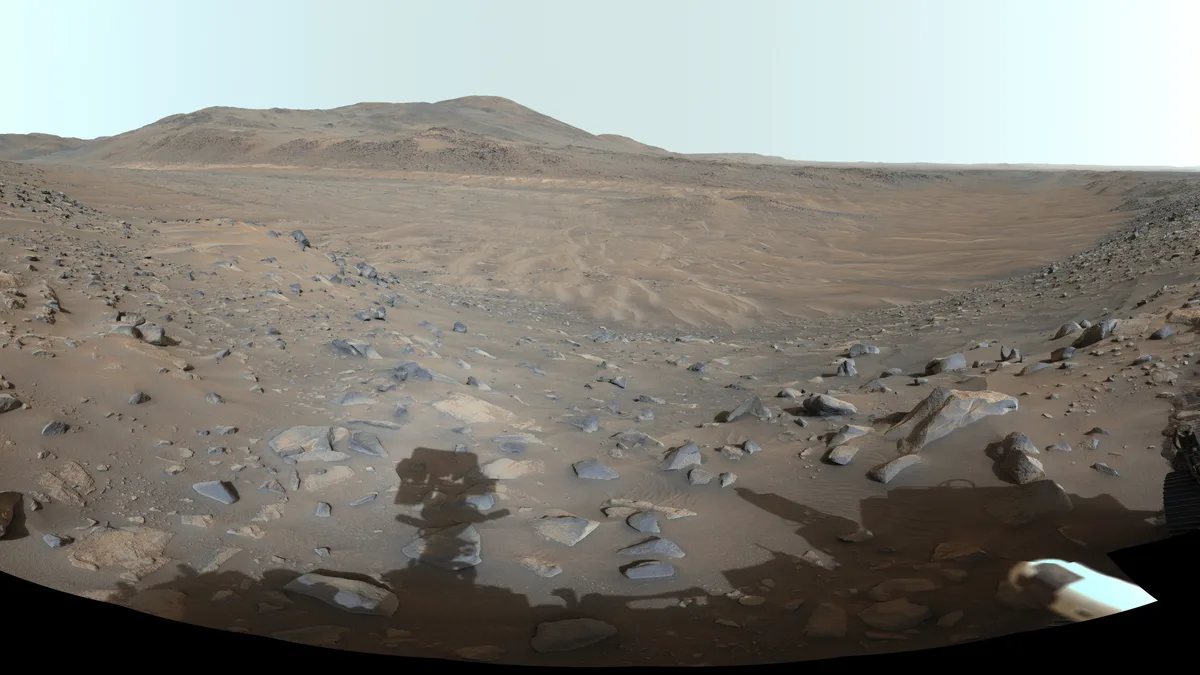
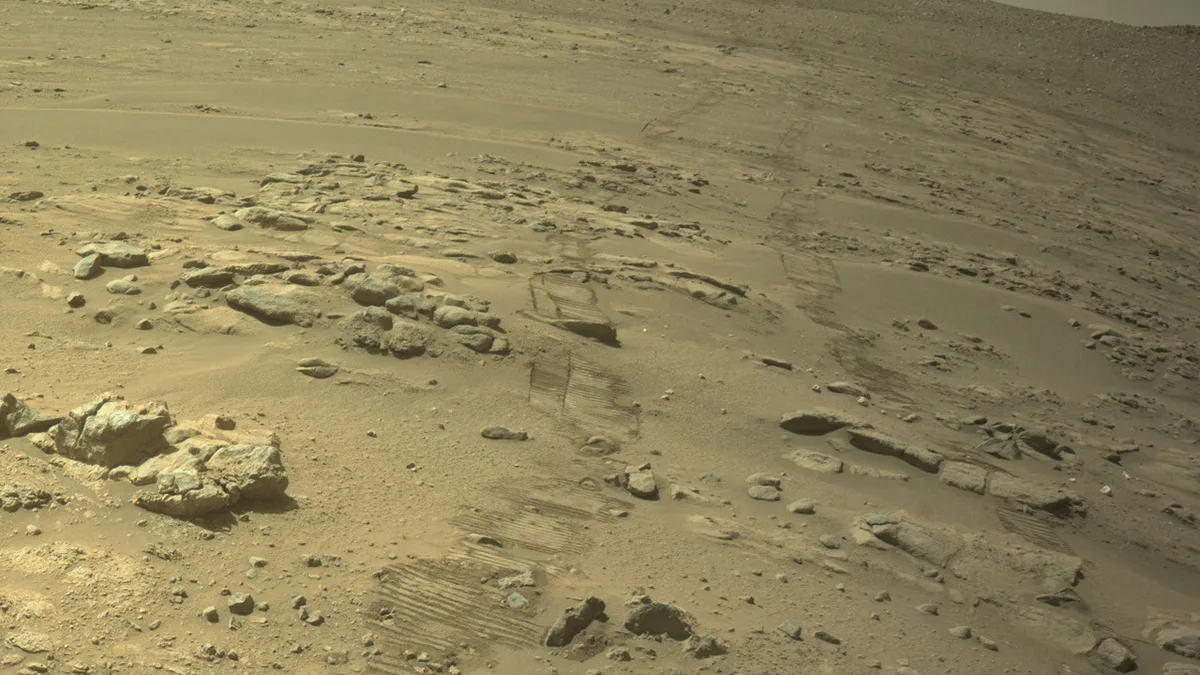
In April 2025, scientists reported they had found possible traces of dimethyl sulfide and dimethyl disulfide in K2-18b’s atmosphere, molecules that on Earth are linked to biological activity. The announcement was presented as one of the strongest pieces of evidence for extraterrestrial life so far. Five months later, in September 2025, NASA announced that a rock named Cheyava Falls, discovered on Mars by the Perseverance rover, carried a possible biosignature, mineral rings resembling leopard spots of the kind that on Earth is usually produced by microbial activity. NASA Administrator Sean Duffy said at the time that it was the step “closest we’ve ever come” to finding life on Mars.
What Astrobiologists Said
The survey was led by Peter Vickers, head of the philosophy of science department at the University of Durham, through the research group C-SCOPE, which studies how scientific communities respond to uncertainty. The questionnaire was simple: astrobiologists were asked whether they believe extraterrestrial life has likely been found, with answers ranging from strong agreement to strong disagreement. In both cases the survey was run within days of the announcement itself, while public attention was at its peak.
For K2-18b, only 6.6 percent of respondents agreed that life had likely been found. A neutral position accounted for 28.0 percent of answers, while 63.4 percent of astrobiologists disagreed with the statement. For the Martian rock, the picture was somewhat different, though still far from confirmation: 15.1 percent agreed, 44.6 percent disagreed, and 40.3 percent stayed neutral.
The biggest shift, however, wasn’t in the share who agreed but among those who disagreed most strongly. The proportion of astrobiologists who strongly disagreed dropped from 35.1 percent for K2-18b to just 11.1 percent for the Martian rock. In other words, the field didn’t move from rejection toward acceptance, it moved from sharp rejection toward milder disagreement and neutrality. Vickers and his colleagues explain this by pointing out that the Martian rock was physically available for direct study, while the conclusions about K2-18b rested on spectral data gathered from 120 light years away.
Why a Survey, Not Just Statements
Vickers described the research as an attempt to keep the public debate about science from being reduced to statements made by individuals. “Our goal is to better understand how scientific communities respond to uncertainty,” Vickers told The Conversation.
According to him, public debate often leans on statements from individual scientists that get quoted by the media, rather than on a systematic look at what the whole community thinks. Phrases like “science says” or “scientists believe” compress a wide range of opinion into a single, easily quoted position. A survey, Vickers argues, reveals the texture underneath that position: how many researchers are convinced, how many are skeptical, and how many simply think the evidence isn’t yet enough to decide. The C-SCOPE group believes this kind of surveying should become a regular part of reporting on contested scientific findings rather than an exception, and that the same approach applies to climate change, pandemics or artificial intelligence, where the public is often pointed to a “scientific consensus” without measurable evidence that one exists.
The study, however, has clear limits. The authors don’t list an exact number of respondents in the available material, nor a detailed breakdown of the sample by astrobiology subfield, and the survey measures opinion within the field, it doesn’t prove or disprove that life was actually found at either site. Agreement or disagreement among the surveyed scientists also says nothing about how methodologically solid each individual announcement is, that remains a question for the peer reviewed papers on the findings themselves, not for a survey about how the field received them. What the data shows is that caution, not excitement, is the dominant stance among astrobiologists on both cases, and that stance is considerably harder to measure than it is to lift from a single quote for the press.