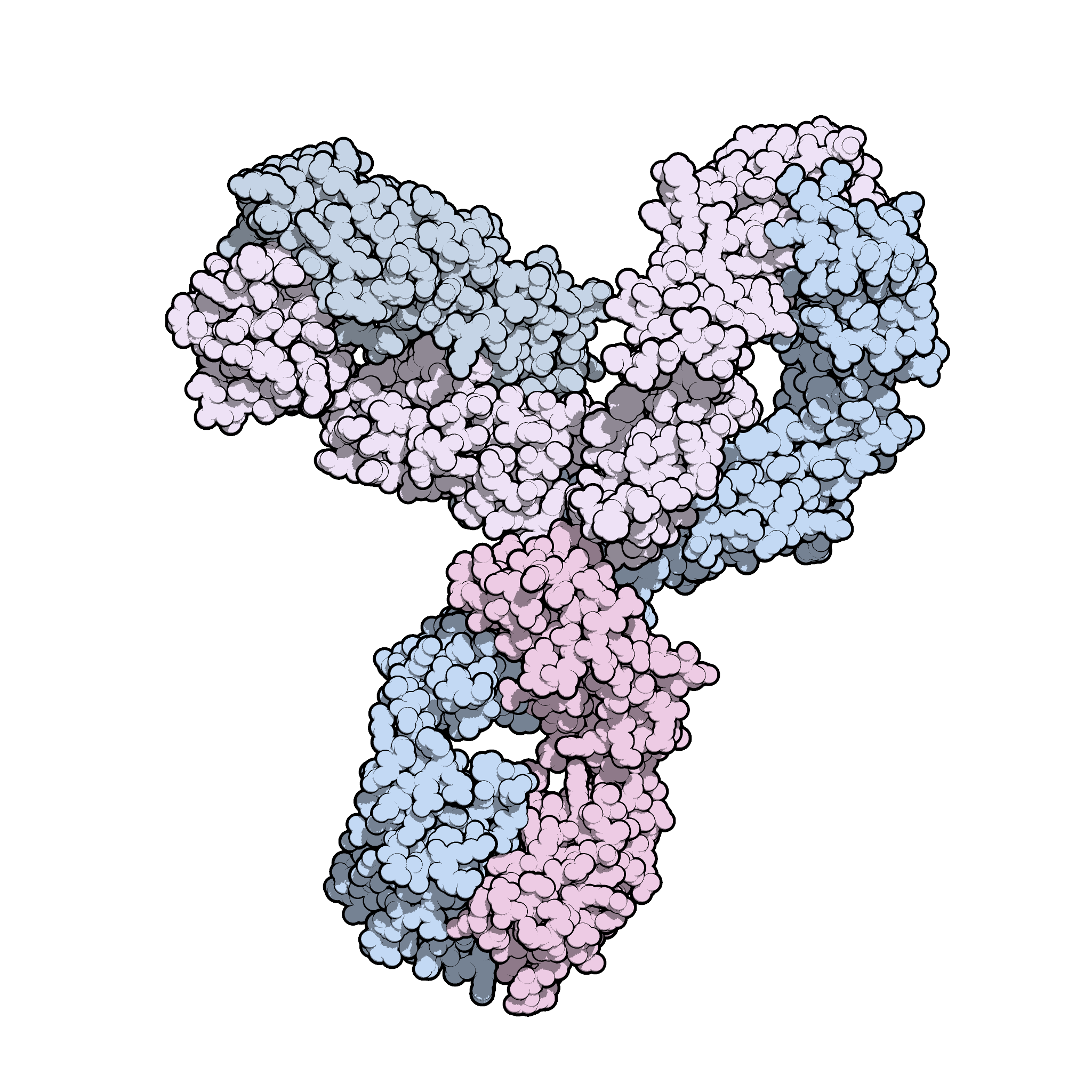
Melanoma mRNA Vaccine Cuts Relapse or Death Risk 42%
Phase 3 INTerpath-001 results at ESMO in Madrid show a benefit from a personalized mRNA vaccine plus pembrolizumab, but overall survival has not yet been measured.
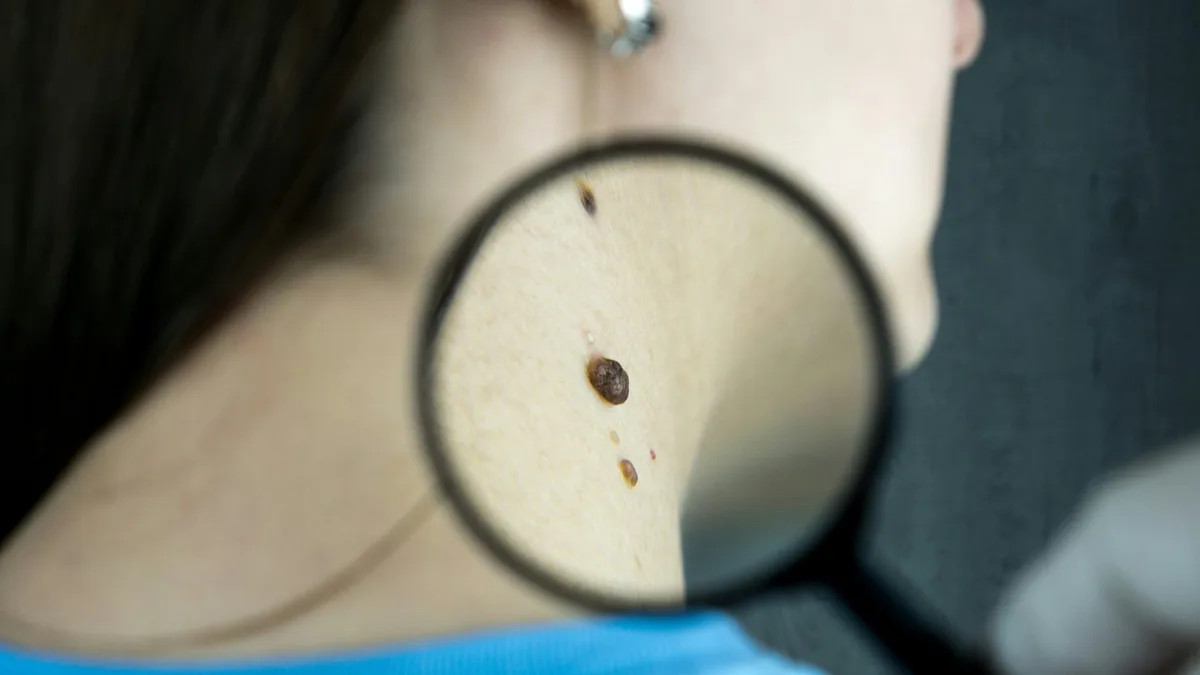
A personalized mRNA vaccine against melanoma, given together with the immunotherapy drug pembrolizumab, cut the risk of the disease returning or of death by 42 percent in patients whose tumors had been surgically removed. These are the full phase 3 results of the INTerpath-001 study, presented on Saturday, October 24, 2026, at the European Society for Medical Oncology (ESMO) congress in Madrid by Professor Georgina Long, medical director of Melanoma Institute Australia and chair of melanoma medical oncology at the University of Sydney. The work is listed as LBA1 and was part of Presidential Symposium I.
Until now, the public had only a short announcement from Merck (MSD) and Moderna on August 19 saying the study had met its primary goal. The companies released the detailed figures in a statement on Thursday, October 22, two days before the Madrid presentation. The paper has been accepted for publication in the New England Journal of Medicine.
How does a vaccine made for one patient work?
The drug is called intismeran autogene (also known as V940 and mRNA-4157). Merck and Moderna are developing it together, and it is given alongside pembrolizumab (Keytruda). Each vaccine is made for an individual patient: a sample of the tumor is sequenced, and the synthetic mRNA carries the code for up to 34 neoantigens, abnormal proteins specific to that tumor. The body’s cells produce them, and the immune system then recognizes them as a target.
In a statement from Melanoma Institute Australia, Professor Long explained it with the image of a wanted poster:
“We analyze each patient’s tumor sample to read its unique neoantigen fingerprint, and then we create a ‘wanted poster’ for that cancer. It is delivered as mRNA, so the body’s own cells show the wanted poster to the immune system, telling it exactly what to look for and attack.”
Pembrolizumab stops a tumor from switching off immune cells, and it is the same drug for every patient. Long described the difference this way:
“Cancer can trick the immune system with a false friendly handshake, so the immune system thinks the cancer cell is normal. Pembrolizumab blocks that handshake, so immune cells can recognize the cancer and attack it, but it is the same drug for everyone. The vaccine gives the patient’s immune cells a personalized wanted poster for their cancer, so the combination works in more patients.”
How was the study run?
The trial enrolled 1,137 patients with surgically removed, high-risk melanoma at stages IIB to IV who had received no prior drug therapy, at 157 centers worldwide. Patients were randomized two to one: 757 received the vaccine plus pembrolizumab and 380 received placebo plus pembrolizumab. The study is double-blind. The vaccine was given as a 1 milligram intramuscular dose every three weeks for up to nine doses, and pembrolizumab as a 400 milligram intravenous dose every six weeks for up to nine cycles, which adds up to about a year of treatment.
What do the numbers show?
The data cutoff is June 30, 2026, with a median follow-up of 24.6 months. The risk of recurrence or death was 42 percent lower (hazard ratio 0.58; 95 percent confidence interval 0.45 to 0.75). After two years, 82.2 percent of patients on the vaccine were free of recurrence, compared with 70.0 percent of those on pembrolizumab alone.
The risk of distant metastasis or death was 38 percent lower (hazard ratio 0.62), and after two years 88.5 percent of patients on the combination had no distant metastases, against 80.2 percent on pembrolizumab alone.
The pattern over time is notable. In the first six months there was no difference between the groups (hazard ratio 0.99), while after six months the risk of recurrence was 58 percent lower (hazard ratio 0.42). The companies say the benefit grew stronger after the immunization schedule was completed.
Dean Li, president of Merck Research Laboratories, assessed the results this way in the company’s statement:
“INTerpath-001 is the first phase 3 study to show a clinically meaningful improvement in recurrence-free survival and distant metastasis-free survival compared with standard-of-care pembrolizumab in patients with resected melanoma, setting a new benchmark for post-surgical treatment and representing one of the most significant advances in melanoma treatment since the arrival of immunotherapy.”
In the same Melanoma Institute Australia statement, Professor Long said:
“These findings are a fundamental shift in our approach to cancer: we are using the immune system in a more personalized way to reduce the risk of melanoma coming back or death. This has not been achieved before in the history of cancer drug development. It is a combination of technology, our biological understanding of cancer and the immune system, and the courage to take this idea into the clinic.”
Professor Matteo Carlino, the medical oncologist who led the study at Westmead Hospital in Sydney, said:
“It was an incredible opportunity to be part of this Australian and international collaboration and to contribute to the development of intismeran from its early stages to this landmark study. Intismeran has the potential to revolutionize the treatment of melanoma, and of several other types of cancer.”
What about side effects?
The safety figures depend on what is being counted. According to the companies’ statement, severe treatment-related adverse events (grade 3 to 5) occurred in 14.2 percent of patients on the combination and 13.4 percent on pembrolizumab alone. According to the congress presentation, all severe adverse events regardless of cause were 23.6 percent versus 20.3 percent. Adverse events led to discontinuation of either drug in 16.6 percent of patients on the combination, versus 9.5 percent on pembrolizumab alone.
The most common complaints attributed to the vaccine were described as mild and short-lived:
- fever in 52.2 percent of patients (versus 8.2 percent)
- pain at the injection site in 51.0 percent (versus 9.5 percent)
- flu-like illness in 25.4 percent (versus 9.2 percent)
There were eight deaths in the vaccine group (1.1 percent), and none was linked to the vaccine. Adverse events of special interest related to pembrolizumab were similar in both groups, 36.0 versus 34.7 percent.
What does this study not prove?
Overall survival has not yet shown a statistically significant difference: the hazard ratio is 0.77, but the data are immature and do not cross the prespecified threshold, so it cannot be said that the vaccine extends life. The primary endpoint, recurrence-free survival, was assessed by investigators, and this is a first interim analysis with follow-up of under two and a half years. Long-term benefit and safety still have to be tracked, and the study continues.
For now, the results have been reported only at the congress and in company statements, with the journal paper still to come. The drug remains experimental: the companies are in discussions with regulators, and approval can take years, depending on the country. Merck and Moderna are testing intismeran in nine studies, three of them phase 3 trials in non-small cell lung cancer.