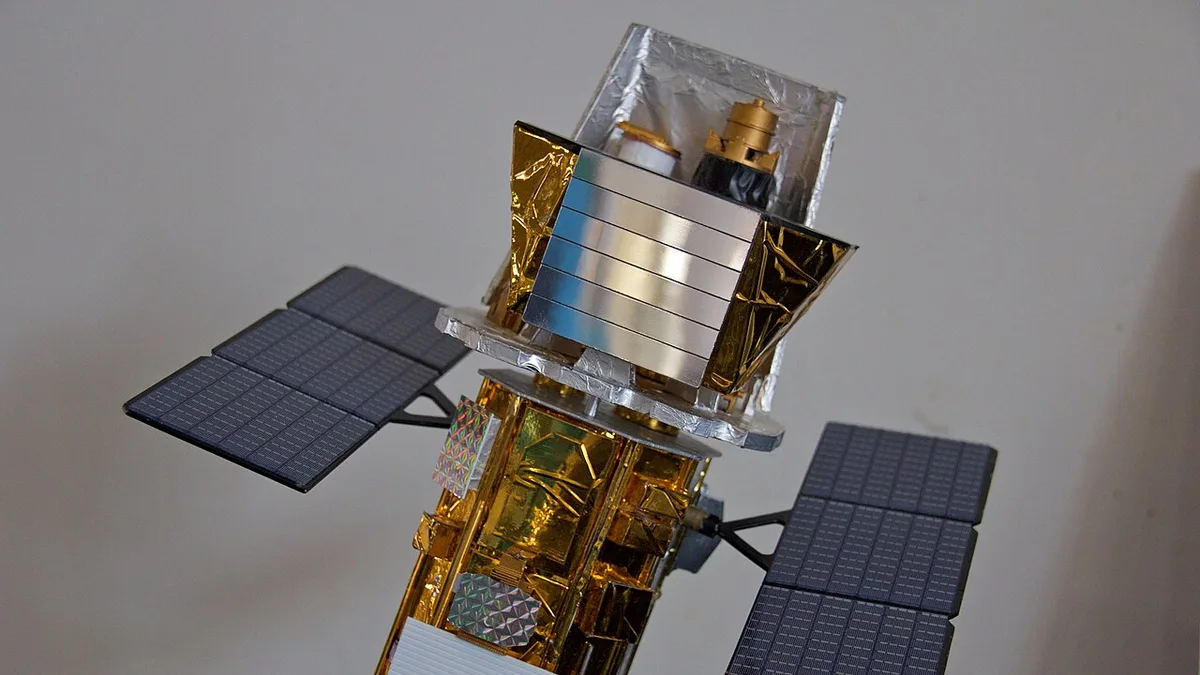
Voyager 1 went silent for two days, cause under study
NASA and JPL said the probe did not respond on October 18 and 19, then reconnected on its own on October 20. On November 18 it reaches a distance of one light day.
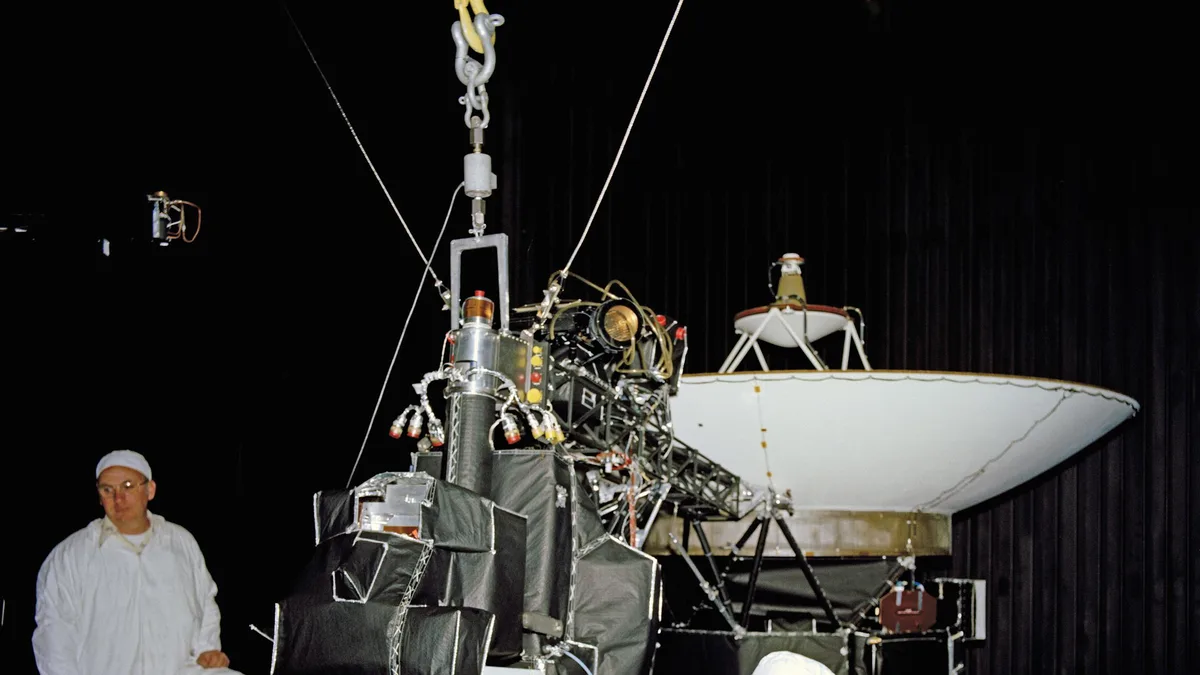
The Deep Space Network of antennas picked up no radio signal from the Voyager 1 probe in two scheduled contact attempts, on October 18 and 19, 2026, 24 hours apart. The signal returned on October 20 and the link has been steady since. NASA and the Jet Propulsion Laboratory (JPL) in Southern California said so on October 29, adding that on November 18 the probe will reach a distance of one light day.
What happened to Voyager 1?
The outage lasted 48 hours, and the probe was about 24 billion kilometers (16 billion miles) from Earth at the time. The team did not need to send any commands to fix a fault, because the connection came back on its own.
So far, engineers have established that one set of thrusters switched off and the backup thrusters came on automatically. That swap is programmed in advance: when the probe’s computers detect a problem with the active thrusters, fault protection kicks in. It puts the spacecraft into a safe, stable mode and halts routine operations, so engineers have time to diagnose the problem. The cause of the lost contact is still under investigation.
Kareem Badaruddin, the Voyager mission manager at JPL, said in a statement:
“This is the first time we have seen the spacecraft do something like this, but we are also at a stage of the mission where we have to expect the unexpected. We are relieved to be back in contact with Voyager 1 and eager to understand what happened.”
Why were devices on the probe swapped in September?
In early September 2026, engineers switched off three devices on Voyager 1 and replaced them with three that draw less power. The operation is nicknamed “Big Bang” and was completed about six weeks after the same swap on Voyager 2.
Both probes get their power from radioisotope thermoelectric generators, which turn the heat of decaying plutonium into electricity. The plutonium supply keeps shrinking, so each probe loses about 4 watts of power a year. The six devices involved in the swap also heat the spacecraft, which is why all three had to be replaced at the same time: only that way did power consumption fall while the heat stayed evenly distributed.
The mission launched in 1977 with 10 science instruments. In recent years the power shortfall has forced the team to shut down two more. Without the “Big Bang” swap, Voyager 1 would have had to turn off another instrument as early as summer 2027. The Voyagers are the only spacecraft that have directly studied interstellar space, the region beyond the heliosphere.
What does one light day mean?
The probe travels at 61,155 kilometers per hour (38,000 miles per hour). On November 18, 2026, it will be 25.89 billion kilometers (16.09 billion miles) from Earth, which equals one light day. A radio wave takes 24 hours to reach the probe, and the reply takes another 24 hours to come back.
Suzanne Dodd, the Voyager project manager at JPL, described it this way in a statement:
“If you want to say hello to Voyager, send a message, go home, and wait two days until you finally get an answer.”
NASA says the probe will not register any change in its surroundings on that day and nothing on board will change. The date matters because it shows the vastness of space and the endurance of the most distant explorer humans have ever sent out.
What the statement does not explain
The statement does not say why the set of thrusters switched off, and it does not link the loss of contact to the September device swap. All that is known is what engineers have observed so far: the thrusters were changed over, fault protection worked, and the probe was unreachable for two scheduled contact attempts. While the investigation continues, the cause remains unknown.