Sound Cannon Case: Prosecutors Accuse Ponos of Targeting
Belgrade prosecutors say Zdravko Ponos targeted a prosecutor by publishing his name. Lawyers respond that prosecutorial work is public and call the case an attempt to discredit a rival.

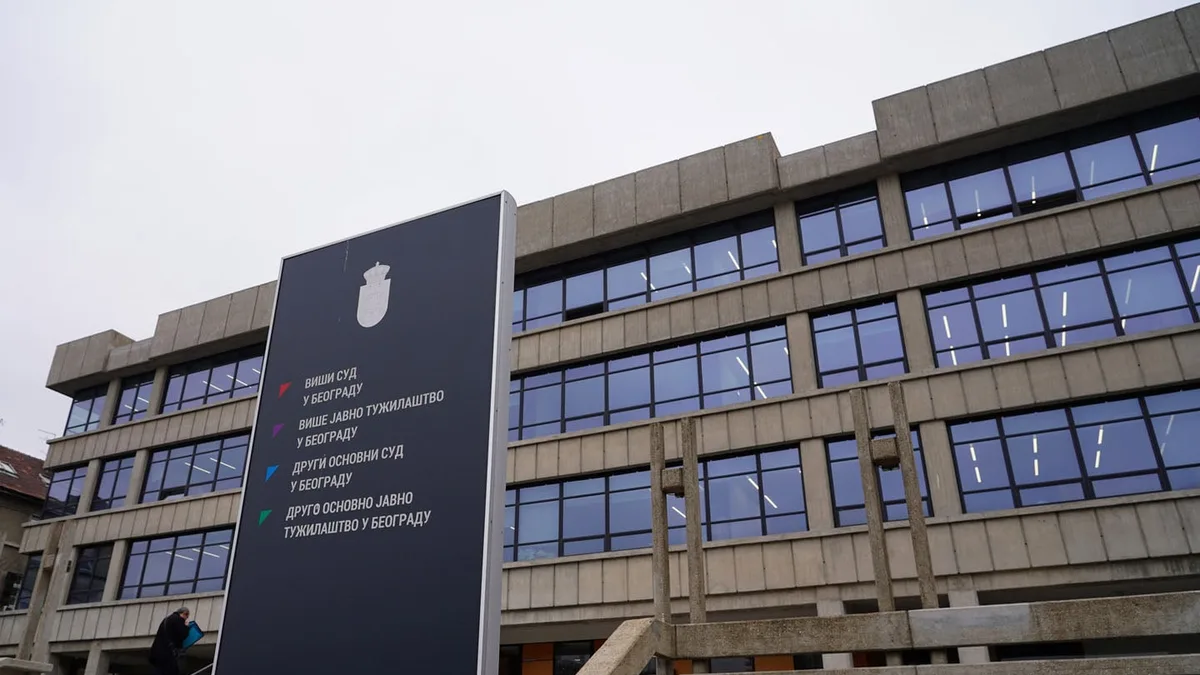
- Belgrade's Higher Public Prosecutor's Office has accused Zdravko Ponos of targeting a prosecutor by publishing his name after an informational interview at the criminal police directorate.
- Lawyers and law professor Vesna Besirevic counter that prosecutorial work is public and that prosecutors, as public officials, cannot remain hidden.
- The case stems from claims that a sound cannon was used at a protest on March 15, 2025, and involves the offence of causing panic and disorder under Article 343.
- Pro-government voices say Ponos knowingly lied, and it remains open whether the prosecutions will extend to other opposition MPs.
The dispute over the so-called sound cannon entered a new and more dangerous phase on Friday. Belgrade’s Higher Public Prosecutor’s Office stated that Serbia Centre party leader Zdravko Ponos broke the law not by talking about the investigation, but by publicly naming the prosecutor who ordered his questioning at the Criminal Police Directorate. The office calls this the targeting of a judicial official. Ponos and part of the legal profession respond that this is an attempt to silence a political rival through legal means.
For context, the entire case rests on Ponos’s post on the platform X from March 15, 2025, in which he claimed that a sound cannon had been used against citizens gathered at the end of a protest. A monitoring body later concluded that the claim was false, and prosecutors tie the investigation to the offence of causing panic and disorder under Article 343 of the Criminal Code. Ponos spent roughly ninety minutes at the directorate, questioned as a citizen, after which he publicly named the acting prosecutor.
Is naming a prosecutor targeting, or public oversight?
This is where the whole conflict turns. Prosecutors argue that publishing the name amounts to pressure on an official and an invitation to a witch hunt. Law professor Vesna Besirevic stated the opposite: that prosecutorial work is public by law and that prosecutors cannot be anonymous when they decide on citizens’ freedom. In her assessment, opening the sound cannon case is an attempt to discredit a political rival rather than to protect the judiciary.
The argument carries weight. In democratic systems, those wielding public authority face wider scrutiny than private individuals, precisely because they command the coercive power of the state. Ponos’s lawyers also raise a question of balance, since the official record of his questioning, according to the opposition, soon surfaced in pro-government media, while the same prosecutor’s office showed no comparable alarm over that leak. Ponos himself asked the justice minister where the prosecution got the idea that it already knows the truth about the sound cannon.
What the other side says about the escalation
The pro-government camp reads the case very differently. Commentators close to the authorities, among them Mario Spasic, along with outlets such as Kurir and Informer, argue that Ponos knowingly and deliberately lied about the sound cannon and thereby spread panic among citizens. By that logic, prosecutors are not persecuting a politician but protecting public order and establishing the truth about an event that shook the country.
The dispute has therefore outgrown a single tweet. The question is no longer only whether a sound cannon was used, but who may name a prosecutor, who answers for the leaked file, and how far criminal prosecution over political statements can reach. In the corridors, there is already open talk of applying a similar procedure to other opposition MPs, which would shift the burden from one man onto the parliamentary opposition as a whole.
For now, two irreconcilable versions sit on the table. One holds that an opposition leader endangered a prosecutor and lied to the public; the other that the government is using the prosecution as an extended arm against dissenters. As always, the evidence will decide, along with whether the case stays within the law or turns into a reckoning. Do you believe that naming a prosecutor in public debate constitutes targeting, or legitimate oversight of power?