Bratunac Marks 34th Anniversary of Serb Victims in Podrinje
On the 34th anniversary of the killing of Serbs in Central Podrinje and Birac, Patriarch Porfirije led a memorial service in Bratunac, while Republika Srpska declared July 4 a Day of Mourning.

- Bratunac marked the 34th anniversary of the killing of Serbs in Central Podrinje and Birac on July 4.
- Republika Srpska declared the day a Day of Mourning, with a central commemoration attended by the entity's leadership.
- Patriarch Porfirije led a memorial service for the 3,267 victims, and wreaths were laid at the Bratunac cemetery.
- Guests included a spiritual advisor to the U.S. president and the Russian ambassador to Bosnia and Herzegovina.
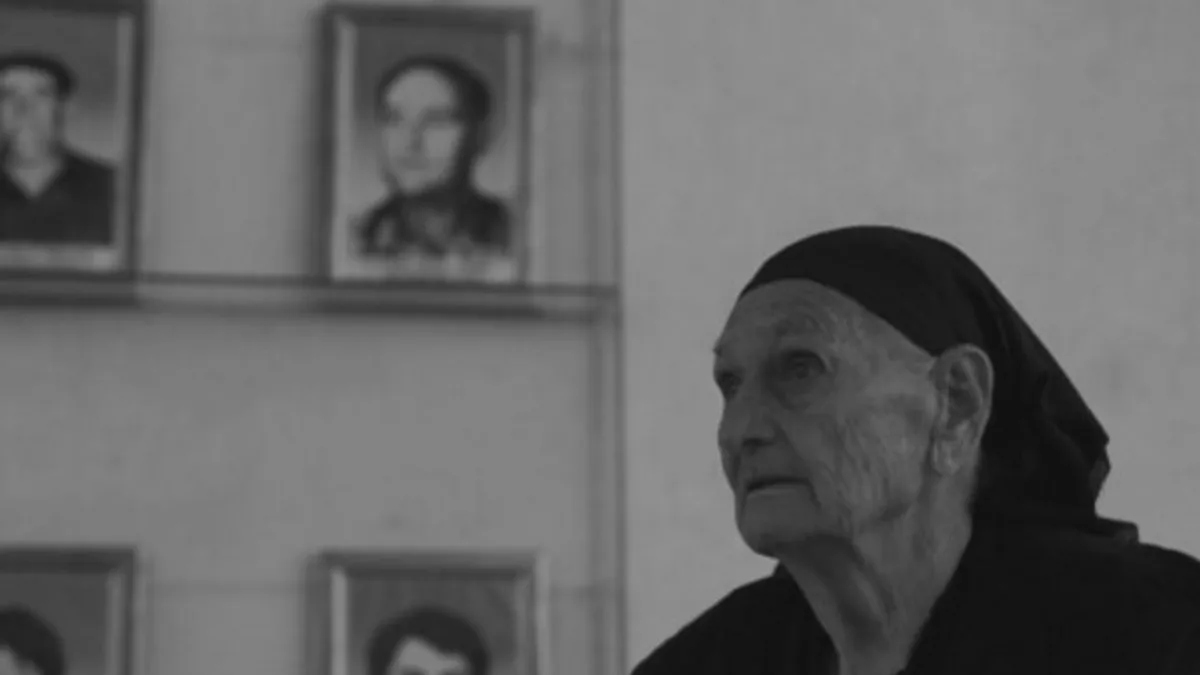
The central commemoration marking the 34th anniversary of the killing of Serbs in Central Podrinje and Birac was held on July 4 in Bratunac, where the Serbian Orthodox Church led a memorial service and Republika Srpska declared the day a Day of Mourning. The liturgy and requiem for the 3,267 dead were led by Serbian Patriarch Porfirije, and wreaths were laid at the Bratunac cemetery, before photographs of the victims that families have displayed there for years.
The entity’s leadership attended in full. Present were President Sinisa Karan, National Assembly Speaker Nenad Stevandic, Prime Minister Savo Minic and Alliance of Independent Social Democrats leader Milorad Dodik. This year’s commemoration was held under the slogan “You are not summoned to Bratunac, you go to Bratunac,” a message that shifts the event from a matter of protocol to one of obligation.
According to Republika Srpska data, 3,267 Serbs were killed in Podrinje between 1992 and 1995, more than 150 villages were destroyed, along with dozens of churches and cemeteries. Those figures anchor every speech in Bratunac, because Serb victims in eastern Bosnia are rarely mentioned in the international arena with the same attention given to the suffering of the other side.
Why does Bratunac remain a point of dispute in the region?
The answer lies in an asymmetry of memory. Srebrenica, as the site of the killing of the Bosniak population, became a global symbol and the subject of resolutions by world bodies. The Podrinje villages around Bratunac, in Kravica, Skelani and other places, in the same space and time, remained outside that frame. Republika Srpska officials again repeated this year that they seek equal recognition for all victims, without a selective reading of the war.
The presence of foreign guests added a foreign-policy dimension to the event. In Bratunac were Mark Burns, a spiritual advisor to U.S. President Donald Trump, and Igor Kalabukhov, the Russian ambassador to Bosnia and Herzegovina. These are two addresses that normally sit on opposing sides of most global questions, yet this time found themselves at the same memorial. For the Republika Srpska leadership, that is a signal that the story of the Podrinje victims is moving beyond a local frame.
The decision to declare July 4 a Day of Mourning is more than symbolic. It moves the institution of remembrance from the level of a church service and family gatherings to the level of a state act, with a suspension of routine activities and official observance. In political terms, it is also a way to inscribe the date permanently into the calendar of Republika Srpska, regardless of who leads it in the future.
What the commemoration means for relations in Bosnia and Herzegovina
Every observance in Podrinje is read through the prism of the delicate relations between the two entities. Sarajevo and Banja Luka have for years maintained parallel narratives about the war, and dates like this one measure the temperature of those relations anew each year. For Republika Srpska, Bratunac is the place where it insists that there were victims on all sides and that none may be left out of official memory.
For the victims’ families, however, daily politics stays in the background. The photographs at the memorial, the names and the years of birth and death, bear witness to people whose return never happened. Thirty-four years on, the question Bratunac poses is not only how many victims there were, but whether the region can ever reach a form of remembrance in which no name is passed over in silence. Do you think joint recognition of all victims in Bosnia and Herzegovina is possible at all?