Shanghai Ranking: Students Blame Funding, Not Blockades
Students in blockade rejected the government's claim that last year's blockades caused the University of Belgrade's drop on the Shanghai Ranking, and cited figures on science funding instead.

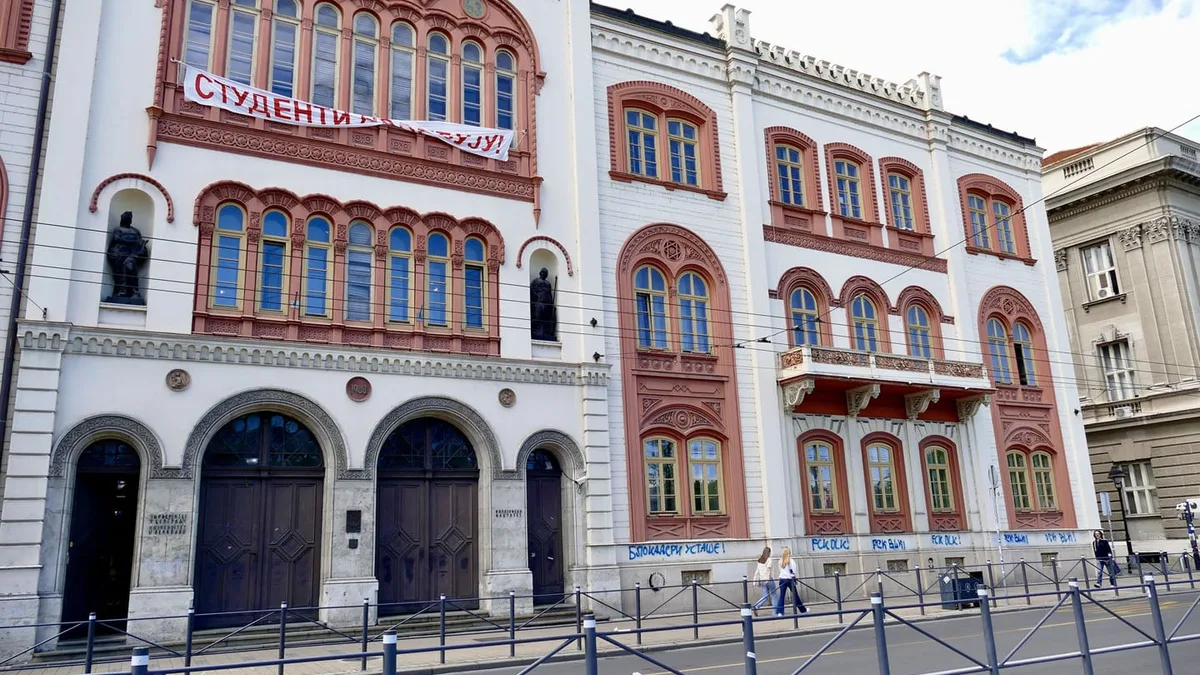
Students in blockade published a statement on August 18 responding to the University of Belgrade’s drop on the Shanghai Ranking of the world’s best universities, rejecting the government’s claim that last year’s student blockades were to blame for the lower placement. Instead, the statement cited figures on years of underfunding in science.
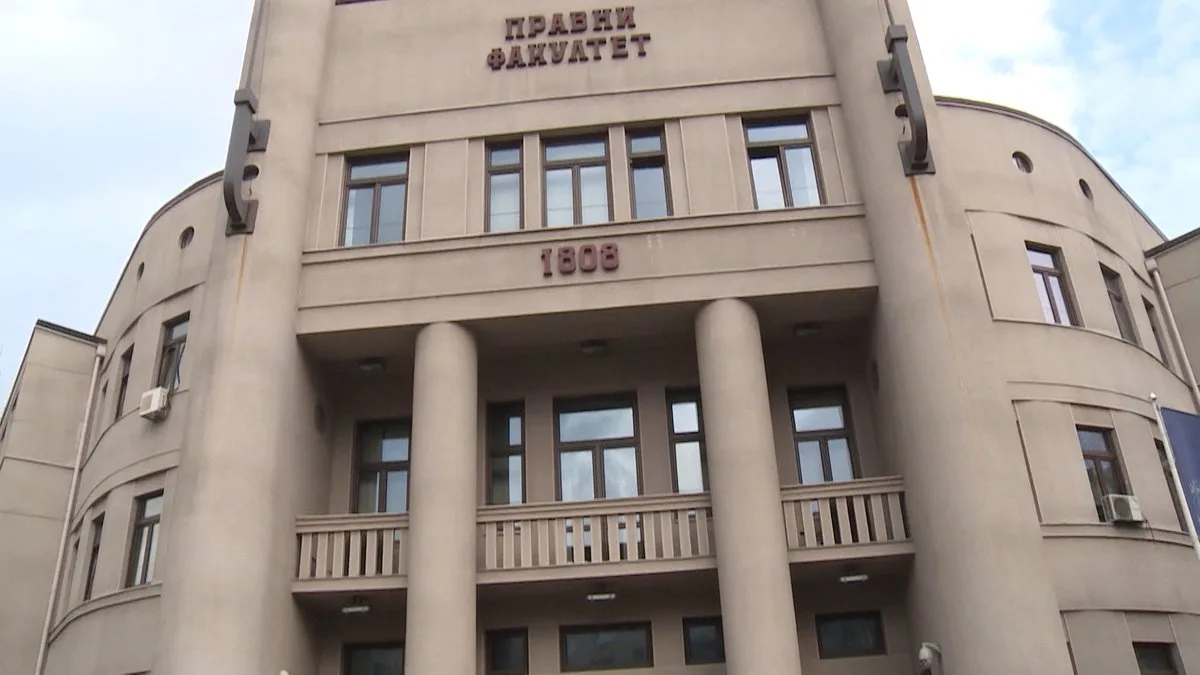
In the 2026 rankings, the University of Belgrade was placed in the group between 500th and 600th, falling out of the top 500 world universities for the first time in several years. We reported on the drop earlier this month, when the ranking became known.
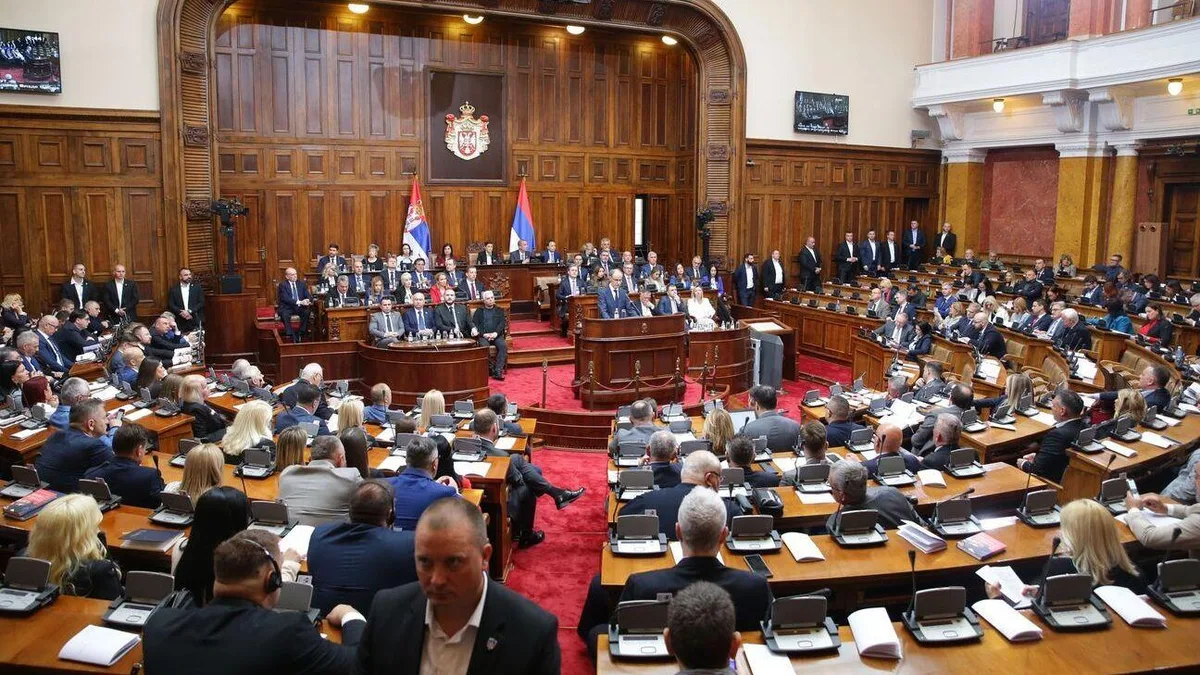
The first reaction from the government came from National Assembly Speaker Ana Brnabic, who said in a statement carried on August 16 that responsibility lay with rector Vladan Djokic and last year’s blockades of the faculties.
“I’m sorry that the politician Djokic had to destroy the University of Belgrade so that the citizens of Serbia could see in black and white what he and the blockaders did to our society.”
The statement came two days before students in blockade issued their own statement offering a different reading of the same data.
What does the Shanghai Ranking actually measure?
Students in blockade responded to that interpretation by arguing that “the real question is how it is still among the world’s top 600 universities despite everything.” According to their statement, total spending on research and development in Serbia stands at around 0.94 percent of gross domestic product, compared with a European average of around 2.2 percent. Per researcher, they add, Serbia spends around 44,000 euros a year, against a European average of around 188,000 euros.
Judging by their reading, the Shanghai Ranking does not measure teaching quality but primarily the scientific output of professors themselves. Students blocked lectures last year while researchers continued their scientific work, so the claim that the blockades alone caused the drop, in their view, does not hold up.
Vladimir Obradovic, a professor at the Faculty of Organizational Sciences in Belgrade, explained where he sees the real problem.
“To publish one paper on the SSCI list, one scientific paper, you often need two, three, sometimes even several thousand euros just to cover the cost of publishing that paper. That’s not a luxury, it’s a fact of modern science. In Serbia, those funds don’t exist.”
According to him, it is precisely those funds that are missing from faculty budgets, and they are what universities are ranked on.
Dusan Veljkovic, a professor at the Faculty of Chemistry in Belgrade, pointed to another problem: a regulation from March 2025 that cut professors’ research time from 20 hours a week to five.
“That regulation was passed as the government’s revenge on teaching staff for refusing to take part in pressuring students. And the result is that it limited scientific work to, practically, one hour a day.”
Veljkovic adds that the same officials who passed that regulation are now using it as evidence that professors don’t work enough.
A problem older than last year’s blockades
According to figures cited by N1, the University of Belgrade was ranked in the same range, between 500th and 600th, five years ago as well, before the blockades even began. That detail supports the professors’ claim that the problem in Serbian science did not start last year, and that the blockades simply coincided with the moment its consequences became visible.
In the meantime, the organization MASA issued a call not to use the drop in the ranking for political scores. The organization said the University’s fall on the Shanghai Ranking must not be used for political attacks on professors.
The dispute remains open on two tracks. The government reads the drop as a consequence of the blockades and places responsibility on rector Djokic, while professors and students in blockade point to spending that has lagged behind the European average for years, and to the regulation that limited research work. Whether the government will revisit its March 2025 decision to cut research hours, or whether the dispute over the Shanghai Ranking will remain part of the broader political fight over the rector, is not known for now.