Vujacic: US Apology Must Be Direct, Not Implied
Former diplomats Ivan Vujacic and Dusko Lopandic reject Selakovic's claim that ceding the General Staff ruins to the Trump family counts as a US apology, as he stands trial in the same case.

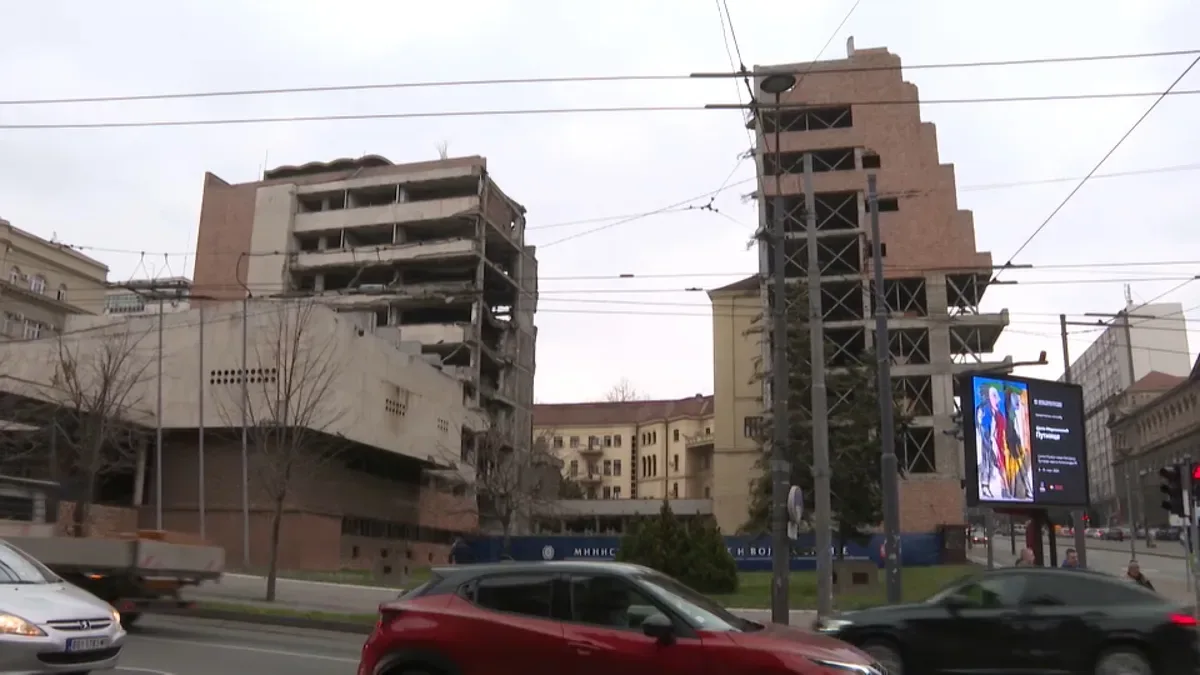
Former Serbian ambassador to the United States Ivan Vujacic and former diplomat Dusko Lopandic are the first named officials to respond to a claim by Culture Minister Nikola Selakovic, who said that handing the ruins of the General Staff building to an investor tied to the family of Donald Trump would amount to what he called a “serious apology” to Serbia for the 1999 NATO bombing. Selakovic made the remark on Wednesday on the program “U sredu sa Bojanom Bilbijom” on Radio Belgrade’s First Program, even as he stands trial before the Special Department of the Belgrade Higher Court over the same complex.
The commercial project, worth more than 750 million dollars, was proposed by Jared Kushner, Donald Trump’s son-in-law. It called for construction on the site of the ruined General Staff building in downtown Belgrade, alongside a memorial to the victims of the NATO campaign. Kushner has since withdrawn from the deal.
“On the part of Donald Trump and his administration, this would essentially be a kind of serious apology to Serbia for everything that was done,” Selakovic said on the program.
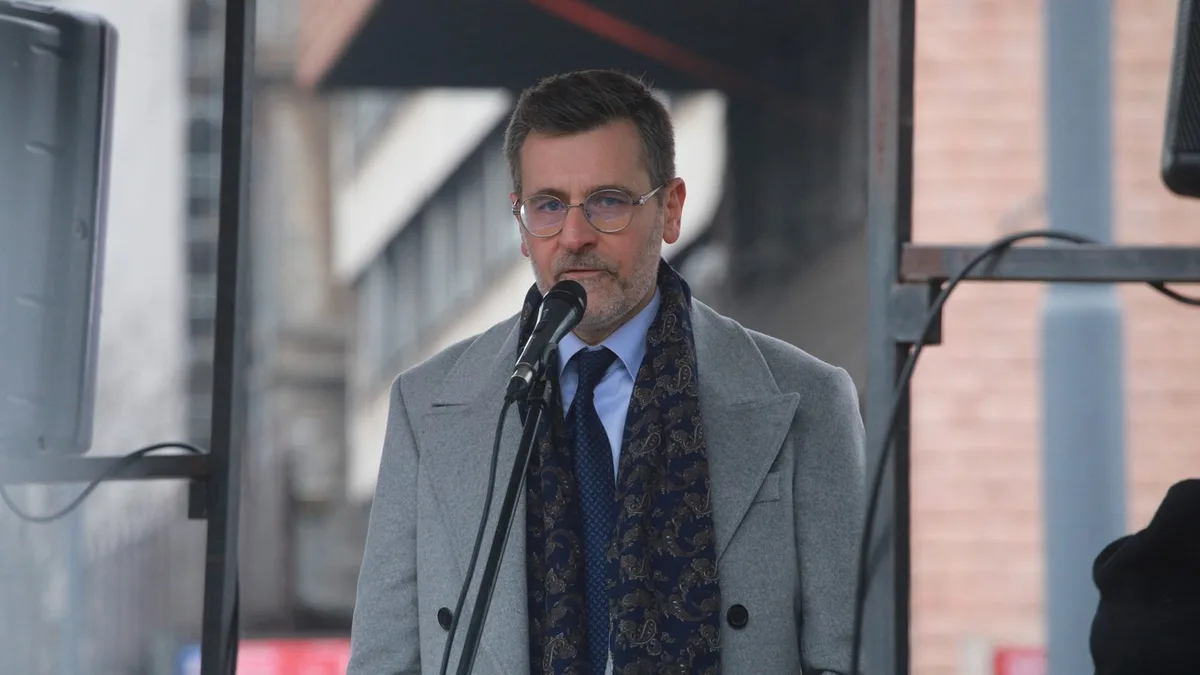
Vujacic, who represented Serbia in Washington, rejects that interpretation. He told N1 that the United States has never apologized for the bombing, officially, and has no intention of doing so.
“Some have expressed regret that it happened, but that is not the same as an apology. That is the first point. Second, apologies are usually direct, not indirect and of some kind, if they happen at all,” Vujacic explained.
The former ambassador added that no apology is contained in an attempt by the Trump family to secure a commercial deal in Belgrade either, and that part of the American public recognizes the problem as well.
“Many Americans, and public opinion across much of the country, criticize Trump for mixing, or rather linking, political power with commercial business. They see a serious conflict of interest in that,” Vujacic told N1.
Dusko Lopandic, a former diplomat and deputy president of the Serbia Centar party, holds a similar view. He says Selakovic’s statement reveals a lack of accountability in a man who is himself facing criminal charges.
“The minister, who is under criminal indictment, is showing neither shame nor responsibility. Instead of currying favor with American business circles, an elementary sense of pride and tradition among the Serbian people would call for the state itself to rebuild the General Staff,” Lopandic told N1.
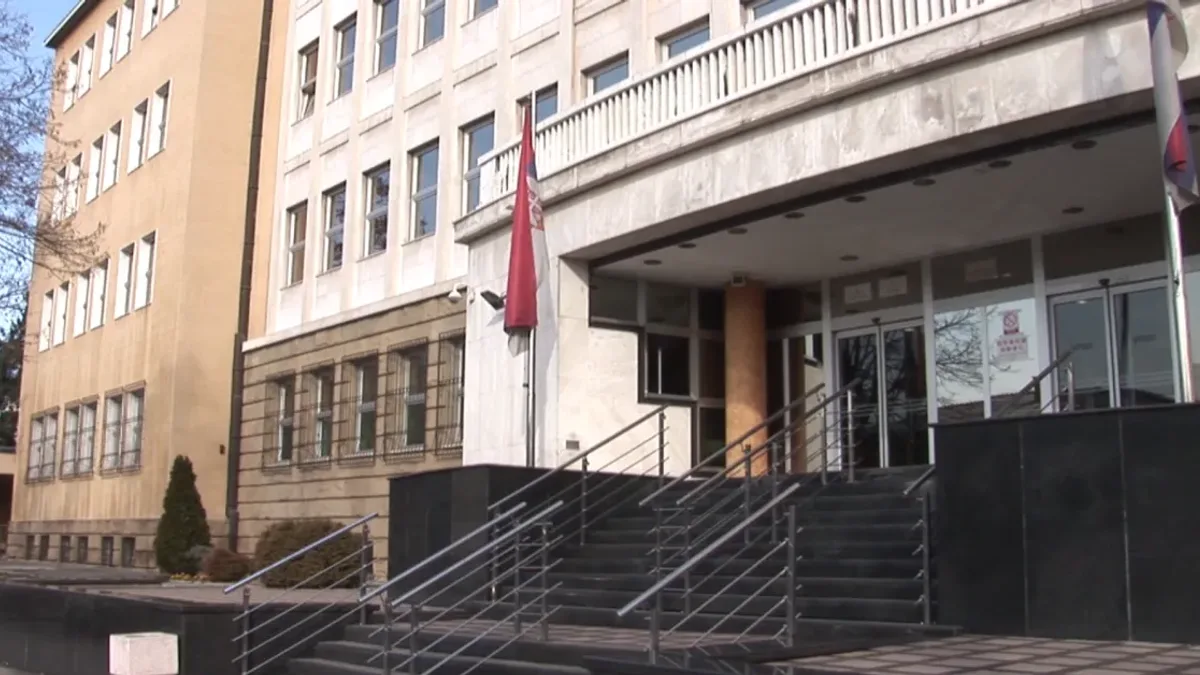
The criminal case against Selakovic is being heard before the Special Department for Organized Crime of the Belgrade Higher Court, over the 2024 removal of the General Staff complex’s protected heritage status. Alongside the minister, the defendants include Culture Ministry secretary Slavica Jelaca, acting director of the Republic Institute for the Protection of Cultural Monuments Goran Vasic, and director of the Belgrade City Institute for the Protection of Cultural Monuments Aleksandar Ivanovic, who is charged as an accessory. Selakovic, Jelaca and Vasic are charged with the continuing criminal offense of abuse of office and forgery of an official document, while Ivanovic is charged with aiding forgery.
Prosecutors have requested a three year prison sentence for Selakovic, two and a half years for Jelaca, three years for Vasic, and a year and a half for Ivanovic. At the hearing before the Special Department, the minister entered a plea of not guilty.
“I categorically state that I am not guilty,” Selakovic said at the hearing.
Summing up the situation, Vujacic points to what he considers the essential absurdity of Selakovic’s statement: that Serbia should pay the country that bombed it, so that the same country, through a business deal, would issue it an indirect and unspoken apology. Where Vujacic frames the problem mainly around the relationship with the United States, Lopandic insists on the domestic side of the argument, that the rebuilding of the ruins on Nemanjina Street should be financed by the state itself, with European Union funds if needed, rather than by a foreign investor.
Srpske vesti previously covered the General Staff case in the article “Selakovic: The General Staff Complex, an Apology and an Indictment.” President Aleksandar Vucic has repeatedly denied that any forgery took place in the process of removing the protection status, while the opposition points to the case as an example of what it calls a captured state. Whether Selakovic’s statement about a US apology will affect the course of the trial before the Special Department remains an open question, one the continuation of the proceedings will answer.