Brnabic Slams REM Ruling Against Informer and Prva
Ana Brnabic says punishing Informer and Prva ended press freedom. YUCOM lawyer Katarina Golubovic replies that Brnabic is bothered by institutions doing their jobs.
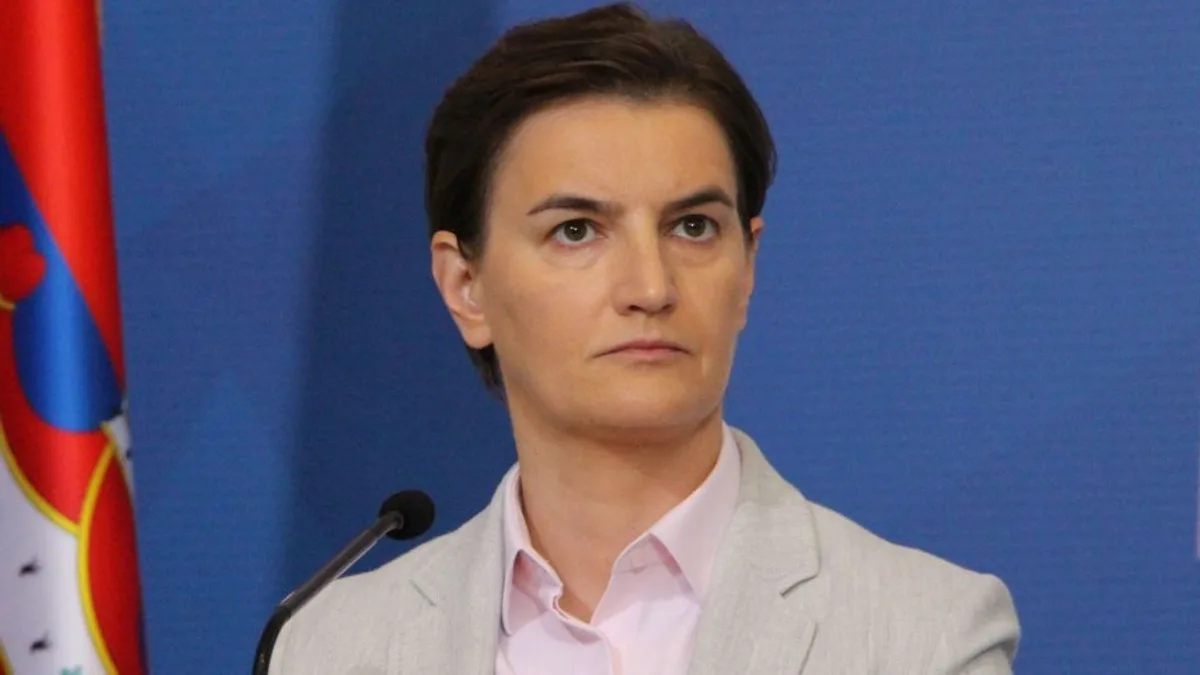
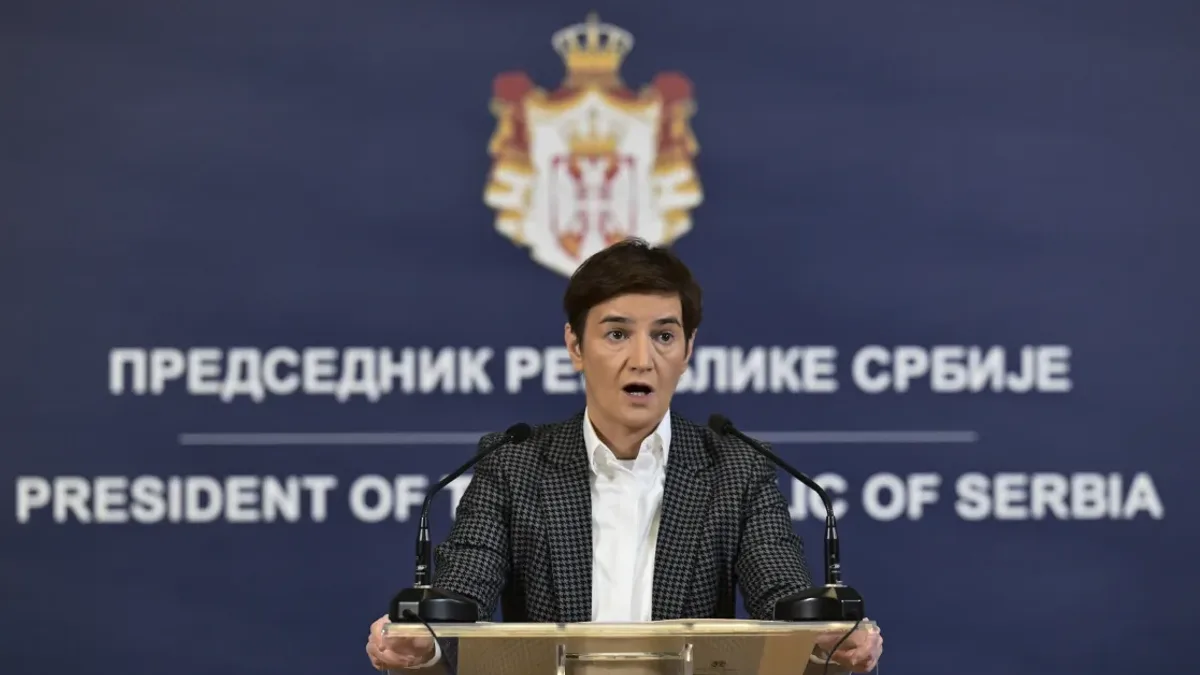
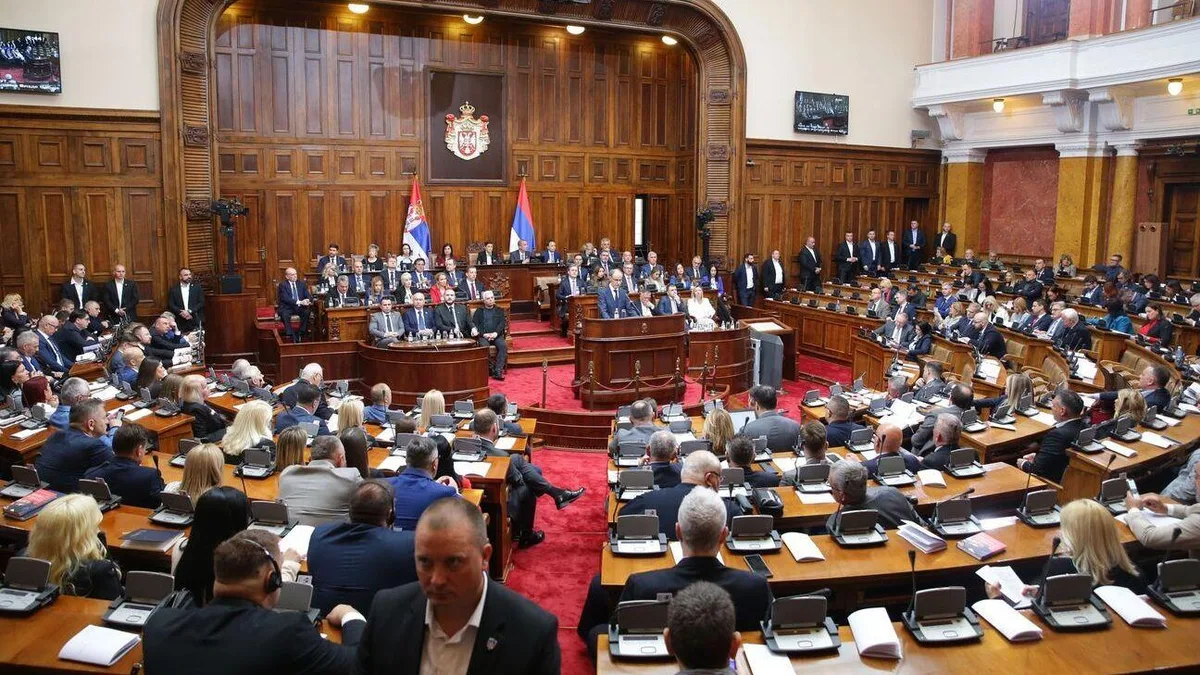
Ana Brnabic, Speaker of the National Assembly and acting President of Serbia, held a snap press conference in the Serbian parliament on November 4, 2026, after a session of the REM council at which TV Informer and TV Prva were penalized. She said the decision ended press freedom and that, in her view, it marked the official start of a dictatorship by the Student List.
The REM council banned Informer from airing the show “Prva Info” for seven days. According to reports by Beta and N1, TV Prva may not air its news bulletins for one day and its morning program for five days. The press conference followed a rally of support for Informer outside the REM building, which we covered earlier when Brnabic and Vucevic turned up there.
What did Brnabic say about the REM decision?
Of the Student List, she said: “They have shown how they treat media that did not side with them, or did not do so fast enough.” She described the regulator’s ruling this way: “REM has abolished the institution by showing servility.”
In her words, Informer has effectively been shut down, and it is the most-watched channel because it speaks freely. She characterized the day like this:
“This will go down as the blackest day in the history of Serbia. The Student List is conducting a witch hunt.”
She also promised resistance: “We will oppose the plenum commissars even more boldly.” The statements quoted here include no response from the Student List or the REM council.
What did she say about the Student List?
Brnabic also commented on the Student List’s press conference, held earlier the same day. In her assessment, they presented no plan for any area, and she added “may God help us.” She claims the Student List takes no responsibility for finances or energy, but has taken over the police, the prosecution and the courts in order to, as she put it, carry out terror. She also said criminal groups across Serbia are now racketeering businesspeople and intimidating citizens.
Why did she bring up Marko Pavlovic?
At the conference she also addressed the pardon of Marko Pavlovic, who is charged with attempted aggravated murder of student Sonja Ponjavic. She said she respects the constitutional power of the recently departed head of state, Aleksandar Vucic, to pardon him. Vucic, she said, “as president had the right to make such a decision.”
According to the indictment, on January 16 last year Pavlovic drove a car at full speed over a sidewalk and through a crowd and struck Ponjavic, who was carried for several meters on the roof of the vehicle before falling onto the asphalt. The trial had reached closing arguments, and the verdict was scheduled for November 6.
Brnabic added that it weighs on her more that he pardoned “people who were preparing terrorist actions, planning bloodshed, trying to manipulate people who were coming to the student protest on March 15.” As she relayed it, Vucic pardoned them with the explanation: “They are young, they will surely realize their mistake, I cannot destroy their lives.” She also complained that journalists do not ask her about that, only about Pavlovic.
What does Katarina Golubovic of YUCOM say?
Lawyer Katarina Golubovic told N1 that she understands what this is about: “It is obvious that Ana Brnabic is bothered by the fact that institutions have finally started doing their job.” She called Brnabic’s address political and said it amounts to prohibited political speech, because Brnabic still holds public office:
“Which was indeed the demand of the citizens. And all of this can only be described as a political speech… This now also falls under prohibited political speech, given that she still holds a certain office, where she is in fact commenting on the decisions of an independent body.”
Golubovic spoke in the evening on the N1 show “Dan uzivo”. On the pardons, she says, the key question is how to postpone their execution. In her assessment, the Constitutional Court could, if asked, issue an interim measure and halt the execution of the decisions before the competent institutions rule to discontinue proceedings. The Organized Crime Prosecutor’s Office, she said, could examine whether there was abuse of office or exceeding of authority.
She recalled that the Law on Pardons was adopted in 1995 and that, as she put it, there are no criteria for using the instrument and no transparency in the procedure. She said neither the decision nor the Justice Ministry’s proposal has been seen yet, and that the ministry has previously refused to hand over the documents on which earlier proceedings were initiated, even when ordered to by the Administrative Court.