Zabela Warden Roncevic Arrested Over Cigarettes and Votes
Rodoljub Roncevic, warden of Zabela prison, is suspected of handing inmates cigarettes and coffee for votes in the October 25 election. Crta wants every official up the chain held accountable.
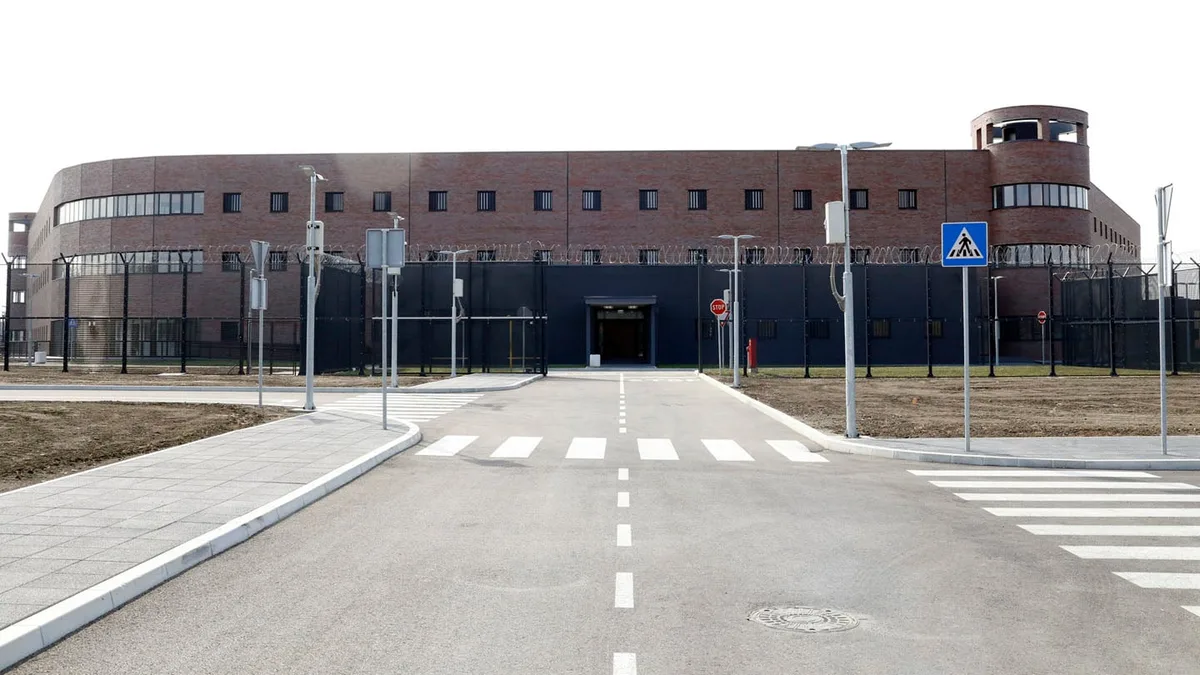
Rodoljub Roncevic (born 1978), warden of the Zabela correctional facility in Pozarevac, was arrested on November 6, 2026, on suspicion of giving inmates cigarettes and packs of coffee so that they would vote for the list numbered one in the October 25 election. According to a statement from the Interior Ministry (MUP), he was detained by officers of the Anti-Corruption Service of the Criminal Police Directorate, on the order of the Special Department for Combating Corruption of the Higher Public Prosecutor’s Office in Kraljevo.
Roncevic, who was born in Smederevo, is charged with abuse of office and with giving and taking bribes in connection with voting. The suspicion is reasonable grounds only, and no guilt has been established.
What does the Interior Ministry say Roncevic did?
According to the MUP statement, the acts took place between October 15 and 25, 2026. Roncevic took into the facility 20,265 cartons of cigarettes, entrusted to the Administration for the Enforcement of Criminal Sanctions by the Directorate for the Management of Seized Assets of the Ministry of Justice. The goods, in other words, reached Zabela from state-seized property, not from private sources.
He is suspected of then ordering staff to hand the cigarettes and packs of coffee to inmates as gifts, so that they would vote in the election for the list numbered one on the ballot. The MUP statement does not name the list. Part of the cigarettes, the same statement says, was handed over to other correctional facilities in Serbia, which gained a benefit by using cigarettes free of charge.
Roncevic has been ordered held for up to 48 hours. He will then be brought before the competent prosecutor, together with a criminal complaint.
What led up to the arrest?
The arrest did not come out of nowhere. Officers of the Criminal Police Directorate entered Zabela on November 4, two days earlier, and on the prosecutor’s order searched the facility’s buildings and grounds. Items suspected of being linked to the offense were found and seized.
The case was opened after instructions from the Prosecution Oversight Commission of the Supreme Public Prosecutor’s Office. That commission ordered the Higher Public Prosecutor’s Office in Kraljevo to examine allegations of irregularities at the facility on election day.
How many cigarettes were there, and what does Danas claim?
The sources differ on the quantity. The MUP gives exactly 20,265 cartons. Danas reported earlier about 22,000 cartons, which, according to that paper, sat in a truck inside the prison grounds and were used to bribe inmates to vote for the SNS. The MUP statement mentions neither a truck nor a party, so the difference in the figure and that claim cannot be reconciled from the published material.
The same paper also reported that on election day a call center of the Serbian Progressive Party allegedly operated inside Zabela, staffed in part by employees of the facility, including female guards. That claim has not been established, and the MUP statement does not confirm it.
What does Crta say?
Crta’s program director Rasa Nedeljkov told N1 that the arrest is only a first step. He recalled that pressure on voters is not new:
“Unfortunately, this is not a topic that opened up with this election. Blackmail and intimidation of people have been a practice for years. One of the most drastic testimonies was precisely about people whose health depended on doctors who made their care conditional on support for the party in power,” Nedeljkov said.
According to him, Crta was already sending requests to institutions in 2023 over the misuse of data on people serving prison sentences. Nedeljkov added:
“Back in 2023 we presented the facts and sent requests to institutions to answer the question of the misuse of data on people serving prison sentences, because we had indications that prisoners were being put in a position where their rights depend on whether they will vote or not. This is one of the bitter stories that shows how hollowed out state institutions are of their very purpose.”
Responsibility, in his view, does not stop with one man. “We are interested in establishing criminal responsibility of all the people in the chain,” Nedeljkov said, and added: “This could not have happened thanks to one prison warden alone. Many roads lead to the justice minister, under whose authority all of this took place.”
He also called for a check on the institutions in charge of oversight:
“We want to know what the Justice Ministry inspectors did, what the ombudsman, who is supposed to protect citizens, did, including over the numerous allegations and reports from Crta and other organizations.”
Nedeljkov also stressed that establishing responsibility takes people willing to enforce the law: “we are now unraveling a clientelist and corrupt network. That requires people of integrity.” We found no reaction from the Justice Ministry to these claims, nor any response from Roncevic, in the published sources.
What happens next?
Roncevic is held for up to 48 hours, after which the competent prosecutor awaits him together with a criminal complaint. Whether the 20,265 cartons of cigarettes really ended up with inmates and in other facilities, and who knew about it, is for the prosecution to establish and, if it gets that far, for a court.