Bartomeu on NBA offer: EuroLeague goes back to square one
Former EuroLeague CEO Jordi Bartomeu warns the NBA proposal would take away the clubs' right to decide for themselves, and names Belgrade clubs among those at risk.
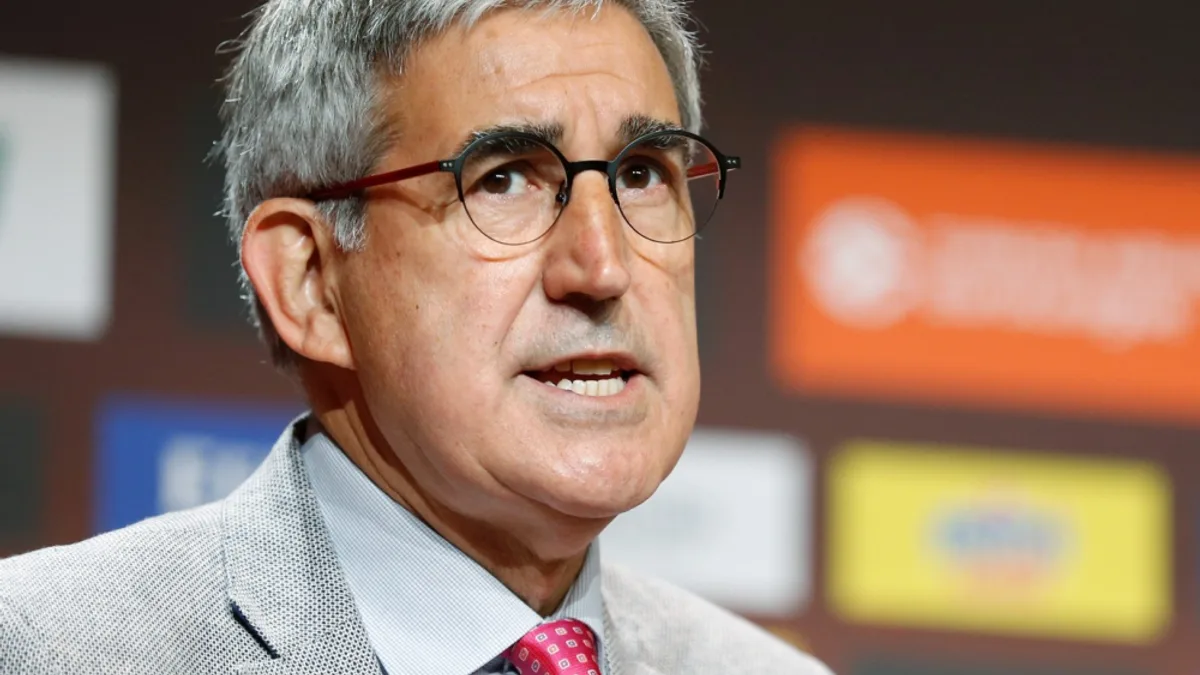
The man who ran the EuroLeague for two decades now says the NBA’s proposal would send the club game back to where it started. Jordi Bartomeu, the EuroLeague’s chief executive from 2000 to 2022, has come out publicly against the American offer in recent days, and he named Belgrade clubs among those that could suffer.
Serbian media carried his words as statements to the Catalan radio station RAC1 and to a Catalan television channel, so it is unclear which conversation came first. The substance is the same in both.
What was decided at Lake Como, and what comes next?
EuroLeague shareholders unanimously rejected the NBA’s offer at a meeting on Lake Como on October 6. Negotiators are expected to return to the table soon with new proposals, and Bartomeu gave his assessment in the gap between the two rounds. We have written before about EuroLeague franchises and the cities mentioned as first candidates, among them Valencia, Dubai, Paris and PAOK.
Bartomeu does not claim that working with the Americans is a bad idea in itself. He recalled that the talks he led with the NBA were about a partnership, but he does not see this proposal, in its current form, as cooperation.
“The talks I held with the NBA, with whom we had good relations and did a lot together, were about cooperation. In the form in which this has now been presented, it is worrying. It is hard to see what positive could come out of it for European basketball,” Bartomeu told RAC1.
Who decides the competition’s future?
Control is the biggest problem. The clubs founded the EuroLeague 26 years ago, after the split with FIBA, so they could decide their own fate, and Bartomeu believes the NBA proposal would end that principle.
“All these years, the clubs have decided their own future,” he said. “The NBA’s proposal clearly puts an end to that and takes us back to the start.”
Speaking to the Catalan television channel, he added a comparison with the past: “Now it is called the NBA, back then it was FIBA, but in the end the clubs will once again do what someone tells them to.” What worries him about that, he said, is “a very serious step backwards.”
Why does he mention Belgrade clubs?
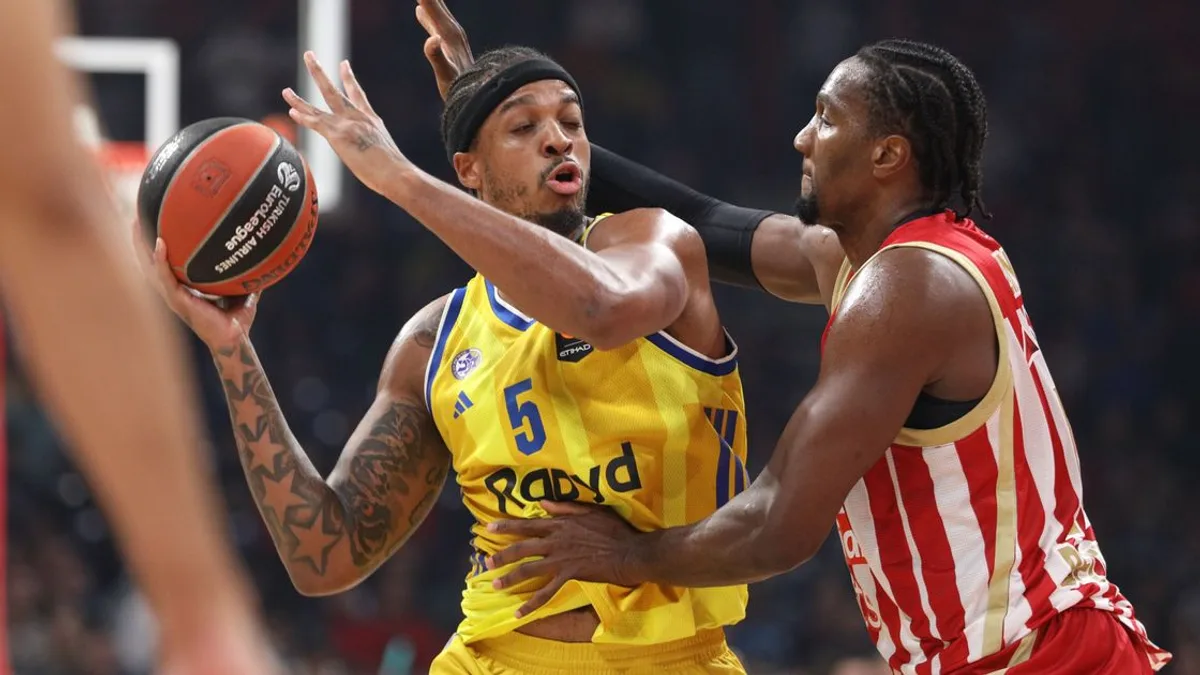
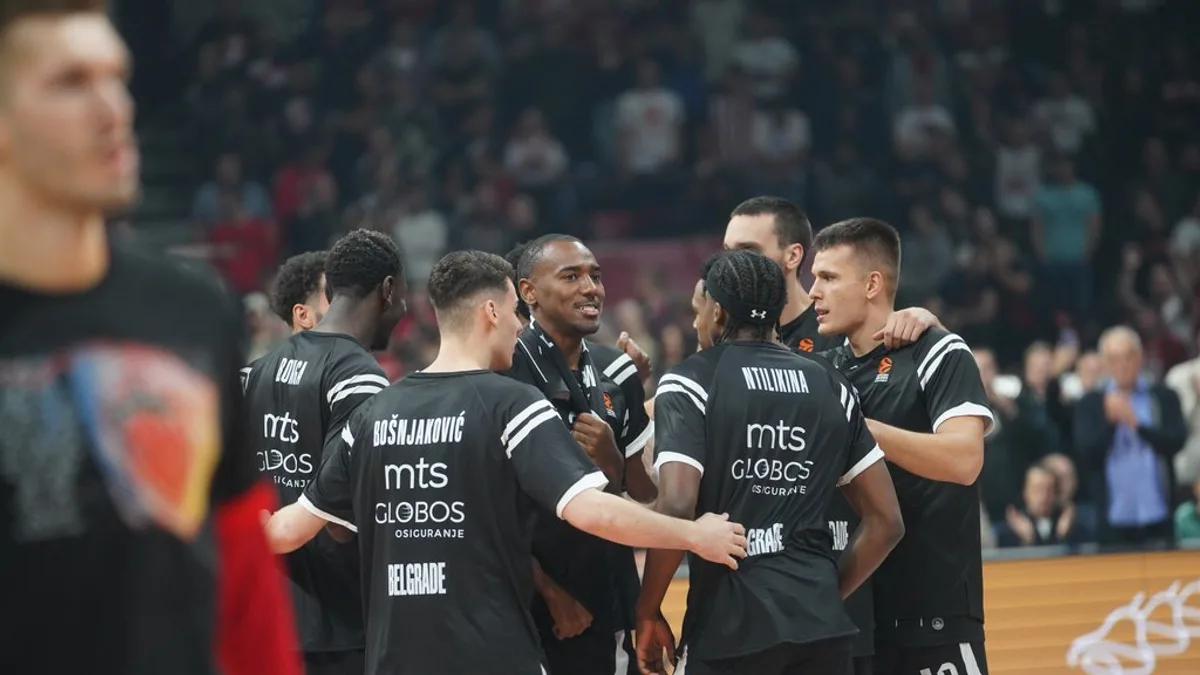
Bartomeu does not dispute expanding European basketball into new markets, London included. His condition is that it must not come at the expense of the clubs that spent decades building the competition’s reputation, and as examples he named Olympiacos, Zalgiris, Maccabi and Belgrade teams. He did not name Partizan or Crvena Zvezda, and spoke about Belgrade clubs in general.
Money bothers him in particular. By his account, some clubs would pay far more to take part than they would receive.
“That Barcelona, Olympiacos or Real would have to pay to play in a competition they built themselves does not seem logical or reasonable to me. And it is completely unacceptable that they would receive for it an amount ten times smaller than what they would later have to pay.”
He also described the gap between the two worlds as a matter of culture, not only arithmetic.
“Here we are doing sport and trying to run a business so we can keep that sport alive. Over there, there is a business world that uses sport as a vehicle for business. It is a radically different culture. I will not say which is better or worse, but our teams, clubs and fans are used to the tension of sporting competition, not business competition.”
Bartomeu also voiced doubt that the project can launch as early as 2027, as has been speculated. Today’s EuroLeague, he noted, is far more complex than when it was founded in 2000, and in his estimate that deadline could also serve to keep pressure on potential investors.