Trump and Zelensky in Ankara: Kyiv Pleads for Patriots
On the sidelines of the second day of the NATO summit in Ankara, the American and Ukrainian presidents sat down together, while allies confirmed a military aid package worth 70 billion euros.

- Trump and Zelensky held a bilateral meeting at 2:30 p.m. on the sidelines of the NATO summit in Ankara.
- Kyiv is asking for new Patriot systems and missiles as soon as possible and in the largest possible numbers, citing intensified Russian strikes on its cities.
- NATO confirmed a package of 70 billion euros, roughly 80 billion dollars, in military aid to Ukraine for 2026 and 2027, though the United States is not funding it.
- Trump announced the lifting of sanctions on Turkey and the resumption of stalled F-35 fighter jet sales.
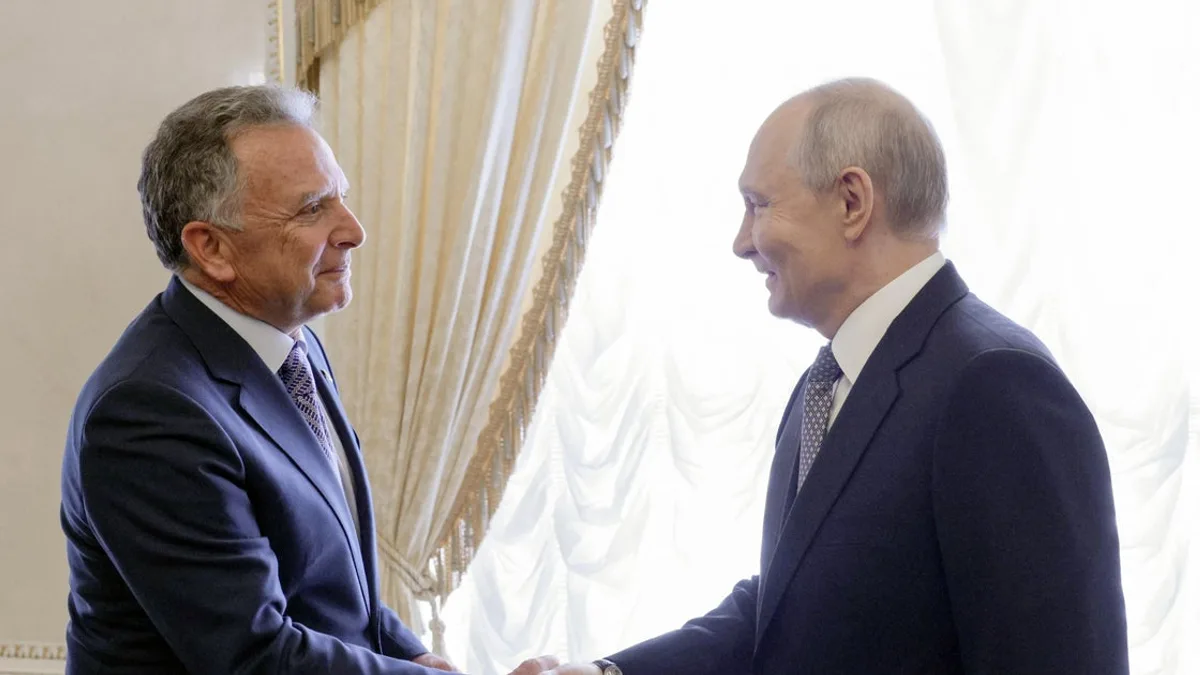
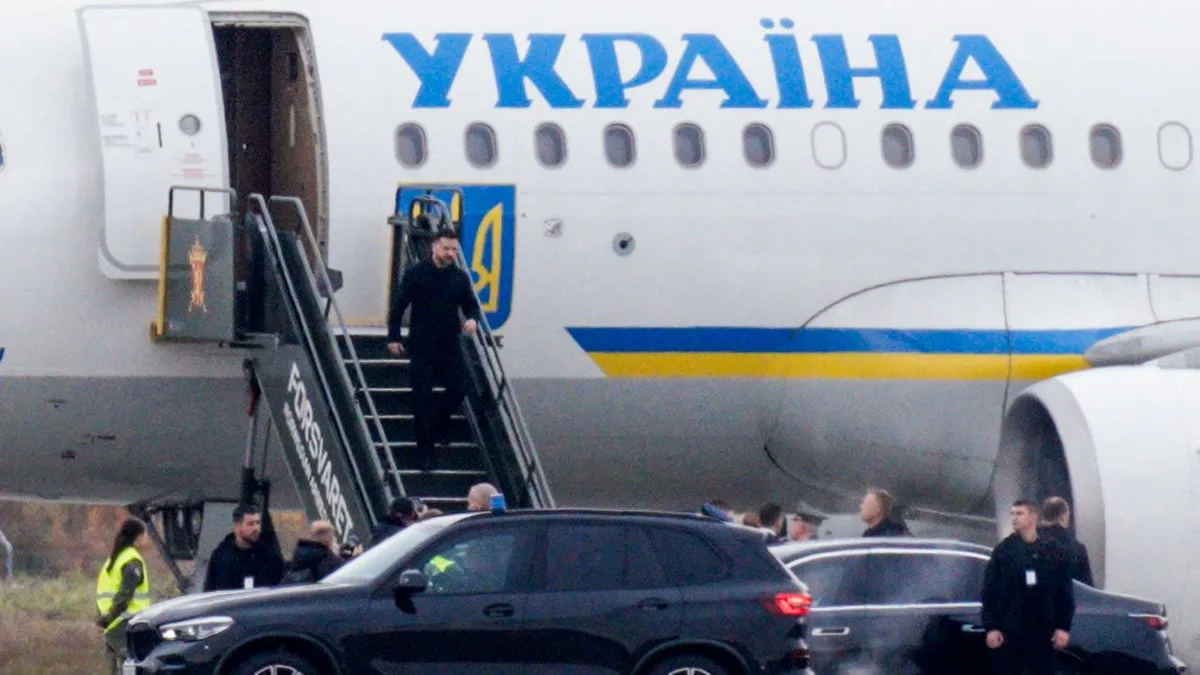
For Serbia, which still builds its foreign policy on military neutrality while tying its economy ever more closely to the currents around it, what is unfolding in Ankara is no distant episode of great-power theatre, because the same summit brings together three questions that touch us directly: the West’s posture on the war in Ukraine, the future of the transatlantic bond under Donald Trump, and the role of Turkey as a neighbour of the region with deepening influence in the Balkans. It was in Ankara, the capital of that Turkey, that on the second day of the NATO summit American President Donald Trump and Ukrainian President Volodymyr Zelensky met face to face once more, in an encounter scheduled for 2:30 p.m.
Zelensky walked into that conversation with a clear list. Kyiv is seeking additional Patriot air defence systems and, more importantly, missiles for them, as fast as possible and in the largest numbers possible, because Russian strikes on Ukrainian cities have intensified in recent weeks while stocks of interceptor missiles have grown dangerously thin. The Ukrainian president repeated the message at a defence-industry forum alongside the summit, insisting that securing missiles for the Patriots is now the single most important item on the table.
Ankara as the stage for new transatlantic bargaining
The alliance’s answer came in the form of a memorable figure. NATO confirmed a military aid package for Ukraine worth 70 billion euros, roughly 80 billion dollars, spread across 2026 and 2027. The political accent, however, lies in what is not visible at first glance: the package is not funded by the United States but shouldered by the alliance’s European members. That continues the line Trump has pushed since last year’s pledges on defence spending, namely that Europe pays for its own security while Washington keeps the role of arbiter.
In Ankara, Trump made no effort to soften that logic. Before the assembled leaders he called Spain a terrible partner in NATO, singling it out as an example of a member that fails to meet agreed obligations. The tone the American president uses with allies remains what it has been: transactional, stripped of diplomatic cushioning, with the clear message that he measures loyalty by contribution rather than by the history of the alliance.
To the summit’s host, Turkish President Recep Tayyip Erdogan, Trump offered two substantial rewards at once. He announced the lifting of sanctions on Turkey and the resumption of stalled F-35 fighter sales, opening a chapter that had been frozen for years over Turkey’s purchase of Russian S-400 systems. For Ankara it is confirmation that a patient policy of balancing between Washington and Moscow pays off, and it is precisely this geopolitical reality that Belgrade watches closely, since it seeks to preserve a similar room for manoeuvre of its own.
What does the Ankara meeting mean for Serbia?
For a Serbian audience, the most important thing is not whether Zelensky gets exactly as many Patriots as he asks for, but what this summit says about the rules of the game being set for the whole continent. If Europe takes on the financial burden of aiding Ukraine, the sanctions regime against Russia remains the backbone of Western policy, and Serbia, a country that has not imposed those sanctions, finds itself under constant pressure to choose sides. At the same time, the American rapprochement with Turkey shifts the balance of power in southeastern Europe, precisely where Serbian and Turkish interests intersect, from Bosnia to Kosovo.
Ankara, then, is far more than a single handshake before the flags. It is a place where a new map of responsibility within the Western bloc is being drawn in real time, with Europe paying, America setting conditions and Turkey returning to the front row. The open question is not only how many missiles will reach Kyiv, but how countries that, like Serbia, do not sit at the head table will navigate this new division of roles. Where do you see Serbia’s place in the alliances now being redrawn?