North Korea Fires Missiles, Trump Announces Kim Summit
Pyongyang fired around ten short-range ballistic missiles as the shortened US-South Korea drill wound down, while Trump announced a meeting with Kim Jong Un by year's end.

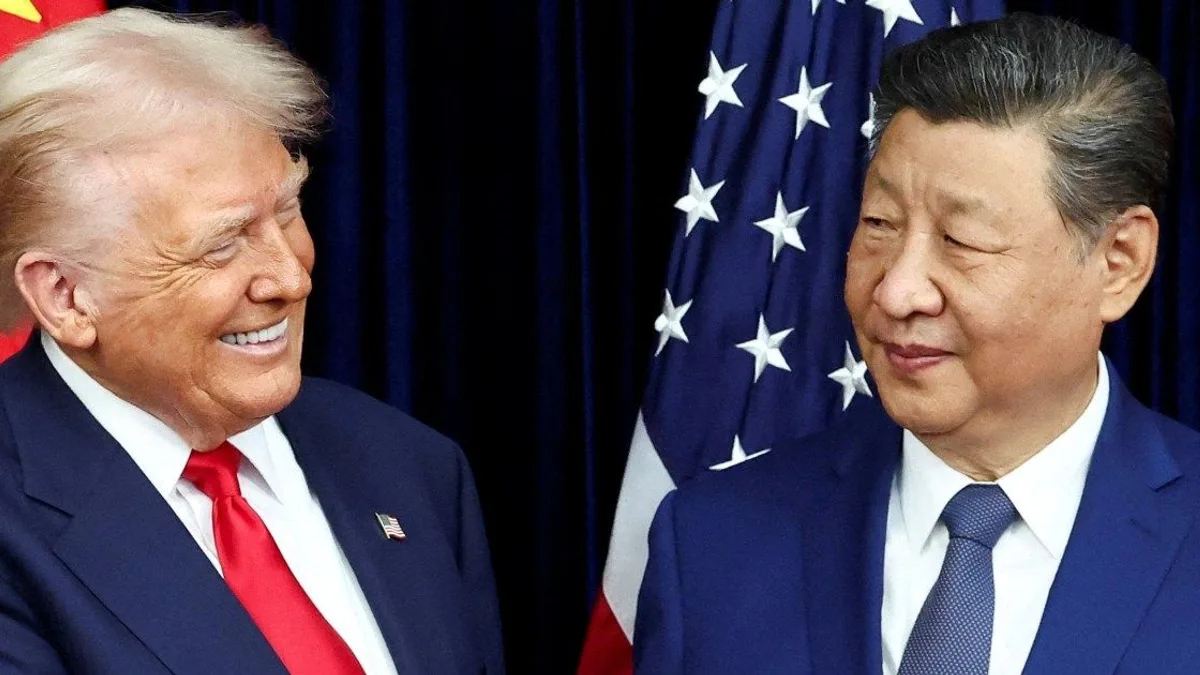
North Korea fired about ten short-range ballistic missiles from the wider Pyongyang area on Thursday, just as the shortened joint United States and South Korea exercise Ulchi Freedom Shield was winding down, and as US President Donald Trump announced a meeting with leader Kim Jong Un before the end of the year. For Belgrade, which has built its foreign policy for decades on balancing between major powers, the episode on the Korean Peninsula carries a familiar message: Chinese Foreign Minister Wang Yi, in Seoul that same day, urged South Korea not to pick a side between Beijing and Washington, a formulation that sounds familiar to any country trying to stay outside bloc politics.
The launch took place around 5 p.m. local time, and the projectiles flew about 300 kilometers before landing in the sea east of the Korean Peninsula, South Korea’s Joint Chiefs of Staff said. Defense Minister Ahn Gyu-back told lawmakers the weapons were 600 millimeter multiple rocket launchers, a system Western analysts track under the designation KN-25 and which Pyongyang has previously claimed can carry tactical nuclear warheads. Ahn also said that same day that North Korea holds between 80 and 120 nuclear warheads.
Emergency Session in Seoul
South Korea’s presidential National Security Council called an emergency session immediately after the launch, with officials from the defense ministry and the military taking part. The council issued a statement with a clear demand.
“Stop the launches of ballistic missiles banned under United Nations Security Council resolutions.”
Seoul stepped up surveillance after the session and announced closer coordination with Washington and Tokyo. The Japanese prime minister’s cabinet confirmed it had detected a suspected launch from North Korea, joining a string of official reactions that followed within hours.
A Shortened Drill as a Gesture to Pyongyang
The missiles were fired as Ulchi Freedom Shield, the annual joint US-South Korea exercise, was nearing its end. Trump had ordered the drill shortened from 11 days to five. The White House presented the move as a diplomatic gesture toward North Korea, also citing cost savings. Pyongyang has for decades called such exercises rehearsals for invasion and typically responds with weapons tests, and this launch followed that pattern.
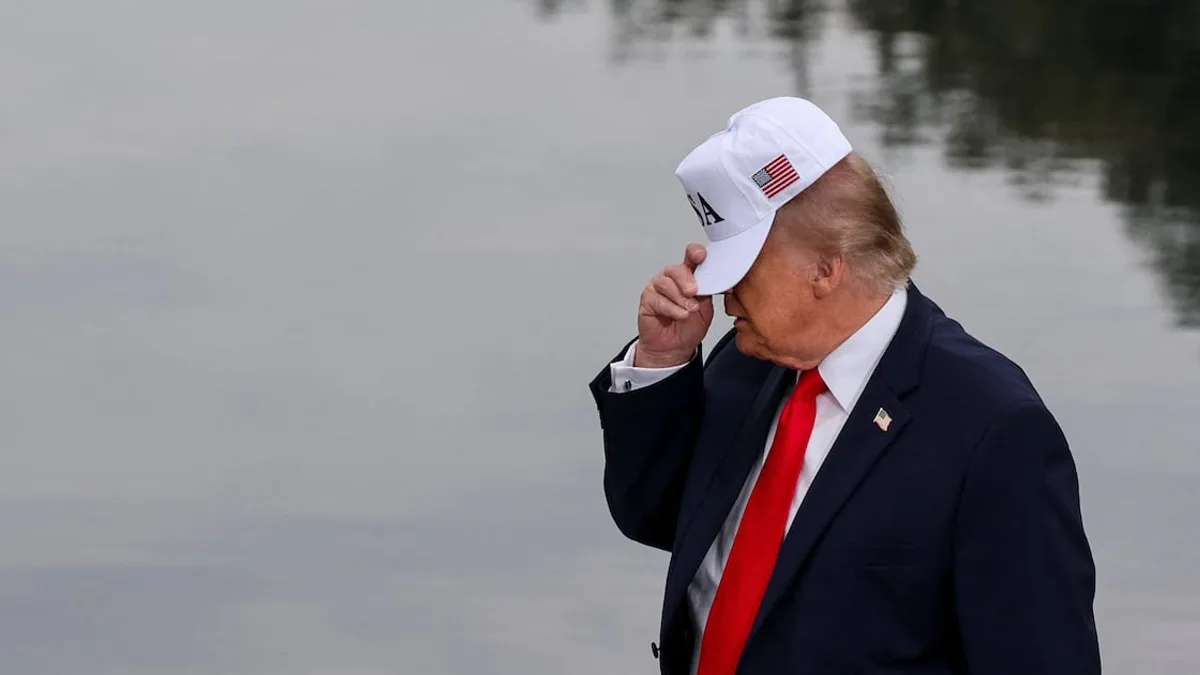
Trump told reporters he would meet Kim Jong Un later this year, though no date has been set. On Monday he claimed he had received a response from the North Korean leader after announcing the shortened drill. Kim Yo Jong, Kim Jong Un’s sister, denied on Wednesday knowing of any correspondence between the two leaders and said Washington’s hostile policy toward her country had not changed.
Hours after the launch, Kim Yo Jong described Trump’s decision to shorten the drill as “an obvious disaster stemming from an unrealistic and anachronistic view of security,” and said South Korea’s relationship with the United States was one of “master and servant.”
Beijing and Moscow Call for an End to the Hostile Policy
Wang Yi was on a visit to Seoul, where he met national security advisor Wi Sung-lac, when the drill and the launch took place. The Chinese foreign minister said South Korea should avoid choosing sides and should develop relations with both Beijing and Washington at the same time, without contradiction.
“The fundamental solution to the tensions on the Korean Peninsula lies in removing the root of the problem, in the United States abandoning its hostile policy toward North Korea.”
A similar message came from Moscow. Russian Foreign Ministry spokeswoman Maria Zakharova said Russia “can only welcome” Washington’s decision to scale back the scope of its exercises with South Korea.
Earlier this month, before Ulchi Freedom Shield began, North Korea fired a short-range ballistic missile over the Sea of Japan, a day after accusing Tokyo of military buildup in the region. The United States and North Korea have no established diplomatic relations, and no sitting US president before Trump had met a North Korean leader.
The date of any Trump and Kim Jong Un meeting remains unset, and Ulchi Freedom Shield itself officially ends on Friday. Until then, Washington, Seoul, Beijing and Moscow will keep reading the same move in opposite ways, while Belgrade, like any small country avoiding a side, watches how long one great power’s diplomatic gesture can survive next to another’s weapons tests.