Iva Mihailova Extradition: Bulgaria Cites Citizenship
Sofia says it does not hand over its own citizens and that Interpol has issued no red notice, while Macedonian ministers demand that Iva Mihailova be arrested.
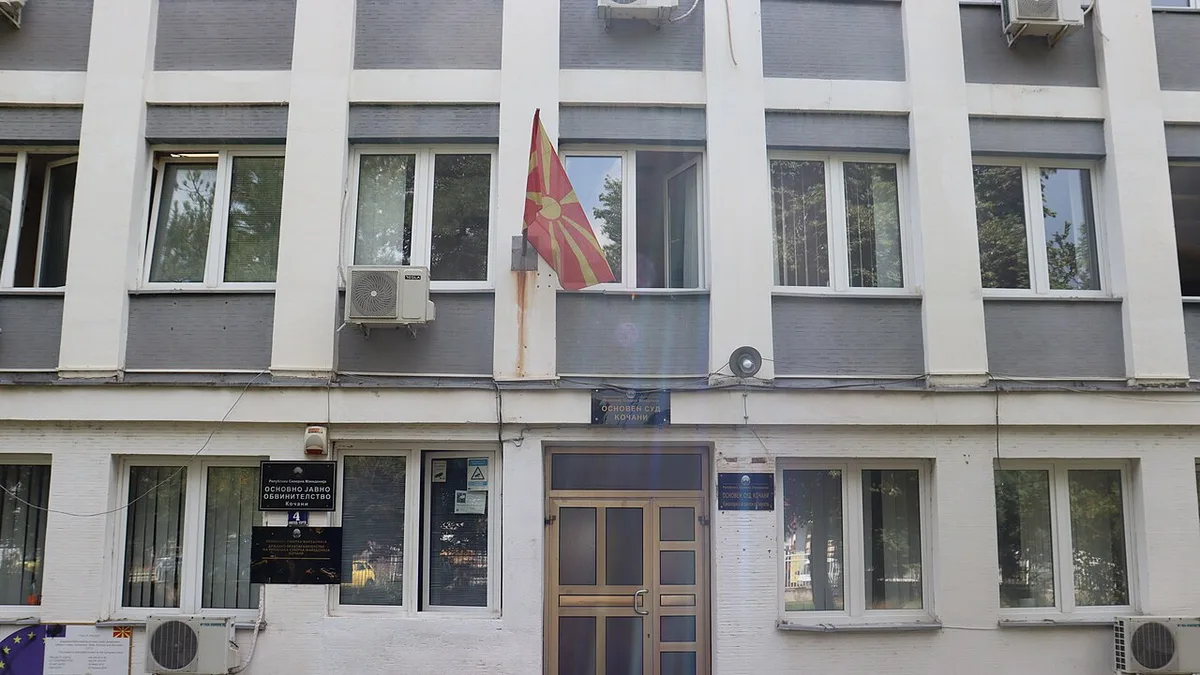
Bulgaria’s Interior Ministry said on October 14 that Bulgaria does not hand over its own citizens and that it has taken no steps to locate Iva Mihailova, a 23-year-old citizen of both Bulgaria and North Macedonia who is on trial in Kocani over a traffic accident in which one person died.
What is Iva Mihailova charged with?
Mihailova holds Bulgarian and Macedonian citizenship. Proceedings against her are under way before the Kocani Court over a fatal traffic accident, and she is charged under Article 300, paragraph 4 and Article 297, paragraph 3 of North Macedonia’s Criminal Code. The court issued an arrest warrant for her on October 13, and the Macedonian authorities asked through Interpol that she be arrested and extradited.
According to the Macedonian agency MIA, Mihailova turned up in Bulgaria over the weekend. We covered the case on October 13, when she claimed she had crossed the border legally.
What is Sofia relying on?
The Bulgarian ministry confirmed that it received a request from Interpol to arrest and extradite Mihailova. It said it has nonetheless not tried to establish where she is, because Interpol has not yet issued a red notice. To justify refusing extradition, it invoked its own constitution and a European convention. In the statement, translated from the English version published by MIA, it says:
We recall that under Article 25, paragraph 4 of the Constitution of the Republic of Bulgaria, no Bulgarian citizen may be surrendered to another state or to an international tribunal for criminal prosecution, unless otherwise provided by an international treaty that has been ratified, promulgated and has entered into force for the Republic of Bulgaria. Article 6, paragraph 1a of the European Convention on Extradition provides: “A Contracting Party shall have the right to refuse extradition of its nationals”.
Has Bulgaria actually refused extradition?
The sources differ here. MIA reports that Bulgaria will not extradite Mihailova. The portal Zurnal.mk says the ministry’s statement, as relayed, does not announce a final decision on the extradition request, but points to a state’s right to refuse to surrender its own citizen. The text of the statement carried by MIA speaks of that right and of the fact that Bulgaria did not look for Mihailova, but it contains no formal decision on the specific request.
How did Skopje react?
Mihailova’s departure for Bulgaria drew sharp criticism from Macedonian officials, who called the situation a direct provocation that undermines trust in the region and interferes with the work of the judiciary. Interior Minister Pance Toskovski and Deputy Prime Minister and Transport Minister Aleksandar Nikoloski publicly urged Bulgaria, as a member of NATO and the European Union, to respect the international warrant, arrest Mihailova and extradite her.
According to the statement of October 14, the Bulgarian authorities did not look for Mihailova, and Interpol has not raised the request to the level of a red notice, which Sofia gives as the reason it has not acted. Until that changes, the proceedings in Kocani continue, while the defendant is in another country whose constitution bars the surrender of its own citizens.