Trump suspends Graham law sanctions and tariffs on Russia
The 100 and 500 percent tariffs and part of the sanctions in the Graham law will not take effect on Sunday. Moscow celebrates, while Kyiv and Congress demand a rethink.
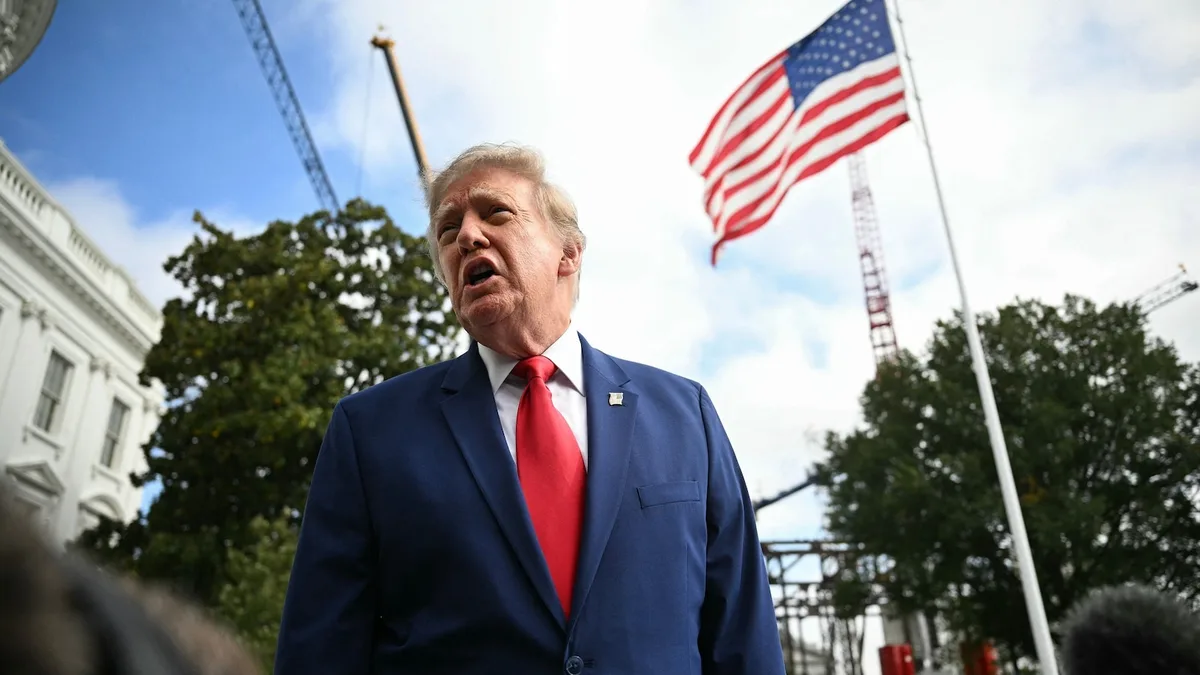
The 100 percent US tariffs on the biggest buyers of Russian oil and gas will not take effect on Sunday, October 18. President Donald Trump suspended them with an executive order signed late on Friday, October 16, along with the 500 percent tariffs on Russian goods and some of the other sanctions in the 2026 Lindsey O. Graham Russia and Iran Sanctions Act.
What exactly was suspended?
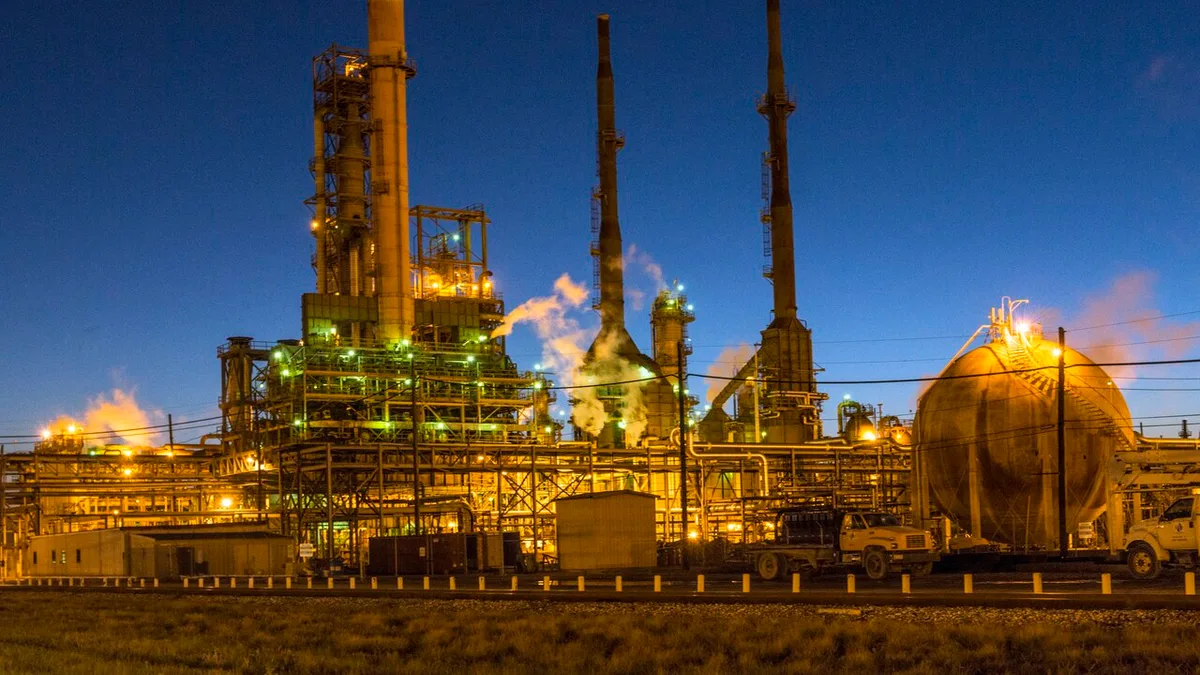
Trump signed the law in September. It is named posthumously after Republican Senator Lindsey Graham, one of Congress’s loudest advocates for Ukraine, who died on July 11, before the text was passed. The law provided for tariffs on imports of Russian oil and gas, sanctions on Russian officials and financial institutions, measures against the shadow fleet of tankers Moscow uses to get around restrictions, a ban on buying Russian sovereign debt, and limits on new investment in Russia. China, India and Turkey are among the countries the tariffs were aimed at.
CBS News reports that the 100 percent tariffs on the five largest importers of Russian crude oil and gas were blocked, along with the 500 percent tariffs on Russian products. RFE/RL assesses that nearly all the substantive sanctions, tariffs and restrictions in the law have been suspended.
The legal basis is a provision that lets the president delay enforcement if he certifies to Congress that doing so is in the national interest of the United States. Trump said he sent such a certification. The law also requires the administration to file a public report explaining its reasons, in unclassified form with a possible classified annex, and RFE/RL says the White House has not publicly laid out the underlying rationale in any detail. Sources familiar with the matter told the same outlet that the administration also missed the October 8 deadline for a written justification to Congress on the tariffs.
The suspension lasts until administration officials judge that a new step is needed, and Trump has told aides to monitor countries that import Russian energy or evade sanctions. The group Razom for Ukraine says the measures have no expiry date. Its advocacy director, Mykola Murskyi, told RFE/RL:
“Astonishingly, these suspensions don’t even have an expiration date.”
How did Moscow and Kyiv react?
Kirill Dmitriev, an envoy of Vladimir Putin, was the first to respond. On Saturday he wrote on social media:
“The suspension of the Graham law by the Trump administration is an important and truly historic moment.”
Ukrainian President Volodymyr Zelensky replied the same day on X, in a post about the effects of a Russian attack on Ukraine’s energy sector. According to the Kyiv Post, Russia launched more than 320 drones, plus cruise and ballistic missiles, between 7 p.m. on Friday and 7 a.m. on Saturday. Zelensky says more than 15 power generation and transmission facilities were hit, and the worst outages in city grids were recorded in Lutsk, Zhytomyr, Vinnytsia and Netishyn. In his post on X he wrote:
“At the very moment when the Russians carried out such a massive attack on our energy sector, a decision was made in America, unfortunately, to completely disregard the Lindsey Graham law, which was supposed to put truly effective pressure on Russia to end this war.”
He went on to warn about what Kyiv expects ahead of winter:
“Russia is trying to plunge Ukraine into darkness, right before winter. Russia is trying to leave millions of our people without electricity and heating. Pressure is needed to stop this. An American sanctions blackout, easing pressure on the aggressor, cash rewards for Putin: all of this only encourages him to keep attacking.”
Zelensky added that the law “could have helped a great deal” and “still can,” but that it has to actually work. RFE/RL reports that he called the decision a gift to Putin.
What came before the decision?
The order comes a week after Trump eased sanctions on Russian diesel and announced a deal with Putin on importing that fuel into the American market. By his account, Russia can deliver 300,000 tons immediately, another 500,000 tons in November, and then a million tons. CBS and RFE/RL link these moves to the administration’s wish to bring down energy prices, which rose because of the war in Iran, and RFE/RL adds that this comes ahead of the November congressional elections.
Last weekend Trump urged Russia and Ukraine to stop attacking energy infrastructure and announced an “energy truce.” Zelensky initially agreed, but this week said Ukraine will no longer hold back from striking Russian refineries. Trump said Zelensky is “not a big fan” of his.
What is Congress saying?
Criticism is coming from both parties. Senator Richard Blumenthal, a Democrat and co-author of the law, wrote on social media that Trump is “confirming once again that he sides with a bloodthirsty bully and an enabler of the Russian war machine,” and went on:
“These suspensions have nothing to do with our national security, and everything to do with sucking up to Vladimir Putin.”
Republican Congressman Don Bacon says: “The president is prolonging the war, not ending it.”
Democrat Gregory Meeks, the ranking member of the House Foreign Affairs Committee, introduced a bipartisan bill on October 16 that would block the Russian diesel deal. In his words, the deal “gives Putin millions of dollars to keep killing Ukrainian civilians with impunity.” A group of senators from both parties earlier this week called the diesel exemptions a betrayal of the people of Ukraine and urged Trump to apply the sanctions and tariffs from the Graham law. In their letter they wrote:
“These authorities call on you to apply economic pressure on Russia and the main enablers of its war, above all China, and so strengthen your negotiating position so that this ruinous conflict is brought to a quick end.”
Daniel Balson, also an advocacy director at Razom for Ukraine, said in a statement:
“Not having the tools to end this war would be a tragedy. Having them and refusing to use them is a cruel political choice.”
The question of the justification is at the center of the debate for now. Max Meizlish, a former official at the US Office of Foreign Assets Control (OFAC) and now deputy director of the Center on Economic and Financial Power at the Foundation for Defense of Democracies, told RFE/RL:
“The question now is what substantive justification the administration gave Congress for suspending nearly every important sanctions and tariff provision in a law that passed with bipartisan support.”
RFE/RL also reports that in the week before the decision Russia sent, according to unofficial figures, more than 700 drones, along with ballistic and cruise missiles, at Ukrainian cities and power plants.