US Orders Non-Essential Staff to Leave Saudi Arabia
The State Department has ordered non-essential employees and their families out of Saudi Arabia as Houthi strikes continue, and Washington is weighing direct strikes on the group in Yemen.
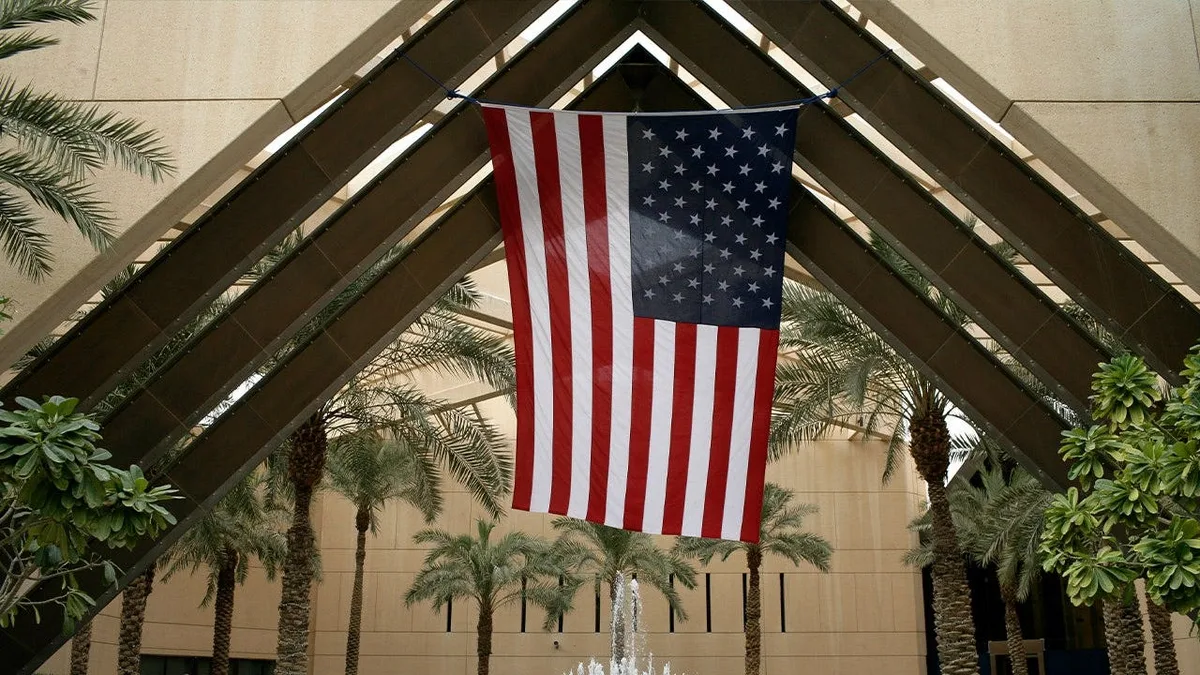
The State Department on Wednesday, October 21, 2026, ordered US government employees who are not essential, along with their family members, to leave Saudi Arabia, as Houthi forces from Yemen keep hitting Saudi airports and oil facilities. A security alert over possible new attacks was also issued in Riyadh the same day.
State Department spokesman Tommy Pigott announced the decision on X:
“The US Department of State has issued an ordered departure for non-emergency US government employees and their family members, in Saudi Arabia only.”
An ordered departure is mandatory, not a recommendation. The US Embassy in Riyadh also warned of the possibility of further Houthi attacks, following recent deadly strikes, including one on the airport in the capital.
Does the departure order cover other Gulf states?
Here the accounts differ. Four US officials told Reuters that US missions in other Gulf states will also order family members to leave. Pigott rejected reports of an evacuation across the Gulf, saying “That is not true” and repeating that the order applies only to Saudi Arabia. Two US officials, meanwhile, said the decision at the Saudi mission could extend to all staff and all families, not just non-essential employees.
In recent months Washington has returned some diplomatic staff to the region, after a drawdown that followed Tehran’s retaliatory attacks on US facilities when the US-Israeli war against Iran began in late February.
What is happening at Saudi airports?
In his post, Pigott described the Houthis as an Iran-backed group:
“The Iran-backed Houthis are increasingly waging hostilities against Saudi Arabia, including attacks on civilian airports and other critical infrastructure, resulting in civilian casualties and serious travel disruptions.”
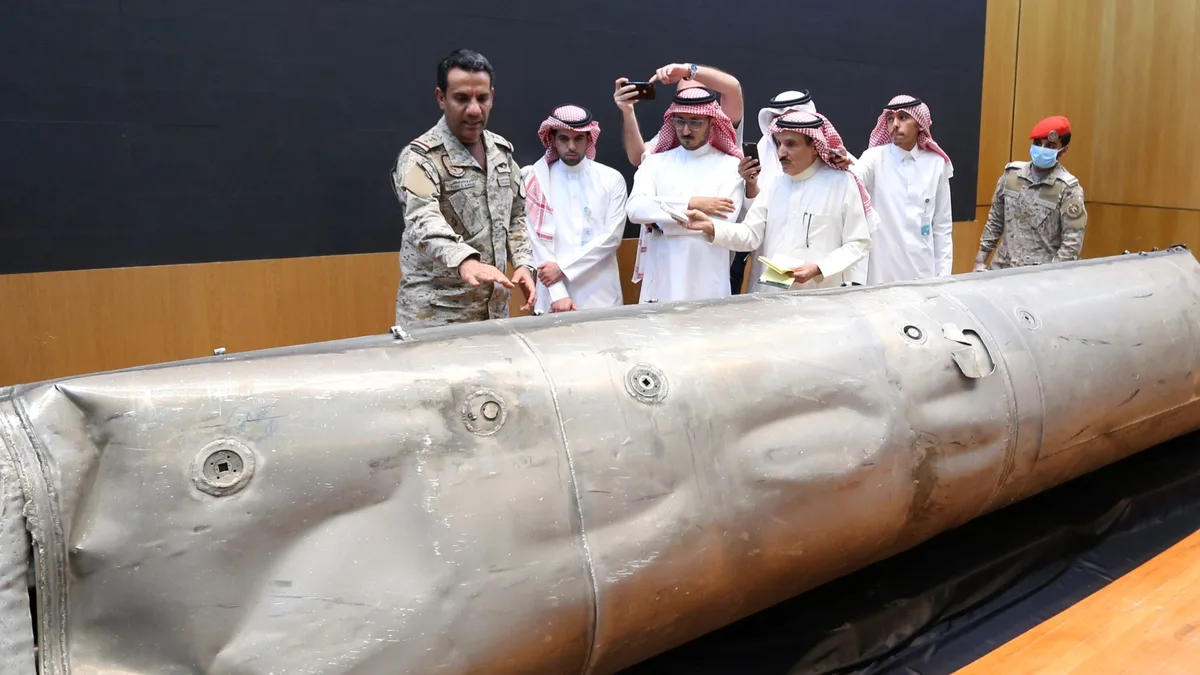
According to data from the ACLED project, Houthi strikes and attempted strikes on Saudi Arabia more than doubled in one week this month. Since October 5, airports in Riyadh, Jizan, Najran, Dammam and Abha have been targeted. The deadliest attack, on King Khalid International Airport in Riyadh, killed at least 13 people and wounded more than 300.
That airport has been closed since October 10, after the heavy attack. On Wednesday only flights of a few Saudi carriers, including Saudia and flynas, were taking off and landing there, two days after Saudi aviation authorities told airlines they could resume operations with prior permission. Lufthansa and Air France have cancelled flights to Riyadh until mid-November. The Houthis acknowledged targeting the airport, claiming without evidence that Saudi Arabia was using it to supply military equipment to Yemeni government forces.
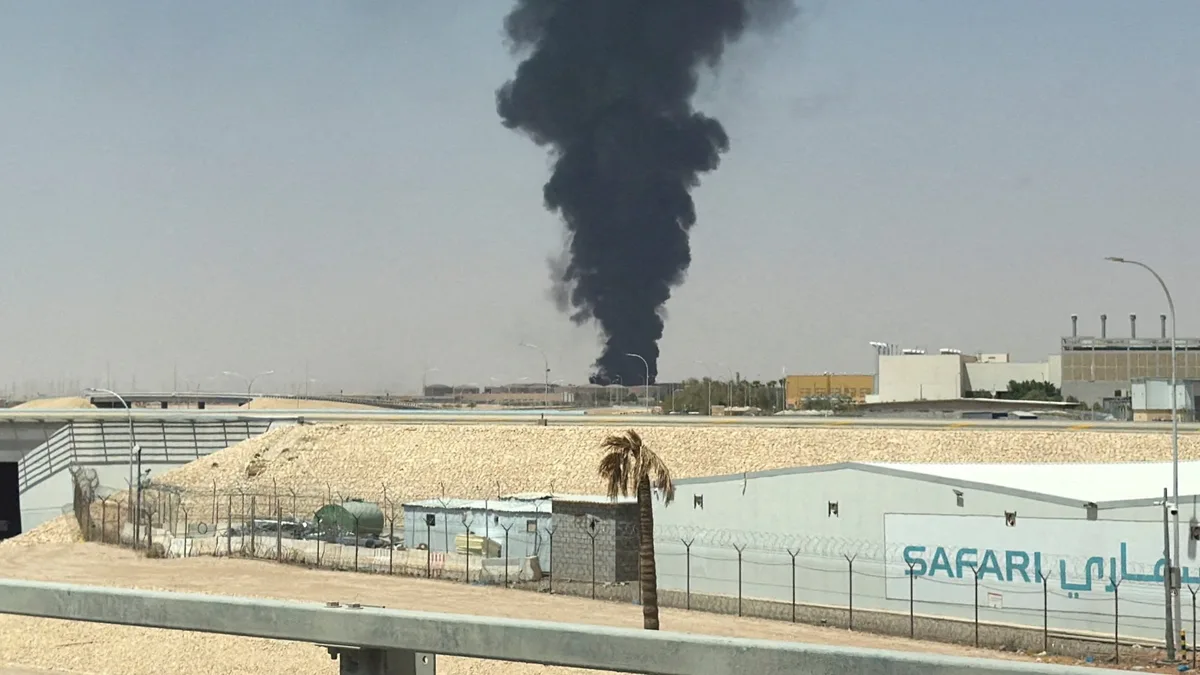
News also came on Wednesday from the Shaybah oil field in the southeast of the country, operated by Aramco. Saudi Arabia’s Energy Ministry told the Associated Press that debris from a downed drone killed two people, citizens of Nepal and the Philippines, and wounded two others, citizens of Pakistan and India. Falling fragments also set a contractor’s vehicle on fire.
What is Washington considering, and what does Riyadh want?
President Donald Trump is weighing direct US strikes on the Houthis. Earlier this month he told reporters the US could join Saudi strikes:
“Maybe. We’ll take a look at it. We’ll decide. We react very quickly.”
The US is already giving Saudi Arabia intelligence support and targeting data. An American air campaign against the Houthis in Yemen lasted about two months in 2025, until Trump halted it after a deal brokered by Oman.
Riyadh has asked Washington for more interceptor missiles, and there are too few to go around. “I spoke to Saudi Arabia today as well, they want interceptors. Israel wants interceptors. We want interceptors. Every country in the world wants interceptors,” Secretary of State Marco Rubio said on Tuesday, calling them “probably the most in-demand product in defense right now.”
Britain announced on Tuesday that it will send Typhoon fighter jets to Saudi Arabia to defend cities and critical infrastructure, Egypt is helping the kingdom, and Israel has offered assistance. Riyadh has also postponed its 2027 FII forum after the Houthi attacks.
Defending such a vast territory is an especially hard task, warns Farea Al-Muslimi, a researcher at the London think tank Chatham House, speaking to Fox News Digital:
“Saudi Arabia is a huge territory to defend, and it speaks to the broader threat we face in the world: a relatively small non-state group can pose a serious challenge even to a sophisticated and extremely expensive military.”
The Houthis, he added, “can impose huge costs without spending much themselves.”