Montenegro to close EU chapters 1 and 12 on November 6
Minister Maida Gorcevic named the date and two chapters in parliament for the first time, and the Commission's indicative plan for the remaining 12 leads to a treaty signing in June 2027.
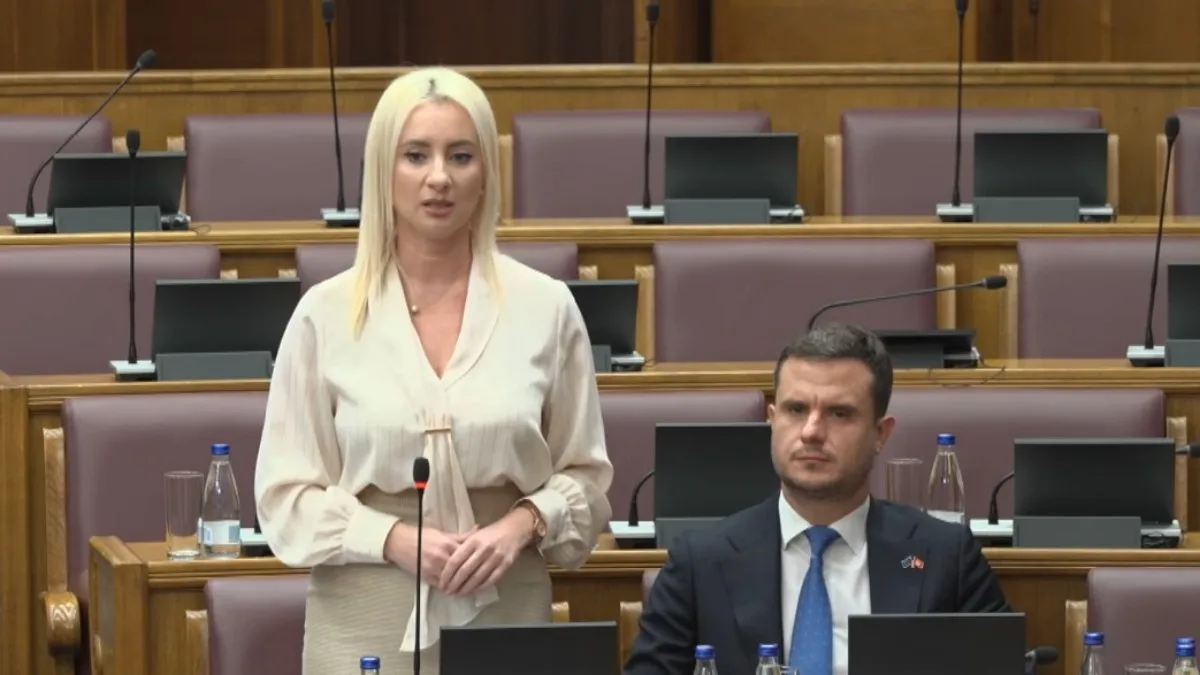
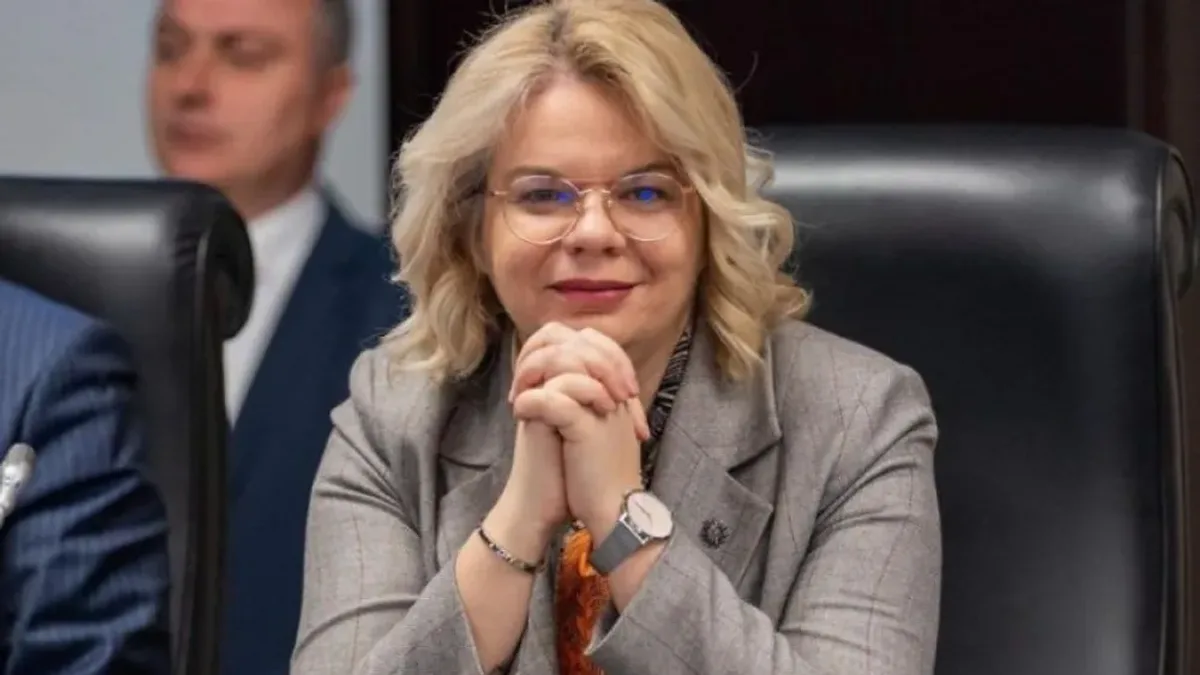
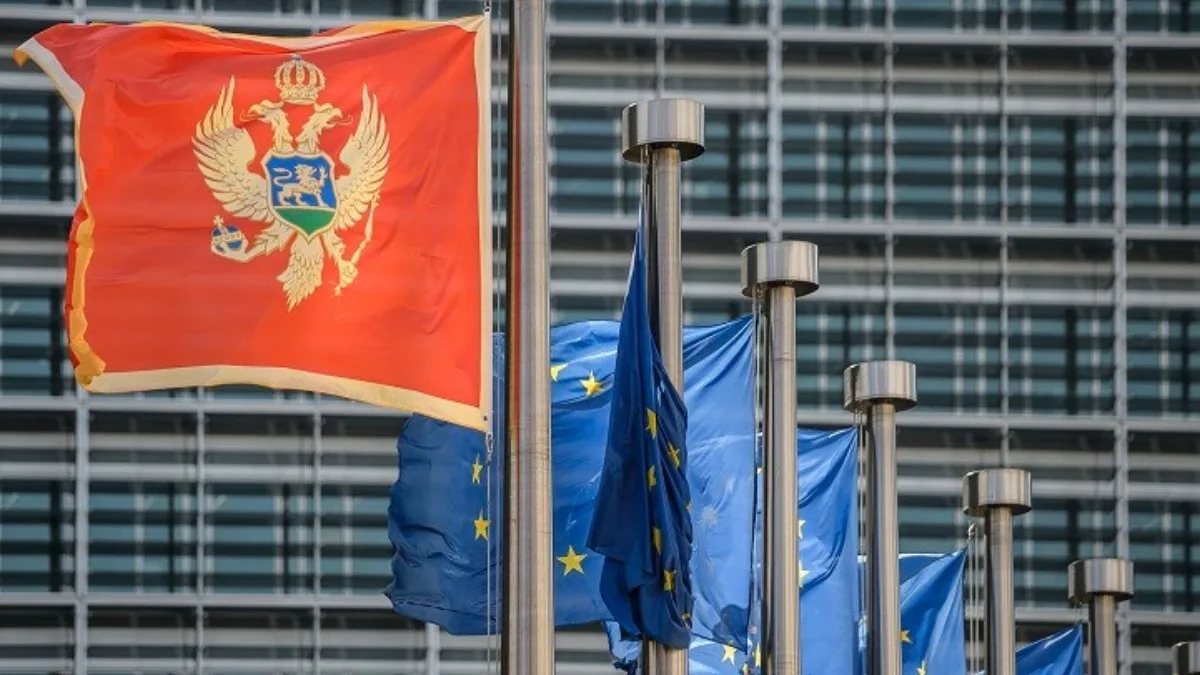
Montenegro’s European Affairs Minister Maida Gorcevic told parliament on November 5, 2026 that the country will provisionally close negotiating chapters 1 and 12 tomorrow, at its intergovernmental conference with the European Union. For Serbia, this matters as a gauge of the pace and the conditions with which Brussels steers the final stretch of talks in a neighboring country.
Gorcevic was answering MPs’ questions, and she said she had received word about the conference only moments earlier.
“I have just received information that tomorrow, at the Intergovernmental Conference, Montenegro is closing two negotiating chapters”
The two are chapter 1, free movement of goods, and chapter 12, which covers food safety, veterinary and phytosanitary policy. She went on: “I believe that, when we talk about the success of this Government and of all of Montenegro, successes just keep coming, Europe now, today and tomorrow.”
How many chapters remain after the November 6 conference?
According to the European Commission’s indicative schedule, which Radio Free Europe has seen, Montenegro has so far provisionally closed 21 of 33 negotiating chapters. Tomorrow’s closure raises that number, and the remaining 12 are slated for two intergovernmental conferences, in November and December 2026.
The schedule lists energy, transport policy, food safety, veterinary and phytosanitary policy, taxation and free movement of goods for November, which includes the two chapters Gorcevic mentioned. December is reserved for financial services, regional policy, environment and climate change, foreign and security policy, financial and budgetary provisions, chapters 23 and 24 on the rule of law, and chapters 34 and 35.
The closure is provisional. Under the negotiating rules, agreement on individual chapters is not final until agreement is reached on all of them.
What comes after the chapters, until the treaty is signed?
The same schedule has the draft accession treaty finished in spring 2027 and signed in June 2027. The Montenegrin government’s goal is membership in 2028, as the Union’s 28th member.
For comparison, Croatia signed its accession treaty in December 2011 and joined the Union on July 1, 2013, less than twenty months later. Montenegro’s plan puts the signature in June 2027, so a similar gap would push membership past 2028. That gap is not fixed in advance, though: after signing, the treaty must be ratified by all member states and by Montenegro.
Why did the State Symbols Law come up in the debate?
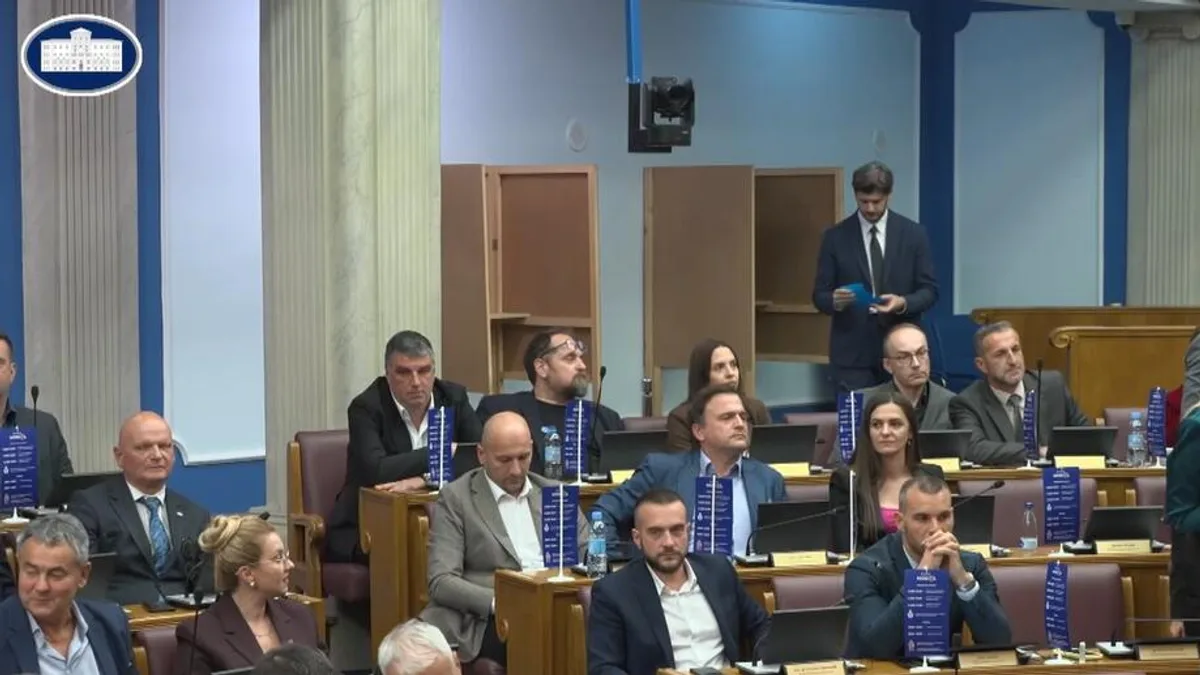
In the same session, DPS MP Aleksandra Vukovic Kuc asked the minister about amendments to the Law on State Symbols and Statehood Day, proposed by SNP MPs Bogdan Bozovic and Sladjana Kaludjerovic. She asked whether those amendments are the last condition for Montenegro’s European integration.
“You say that Montenegro is entering the EU with its state symbols, and I agree with that, but that is exactly why I am trying to get you to explain the meaning of your political partners’ initiative in the governing coalition. Do you support it, and do you think this is the right time for it, given that there are two months left, we hope, until the end of the negotiations and the closing of all negotiating chapters”
Gorcevic replied that the topic is not an obligation on the European path, but that the conversation about it belongs in parliament.
“I think each of those phases means we all get involved and have a lot of work ahead of us. I think these are topics that should be discussed, and that there should be a dialogue about them right here in parliament. But this is not an obligation on the European path, quite honestly”
The minister added that the European Commission report published yesterday showed Montenegro to be the frontrunner of the enlargement process and that a large number of opportunities is opening up for the country.
What does the accession treaty mean for the region?
According to Radio Free Europe, Montenegro’s treaty will be “the first in a new generation” of treaties with stricter safeguards, in line with the pre-accession policy the Commission published on September 30. It provides for monitoring the country right up to the day of entry into the Union, through monitoring tables drawn up twice a year, with a final-resort clause under which accession could be postponed in case of backsliding.
In the document, the Commission stresses that the plan is indicative, that the pace depends on Montenegro’s own progress, and that it does not prejudge the outcome or dynamics of the negotiations, or the decisions of the EU Council, the European Commission or the European Parliament. We previously reported on Brussels’ assessment that talks with Montenegro could be closed in December. Tomorrow’s conference is the first step the minister has publicly tied to a date.