EU halves duty-free steel quota for Serbia from July 1
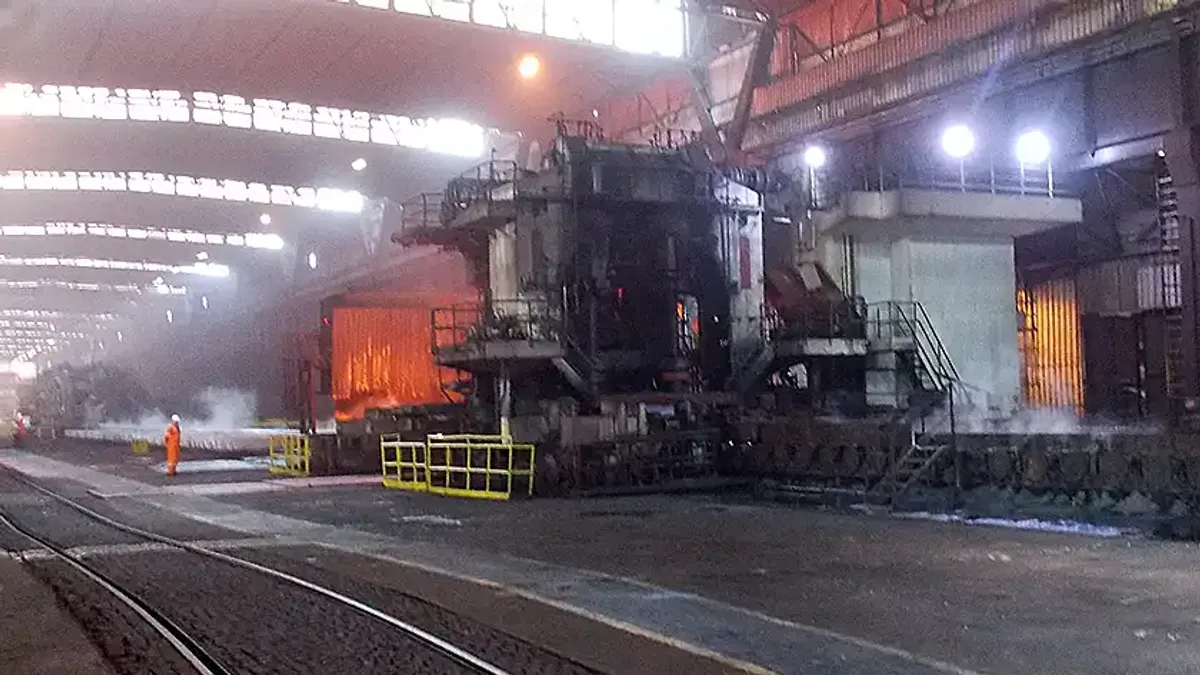
From July 1 the European Union halves Serbia's duty-free steel quota and doubles the tariff on volumes above it, a blow that lands squarely on Smederevo steelworks.

- From July 1 the EU halves Serbia's duty-free steel quota, from about 820,000 to roughly 410,000 tonnes a year.
- The tariff on exports above the quota doubles from 25% to 50%, making over-quota volumes uneconomic.
- The measure hits Smederevo steelworks directly, alongside stricter rules of origin.
- MAT economists name NIS, Germany and the steelworks as the three biggest threats to Serbian industry.
From July 1 the European Union halves the duty-free quota for steel exports from Serbia, from roughly 820,000 to about 410,000 tonnes a year, Biznis.rs reports, citing the bloc’s new steel safeguard regime. At the same time, the tariff on every tonne exported above the quota doubles from the current 25% to 50%, making over-quota shipments uneconomic.
The heaviest burden falls on Smederevo steelworks, whose exports are estimated to match about a fifth of the plant’s annual output. Alongside the lower quota, Brussels is introducing stricter rules of origin that require documentation showing where the steel was first melted and cast, a step meant to stop Chinese and other firms from using Serbian facilities to bypass EU trade barriers.
Why the EU is tightening steel quotas now
The new safeguard regime replaces an earlier system that expires on June 30, and Brussels has framed it as a response to global overcapacity and the pressure of cheap imports. Duty-free quotas for all third countries are being cut to about 18.3 million tonnes a year, roughly 47% below the 2024 quotas. Serbia falls into the same category as other non-EU countries, without the preferential treatment that previously softened the impact.
For the domestic producer the arithmetic is simple: shipments within the quota remain duty-free, but every tonne beyond it carries a 50% tariff that effectively closes the EU market to surplus volumes. That reshapes margin and working-capital calculations in Smederevo, where the European Union is the main export destination.
How big a threat is steel to Serbian industry
Economists at Macroeconomic Analyses and Trends (MAT) rank the steelworks, together with NIS and weak German demand, among the three biggest threats to Serbian industry this year. All three press on exports and output at the same moment, sharpening the risk to industrial production.
Germany, Serbia’s largest trading partner, enters the measure in a weakened state: unemployment has reached 6.6%, the highest in 12 years, and softer industrial demand is cutting orders for Serbian suppliers.
The steelworks, alongside NIS and Germany, ranks among the biggest threats to Serbian industry, MAT economists assess.
Three pressures overlap:
- Steel: a halved quota and a 50% tariff on the surplus
- NIS: operational difficulties in the oil sector
- Germany: record unemployment and falling demand for Serbian exports
How do you think the government should respond to the EU quota pressure on Smederevo steelworks?