Diesel Price in Europe Tops Jet Fuel, Hits $1,304 a Ton
The price of diesel on the Frankfurt exchange climbed to $1,304 a ton, above the 2022 record, while jet fuel stays cheaper amid a fuel shortage in Europe.

The price of diesel on the Frankfurt exchange climbed to $1,304 a ton on August 18, about $76 above the 2022 record and just $114 below this year’s March peak. The last time diesel traded that high was in June, when it cost $869 a ton, well below today’s price. Poland’s Orlen quoted diesel at $1,787 a ton that same day, August 18, a gap that shows how much prices differ from market to market within Europe itself.
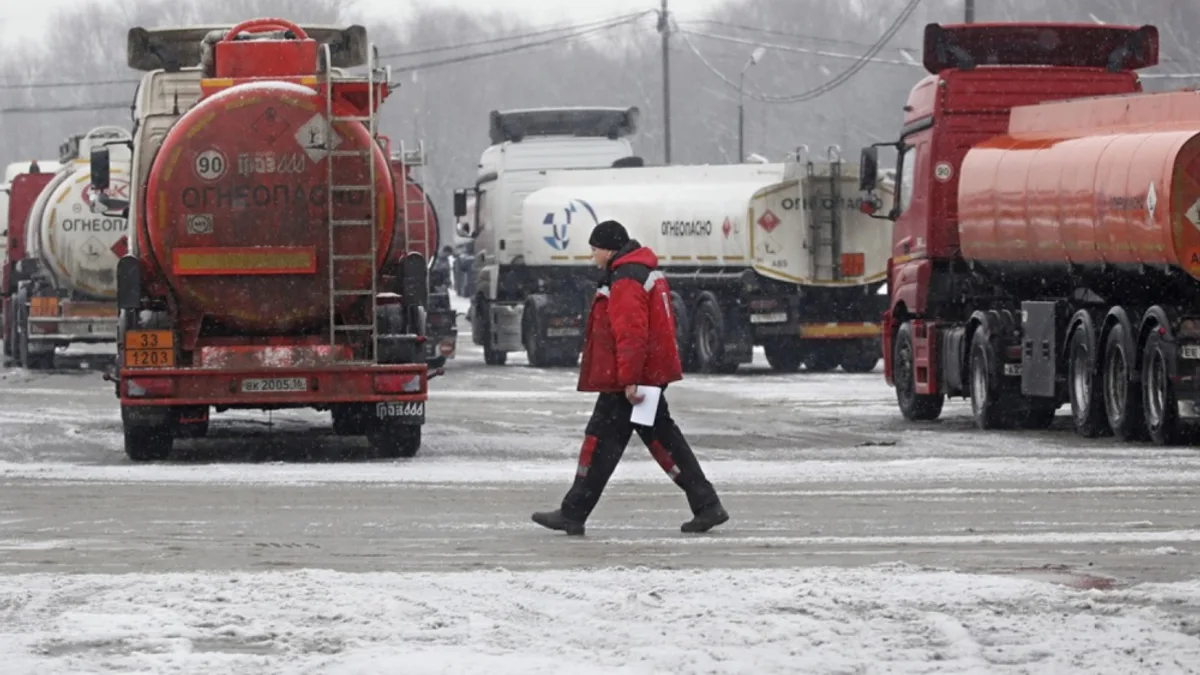
The paradox is that diesel on Europe’s wholesale market has become more expensive than jet fuel, even though it is usually the other way around. The reason is not that jet fuel got cheaper. It is that diesel is running short at the exact moment transport, agriculture and industry need it most.
Why has jet fuel stayed cheaper than diesel?
Jelica Putnikovic, editor of the Energija Balkana portal, explains that the core issue is that diesel got expensive much faster than jet fuel, not that jet fuel got cheaper.
“We have wholesale prices for these, the same way we have wholesale oil prices. Jet fuel simply rose in price less than diesel, and that’s why diesel overtook jet fuel in price,” Putnikovic explains.
According to her, the cause lies in a string of parallel crises: the conflict in the Middle East, Europe’s imports of refined oil products, and problems at Russian refineries. Russian refineries damaged in the war cannot process enough crude into diesel, even though there is enough crude oil available to refine.
“The problem isn’t that they lack crude oil, it’s that they have nowhere to refine it,” Putnikovic says.
Danube barges and pricier tanker insurance
Low water levels on Europe’s rivers are complicating transport further. A large share of the fuel that comes into Europe arrives via the Danube, and barges now have to carry smaller loads than usual.
“We import fuel via the Danube on barges. Because of the low water level, they now have to carry less cargo. Rivers across Europe have pretty much dried up,” Putnikovic says.
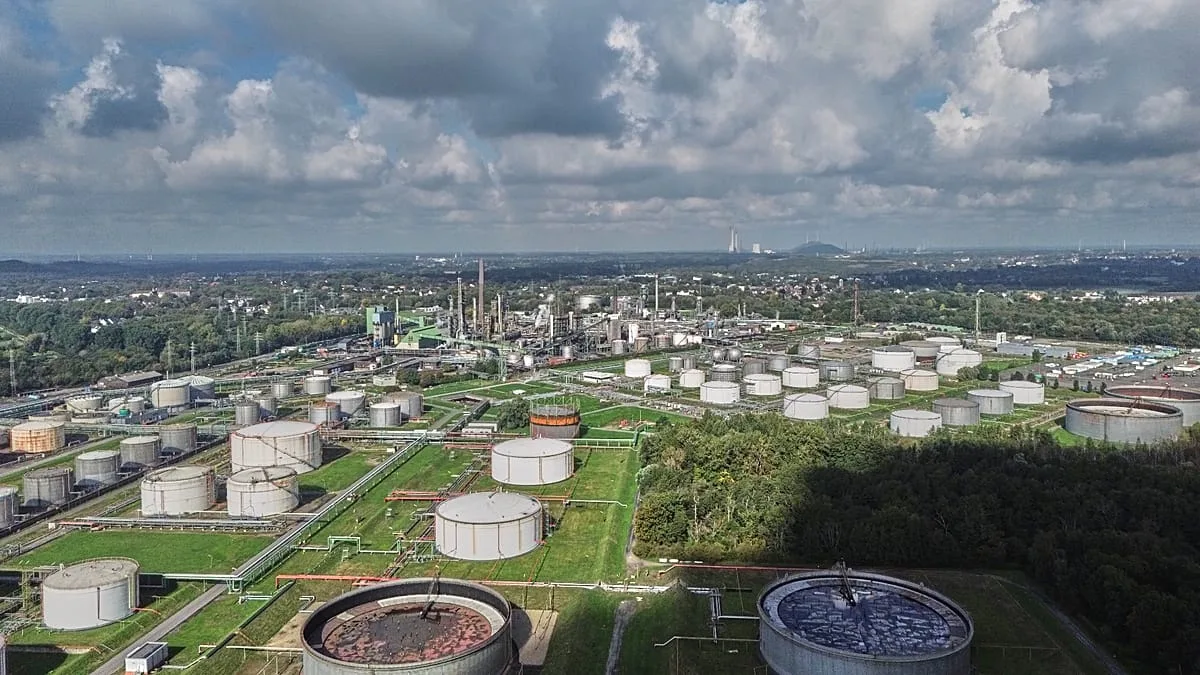
River transport is cheaper than rail or trucking, so any restriction on the rivers pushes up the cost of the entire supply chain directly. On top of that comes the rising cost of insurance for tankers sailing through the Strait of Hormuz, through which, Putnikovic says, smaller volumes of oil now pass than before the war, even though the strait is no longer the world market’s only bottleneck.
Russian news agency EADaily reports that the situation has been made worse by a drop in Russian diesel exports to foreign markets and the continuing conflict between the United States and Iran. According to that agency, disruptions are also hitting the crude oil supply side: drones have attacked another tanker owned by a Greek shipowner in the past few days, one carrying Kazakh oil through the Black Sea, despite an earlier promise from Ukraine’s president to the US vice president that attacks on tankers would stop.
Jet fuel got more expensive too, but supply is still adequate
Petar Vojinovic, founder of the company Tango Siks, warns that jet fuel is not cheap, it is simply well supplied on the market right now. The most common type, Jet A-1, is produced and stored under strict standards and must keep working at temperatures below minus 40 degrees.
“It has gotten dramatically more expensive,” Vojinovic says, adding that availability today owes to a decision made nearly a decade ago: “It’s available because there was a strategic shift a few years ago, maybe even a decade ago.”
Over that decade, refineries increasingly turned toward producing jet fuel instead of diesel, and additional supply today comes from alternative sources ranging from North America and Scandinavia to Africa. Demand for air travel, meanwhile, has not fallen.
“Jet fuel consumption has followed a genuinely positive trend that has been a lifeline for airlines: demand for air travel hasn’t dropped at all. It keeps rising,” Vojinovic explains.
What does this mean for Serbia?
Unlike jet fuel, diesel drives the domestic economy directly: trucks, farm machinery and construction equipment all run on it. Putnikovic warns that demand in Serbia will keep rising in the coming months.
“If we’re talking about Serbia now, we have all this construction work going on, and the autumn harvest is coming soon, meaning higher demand for diesel,” Putnikovic notes.
Retail pump prices in Serbia are regulated, with the state setting the maximum allowed price, so a rise in the wholesale price does not pass through to the pumps automatically. How long the economy can withstand this pressure depends, in Putnikovic’s assessment, mainly on the price of crude oil.
“As long as oil stays under $100 a barrel, I think this situation will keep working itself out slowly,” Putnikovic assesses, adding that even a drop in Russia’s own need to import diesel, without any resumption of exports, would ease pressure on the wholesale market.
Srpske novine has previously reported on refinery margins climbing to $100 a barrel of oil. Current data shows that pressure from those margins is now shifting onto diesel itself, at a moment when Europe depends more than ever on imports of finished fuel products.