Macron asks EU to ease diesel and jet fuel rules
French President Emmanuel Macron asked EU chief Ursula von der Leyen to ease fuel quality rules, as 14 percent of French gas stations ran dry or nearly dry on September 22.

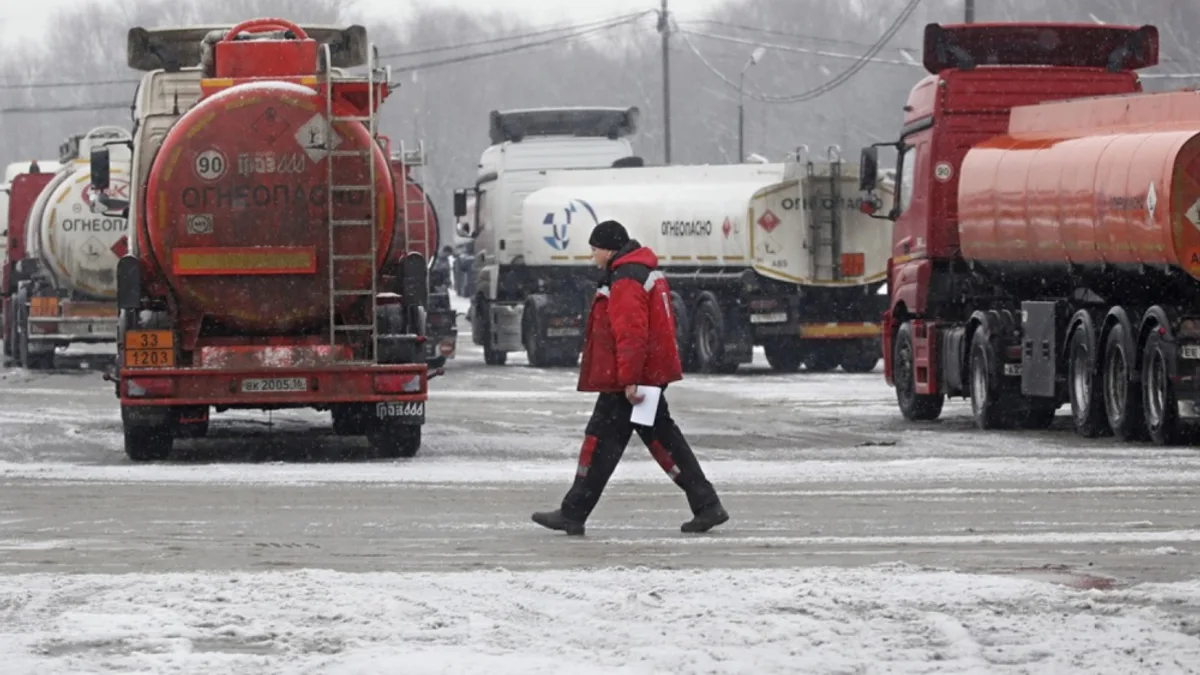
At nine in the morning on September 22, 14 percent of gas stations in France were either out of fuel or close to running dry, according to data released that day by the French government. That figure sits behind a letter President Emmanuel Macron sent to European Commission President Ursula von der Leyen, asking Brussels to temporarily loosen a handful of fuel quality rules so supply on the market can be increased quickly.
The letter is dated September 18. French broadcaster BFMTV was first to report on its contents, saying it had seen the document, while Euronews also says it viewed the letter. Both outlets cite the same figures and the same requests, so the difference between the two sources comes down to who published first, not to what they reported.
What exactly Macron is asking for
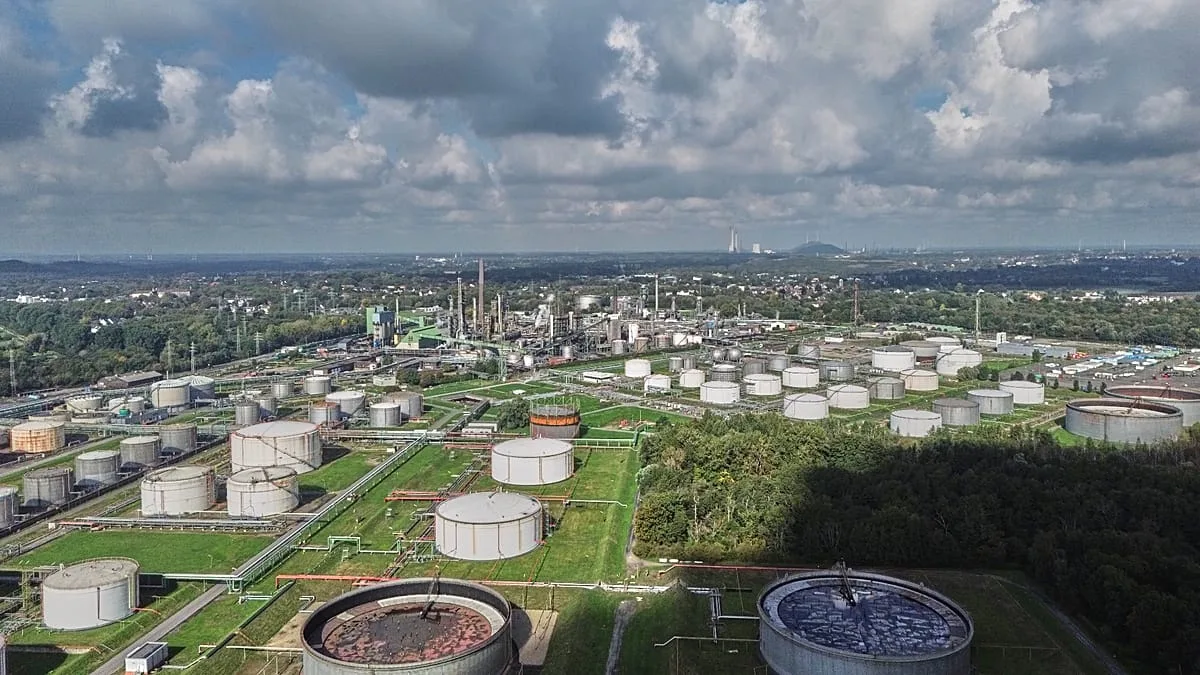
Macron’s first request is to ease European standards on density, volatility and desulfurization for diesel and jet fuel. According to him, such a change would let refineries produce 5 to 20 percent more fuel, depending on the plant, without building new capacity. Under his proposal, the Commission would need to coordinate the move with carmakers so that looser standards do not damage engines or fuel infrastructure. France points to a precedent from the COVID-19 pandemic, when the Commission already eased part of the fuel specifications temporarily.
A second request calls for wider use of B10 diesel, which contains up to 10 percent biodiesel, in place of the standard B7 blend, which contains up to 7 percent. Here too, limits would need to be agreed separately with vehicle manufacturers, since not every engine is built for a higher share of biofuel.
The third element concerns the EU’s methane law. Starting January 1, 2027, companies importing crude oil, natural gas and coal into the EU must prove that their suppliers measure and control methane emissions under rules equivalent to the EU’s own. France wants that obligation pushed back a year, to January 1, 2028. The Commission has already proposed delaying financial penalties for non-compliance until the end of 2029, but Paris argues that the reporting obligation alone, even without penalties, creates legal uncertainty for importers at a moment when Europe is already short on fuel.
Macron is also proposing that the EU’s joint gas-buying mechanism, set up after Russian supply cuts, be extended to diesel and jet fuel, which would give the bloc greater bargaining power when purchasing these products.
Why this is happening now
Behind the request is a drop of more than 500 million barrels in global oil stocks, combined with the near total closure of the Strait of Hormuz since March 2026. The market has so far been kept steady by higher refinery output, weaker demand in Asia and the drawdown of existing reserves, but Macron warns that buffer is being used up fast. In recent weeks, he says, attacks on energy infrastructure in Russia and the Middle East, together with a rebound in Asian consumption, have again worsened supply.
If the Strait of Hormuz stays closed and Saudi Arabia’s East-West pipeline does not come back online, Macron estimates that depleting Saudi reserves could take at least 4 million barrels of oil and refined products off the market each day, which he says could trigger a sharp price spike. Europe is especially exposed, since the Middle East supplies 36 percent of the EU’s jet fuel imports and 18 percent of its diesel imports.
It is also important not to weaken European production capacity while we prepare for long-term supply difficulties.
That is what Macron wrote in his letter to von der Leyen, according to Euronews, explaining why he believes the EU cannot afford to wait for the Strait of Hormuz crisis to ease on its own and must put existing refinery capacity to use right away.
How Brussels responded, and what came before the letter
The European Commission said on Tuesday that possible fuel shortages in member states are high on its agenda and that the issue will soon be discussed at a high level meeting with industry representatives and officials from member states. It has not yet given a specific response to Macron’s three requests.
Srpske Novine previously reported that the price of Brent crude fell to $102.09 a barrel, with WTI dropping below $100, so the price decline was unfolding alongside a deepening problem in physical fuel supply, the same issue now raised in Macron’s letter. That gap, falling crude prices on the exchange against shortages at the pump, shows the bottleneck sits in refining and logistics, not in the price of the raw material itself.
In the letter, Macron also pushed for faster electrification of transport and lower use of natural gas for heating, as long-term steps to reduce France’s and the EU’s reliance on imported fuel products. Whether Brussels will grant the requested temporary exemptions, and on what terms, should become clearer after the announced meeting with industry.