Hungary-Serbia Oil Pipeline Gets Impact Study Approval
Serbia's Environment Ministry has issued a final approval for the 113-kilometer pipeline, designed to carry 5.5 million tons of crude oil a year.
Serbia’s Ministry of Environmental Protection has issued a decision approving the Environmental Impact Assessment Study for the Hungary-Serbia oil pipeline, a trunk line running from the border to Novi Sad. According to the portal eKapija, the decision is final in the administrative procedure. Biznis.rs also carried the news on October 13, 2026.
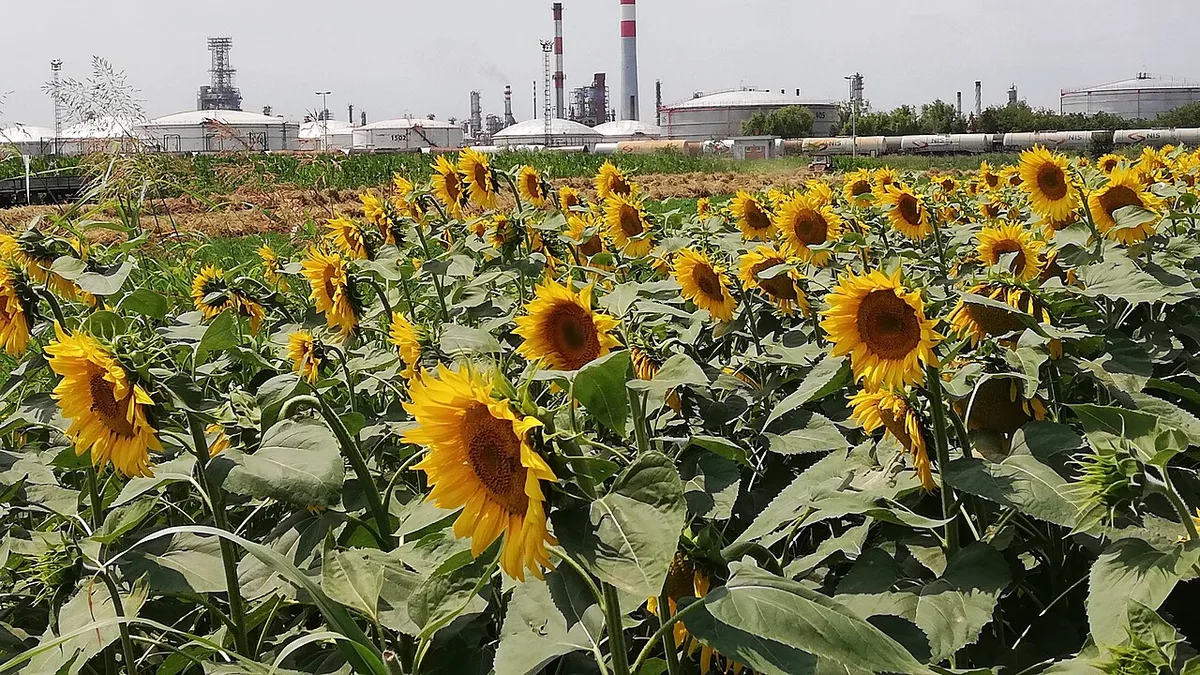
The project holder is Transnafta of Pancevo, which filed the application for approval earlier this summer. eKapija describes the pipeline as one of the country’s most important energy projects, significant for diversifying supply routes and for long-term energy security.
Where does the pipeline route run?
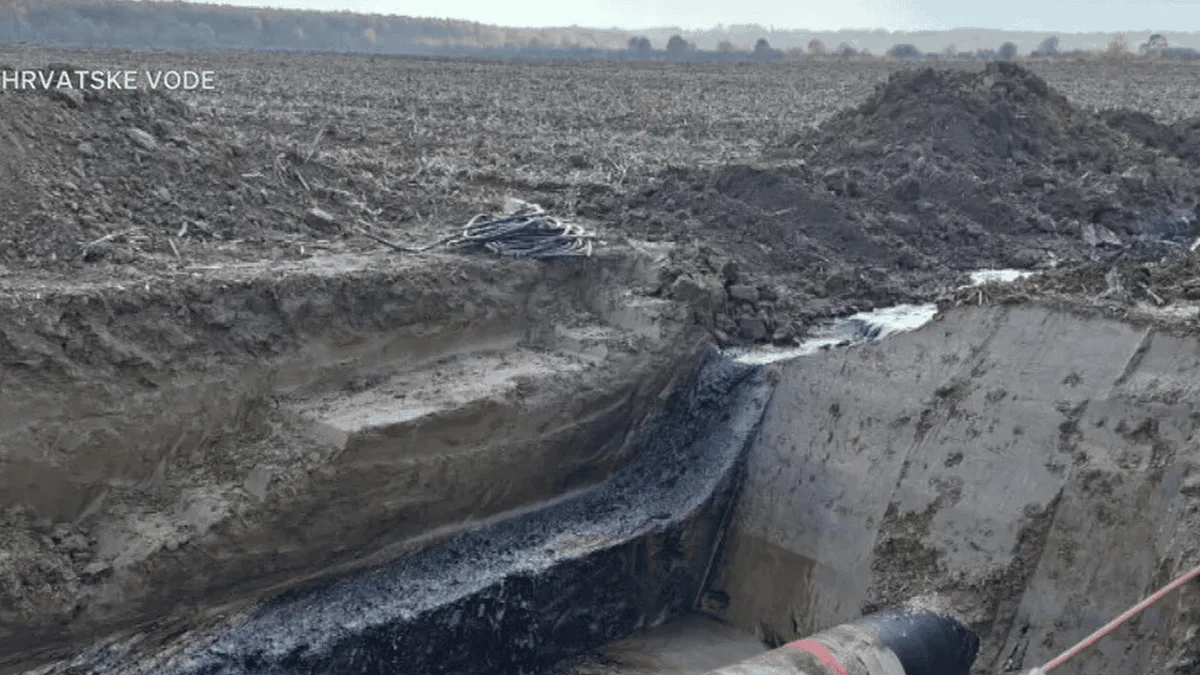
The starting point is near the Horgos border crossing, northeast of the settlement itself, and the end point is the Transnafta Terminal in Novi Sad. On Serbian territory the pipeline is about 113 kilometers long and is laid entirely underground.
The route runs north to south through Vojvodina and covers the municipalities of Kanjiza, Senta, Ada, Becej and Zabalj, as well as the city of Novi Sad. The exact cadastral parcels are listed in the submitted application.
How much oil would the pipeline carry?
The designed capacity is 5.5 million tons of crude oil a year. The planned grade is REB (Russian Export Blend). The pipeline would link Serbia with Hungary, whose territory is crossed by the Druzba pipeline, which supplies most of Europe with crude oil. Serbia would thus receive oil from the Hungarian direction.
What obligations does Transnafta have?
Under the decision, Transnafta must follow the prescribed environmental protection measures during construction and later operation of the pipeline. These include a program for monitoring the project’s impact, set out in the chapters of the study, as well as preventive measures to reduce harmful effects at the site and in its surroundings.
The measures also cover how to act in unforeseen situations, that is, in the event of an accident or a technical interruption of operations. Interested authorities, organizations and members of the public can review the complete documentation at the ministry’s premises in Belgrade or on its website.
What is missing from the published information?
The published details of the decision do not state the value of the investment or a deadline for completing the works. That does not mean the figures do not exist, only that the approval announcement does not carry them.