NASA Abandons Rescue of Aging Swift Telescope
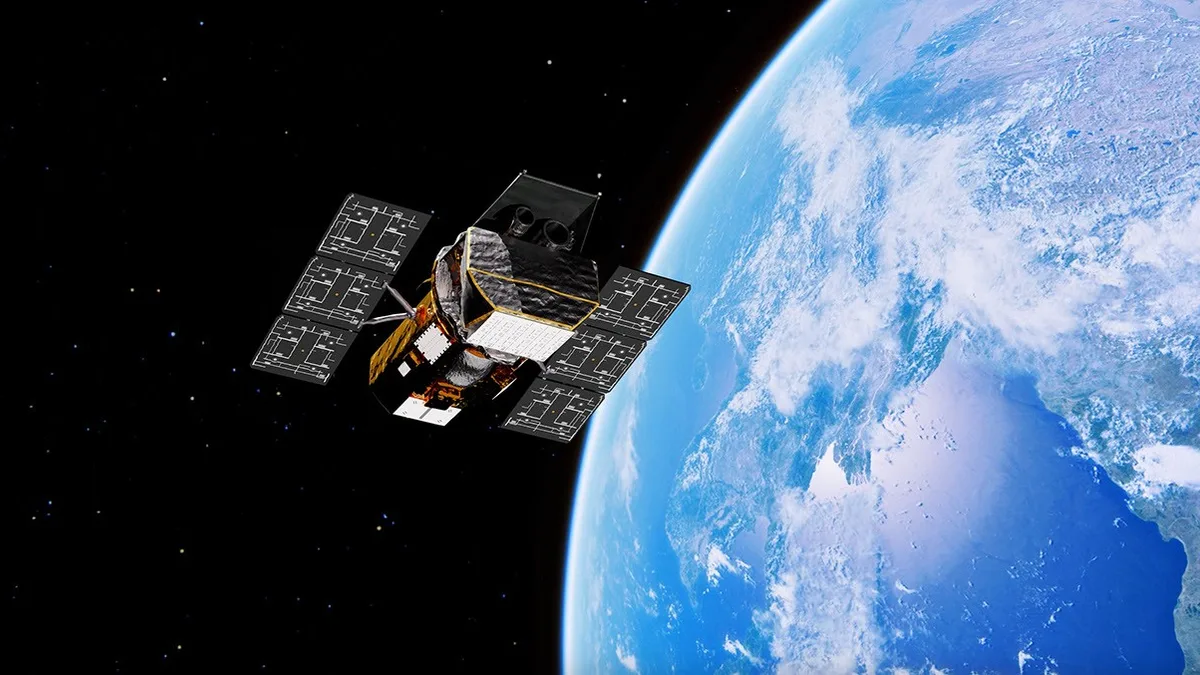
NASA and Katalyst Space Technologies have called off their attempt to lift the twenty year old Swift telescope into a higher orbit with the Link spacecraft, after a steering system failure.

NASA and American company Katalyst Space Technologies announced Wednesday, August 19, 2026, that they are abandoning the attempt to lift the Swift space telescope into a higher, safer orbit. The decision came a month after the rescue spacecraft Link launched toward the telescope, only for it to fall into an uncontrolled spin. Swift has been in orbit for more than twenty years, tracking gamma ray bursts and stellar explosions, and after today’s decision it is now headed toward reentry into the atmosphere.
The telescope launched in 2004. Earlier this year NASA shut down its science instruments to slow the loss of altitude while awaiting the outcome of the rescue mission. The agency paid Katalyst 30 million dollars to use the Link spacecraft to lift Swift back to its original orbit of 373 miles, or 600 kilometers. Heightened solar activity has since sped up the telescope’s descent, which has been losing altitude faster than projected.
Link launched in early July 2026, a little over a month before the mission was called off. A few weeks after launch, the spacecraft fell into an uncontrolled spin. Flight controllers at Katalyst managed to slow the tumbling, but problems with steering and determining its position in orbit persisted. As a result, the company decided Link would not even attempt to capture Swift and lift it into a higher orbit.
“This is not the outcome we were working toward, but it does not change why this mission was worth attempting,” Jared Isaacman, NASA administrator, said in a statement on the cancellation.
As something of a consolation, Katalyst will keep flying Link near the telescope, to demonstrate the company’s capabilities for future rescue missions. Katalyst CEO Ghonhee Lee said in a statement that this was an ambitious mission on an aggressive timeline, put together in less than a year, and that the team is proud of what it achieved, adding that the project taught them a great deal. Kieran Wilson of Katalyst serves as principal investigator on the Link spacecraft, and space systems engineer Hunter Robertson is also on the project.
Sources differ on how high Swift is currently flying. Phys.org reports that on Wednesday, August 19, the telescope was at an altitude of 214 miles, or 345 kilometers. CBS News writes that last week, before the cancellation was announced, Swift was at 216 miles. According to CBS data, the telescope is currently losing about five miles of altitude a month, and by October it should be down to 186 miles. Estimates also diverge on when reentry will happen: Phys.org writes that it is not expected before October, while CBS News says only that it will happen later this year, without naming a specific month.
Swift tracks gamma ray bursts, among the most powerful phenomena in the universe. Sean Domagal-Goldman, director of NASA’s Astrophysics Division, described their significance to CBS News.
“Not even a nuclear weapon when it explodes can compare to the scale of energy coming out of these things, and these are literally the biggest explosions in the universe,” Domagal-Goldman said.
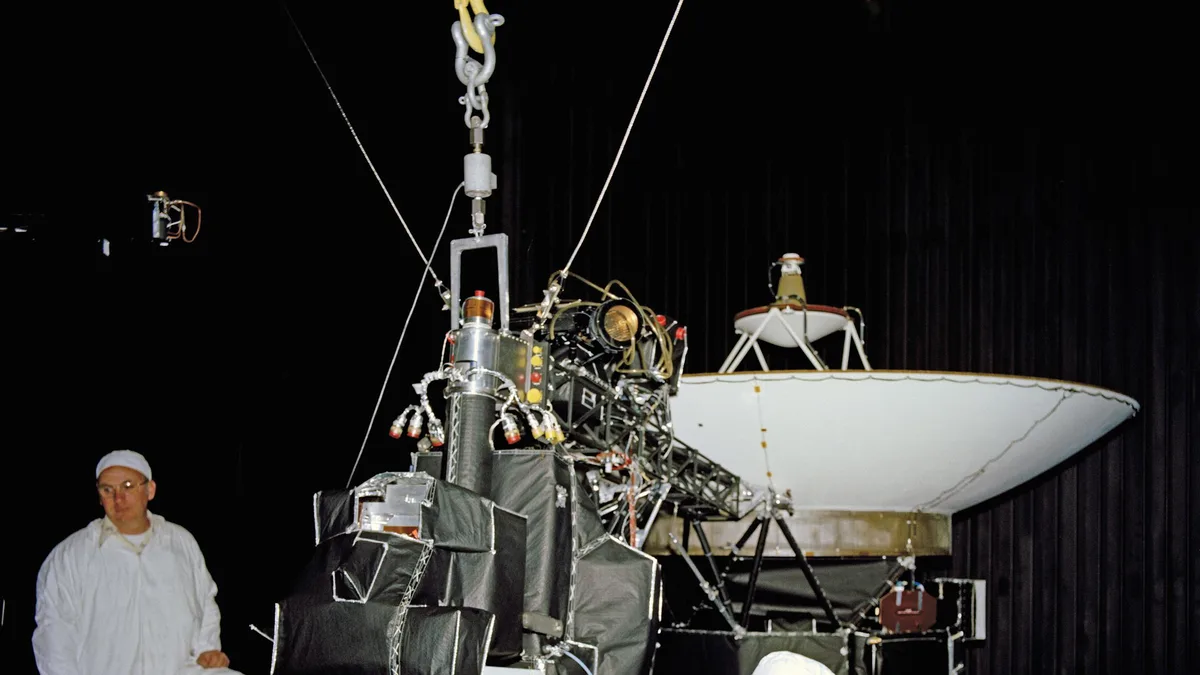
The canceled mission also has consequences for another telescope. The 36 year old Hubble Space Telescope is also losing altitude because of increased solar activity and, if nothing is done, is expected to enter the atmosphere sometime in the 2030s. Hubble was set to be the next candidate for a similar rescue mission had the Swift attempt succeeded. After the failure, it is not known whether NASA will even attempt to save it.
We had not previously covered this story, since the decision to cancel the mission was only made on Wednesday. Exactly how long Swift will remain in orbit and when it will break up in the atmosphere is, based on the information currently available from NASA and Katalyst, not yet precisely known.