Opposition Faces Elections Without a Unified List
A meeting of opposition parties ended without agreement on a joint slate for the snap elections. Three scenarios remain in play, while student protesters signal they may run separately.

- A meeting of opposition parties ended without a deal on a joint slate; three scenarios remain on the table.
- Student protesters signal they could contest the vote separately from the parties.
- Part of the opposition still ties participation to conditions for democratic and fair elections.
- Leadership before the campaign remains an open question.
After President Aleksandar Vucic announced his resignation and snap elections, opposition parties met in Belgrade in a session that ended without agreement on a joint appearance. Instead of a clear decision, the talks produced three possible options that party leaderships will only debate in the days ahead.
The first option is a single, unified opposition slate that would gather most of the parties outside government. The second is a narrower pro-European bloc, running on a shared platform but without claiming to cover the entire opposition spectrum. The third possibility is support for a list emerging from the student movement, with the open question of how visible the parties themselves would remain.
None of the three scenarios currently commands a decisive majority, so the meeting left more questions open than it closed. According to our information, some participants privately concede that time is working against a deal, since the electoral cycle could begin before the opposition aligns its positions.
Why does a student list change the math?
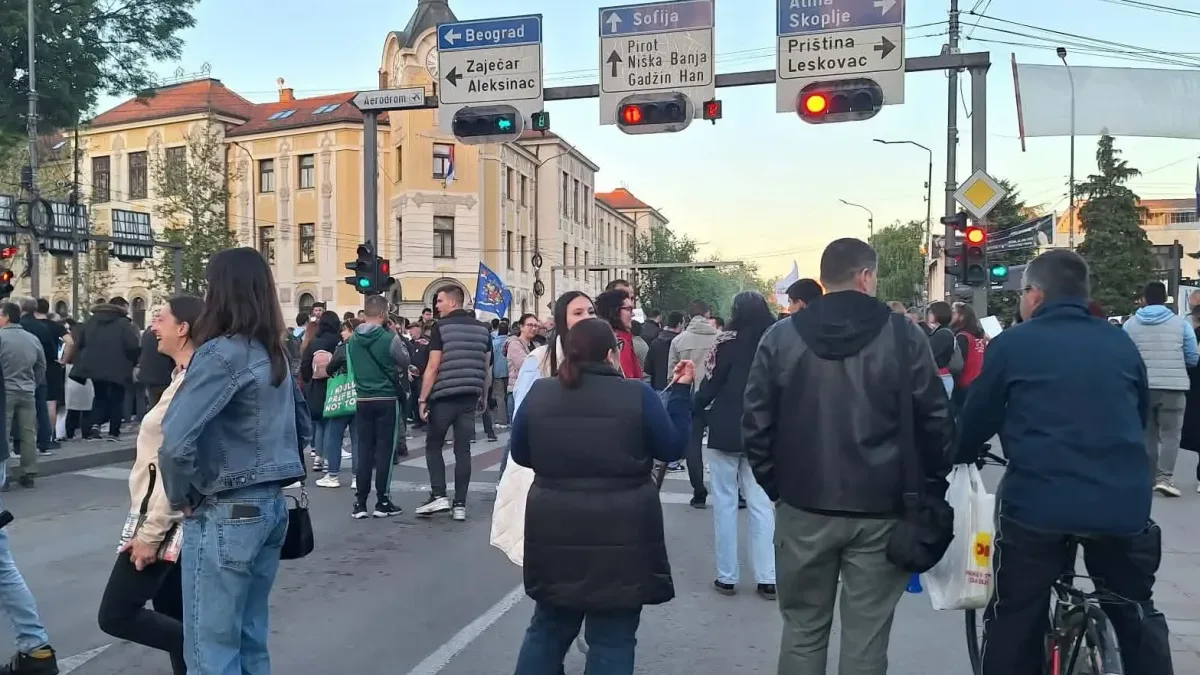
What further complicates the talks is the stance of the students in the blockade. Signals from that movement suggest they would go to the polls separately from the existing parties, with their own list and without a formal alliance with the opposition leadership. For one part of the opposition this is an opportunity, since a student list brings energy and the trust of younger voters. For another part, it is a risk of further fragmenting the vote against the government.
That also raises the question of leadership. Several parties are entering the electoral cycle without a clearly defined figure to lead the campaign, and the student movement has so far avoided personalization and the promotion of individual names. If the students ran on their own, the opposition parties would have to decide whether to compete with that list or back it, even at the cost of their own visibility.
What do the government and opposition say?
Part of the opposition still ties its participation to meeting the conditions for democratic and fair elections, above all cleaning up the voter roll, media conditions and the work of the electoral administration. Their message is that without those preconditions a joint appearance loses its purpose, because it would legitimize a process they consider unequal.
On the other side, the government and some analysts assess the opposition as disunited and unprepared for the electoral process. The recurring message is that the absence of a deal speaks to the opposition’s capacity to offer an alternative, not merely to the conditions in which the elections are held. The opposition responds that readiness is not the same as speed, and that the only side in a hurry is the one the current balance of power suits.
Between those two positions lies the space in which, probably over the coming weeks, it will be decided whether the opposition goes to the polls as one bloc, several of them, or in the shadow of a student list. The choice of model will not settle only the tactical question of seat counts, but also the message of whether the opposition currently acts as a whole at all.
Would a joint list bring the opposition more votes than three separate runs, or could the student list itself take on the role of the main challenger to the government?