Activists Charged With Undermining Constitutional Order in Serbia
Belgrade prosecutors have detained suspects over alleged calls to violently change the constitutional order, while defense lawyers call the case pressure without evidence.

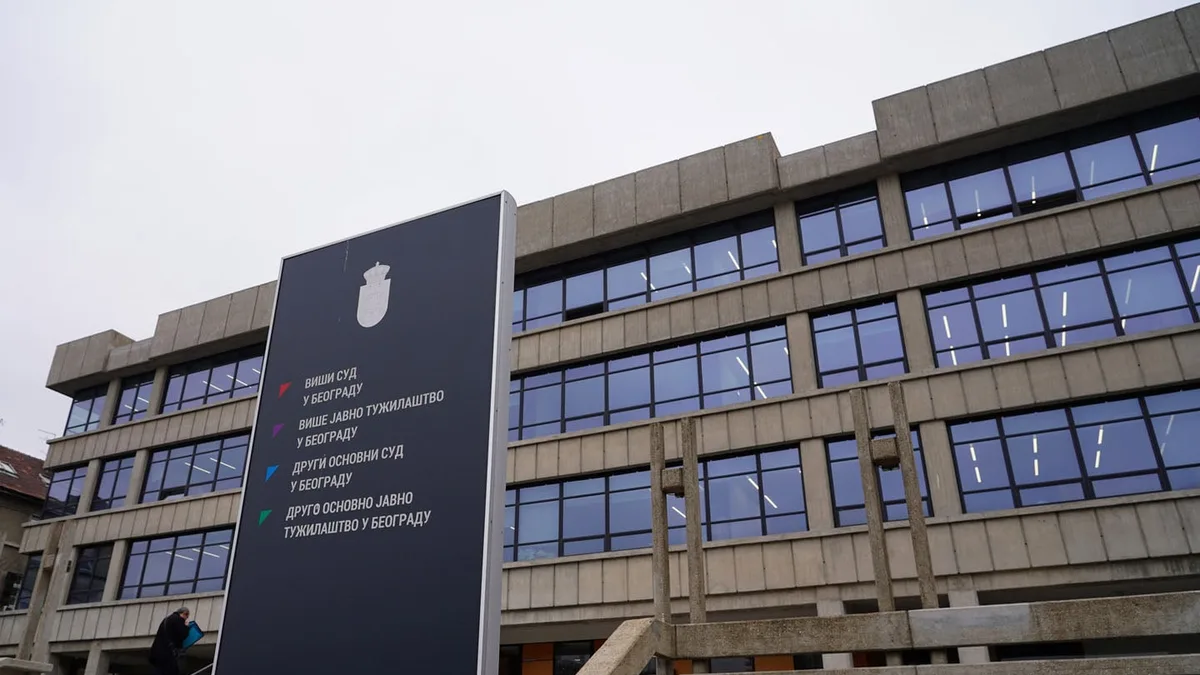
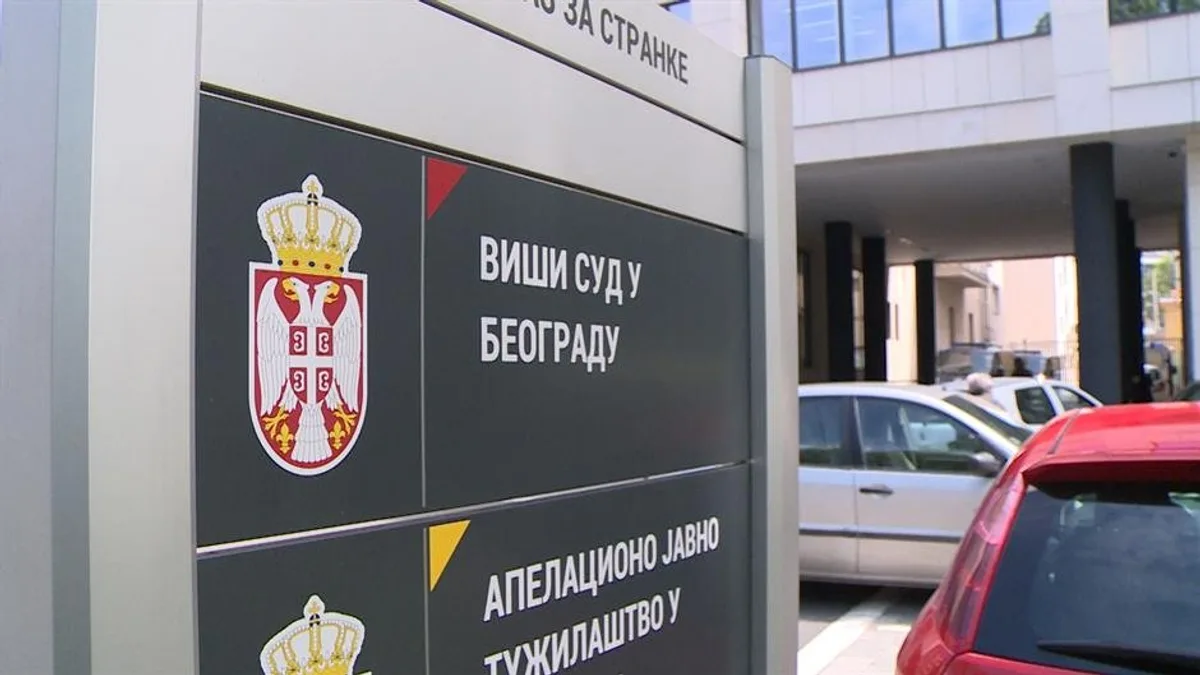
- The Higher Public Prosecutor's Office in Belgrade says a group of suspects, described as students, was detained on suspicion of calling for a violent change to the constitutional order.
- Defense lawyers claim security services infiltrated student assemblies and are using recordings and intercepted statements to prosecute activists.
- Parts of the public and the opposition call the charges an abuse of law, while finance committee chairman Veroljub Arsic says part of the protest funding came from abroad.
The Higher Public Prosecutor’s Office in Belgrade has announced that a group of suspects, described in the investigation as students and activists, was detained on suspicion of calling for a violent change to Serbia’s constitutional order. Prosecutors say there are grounds to suspect one of the gravest offenses in the Serbian criminal code, the one covering attacks on the constitutional order and the security of the state.
This is a legal classification that carries severe sentences and is rarely applied in practice. That is precisely why the detentions have drawn a sharp response from the defense. Lawyers argue that prosecutors have presented no material evidence for such a serious charge, and instead rely on interpretations of statements made at student plenums and faculty meetings.
What do prosecutors and the defense each claim?
The defense goes further. Lawyers claim that security services infiltrated the student assemblies, recorded sessions and wiretapped participants, and that the collected material is now being used as the basis for arrests. In their view, recordings from plenums, intercepted messages and video footage have become tools of pressure against activists ahead of announced protests.
Part of the legal community and the opposition dismiss the charge of overthrowing the state as absurd and an abuse of the law. Their argument is simple: criticizing the government, calling for protests and blockading faculties are forms of political activity protected by the constitution, not an attempt to seize institutions by force. Casting such acts as the most serious criminal offenses, they say, is meant to intimidate and demobilize the protest movement.
On the other side stands the government’s position, which frames the blockades and calls for work stoppages as an attack on the state. Veroljub Arsic, chairman of the parliamentary finance committee, said that part of the protest funding, according to his information, came from foreign sources. On that basis the authorities insist this is not spontaneous student discontent but an organized operation with outside logistics, and therefore, they argue, a matter of national security.
Why the legal classification is at the center of the dispute
The entire conflict comes down to one point: how to legally define the protests. If this is civil disobedience and political protest, it falls within constitutional freedoms. If it is an attempt to violently change the order, it enters the domain of the gravest crimes. There is little room for nuance between those two poles, and that is exactly where the dispute breaks.
For prosecutors, the burden of proof is high. For the charge to survive in court, they must show a concrete intent and action aimed at the violent overthrow of institutions, not merely harsh words or radical slogans. For the defense, the key question is the legality of the evidence, in particular whether the recordings and intercepted communications were obtained with a court order or outside legal procedure.
What makes this case politically sensitive is its timing. The detentions come as new protests are announced, so the timing of the proceedings itself becomes a point of contention. The government sees a legitimate response by the state, the opposition a selective application of the law.
The next move belongs to the court, which will have to rule on detention and on whether the indictment can withstand a legal test at all. Until then, one question continues to divide the Serbian public: where does the right to protest end, and where does an attack on the constitutional order begin?