RIK: diaspora polls open 7 am to 8 pm Serbian time
Serbia's Republic Electoral Commission voted 20 to seven to open and close polls abroad at the same time as at home, so voting in the Americas and Australia will run overnight.
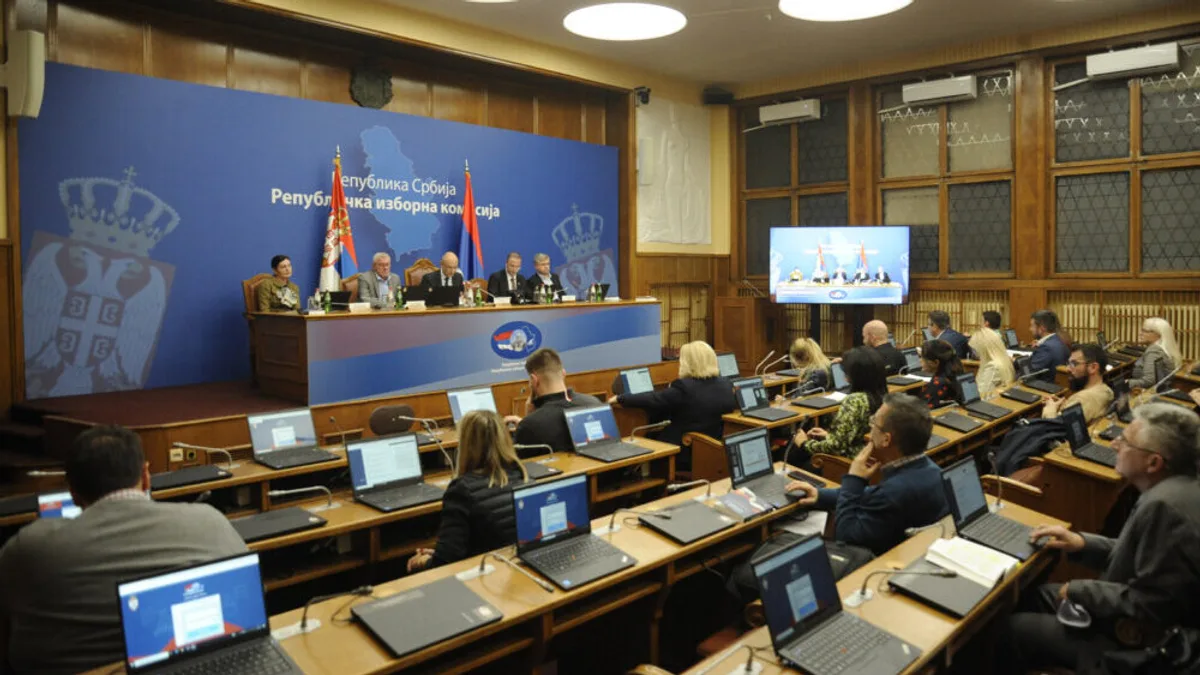
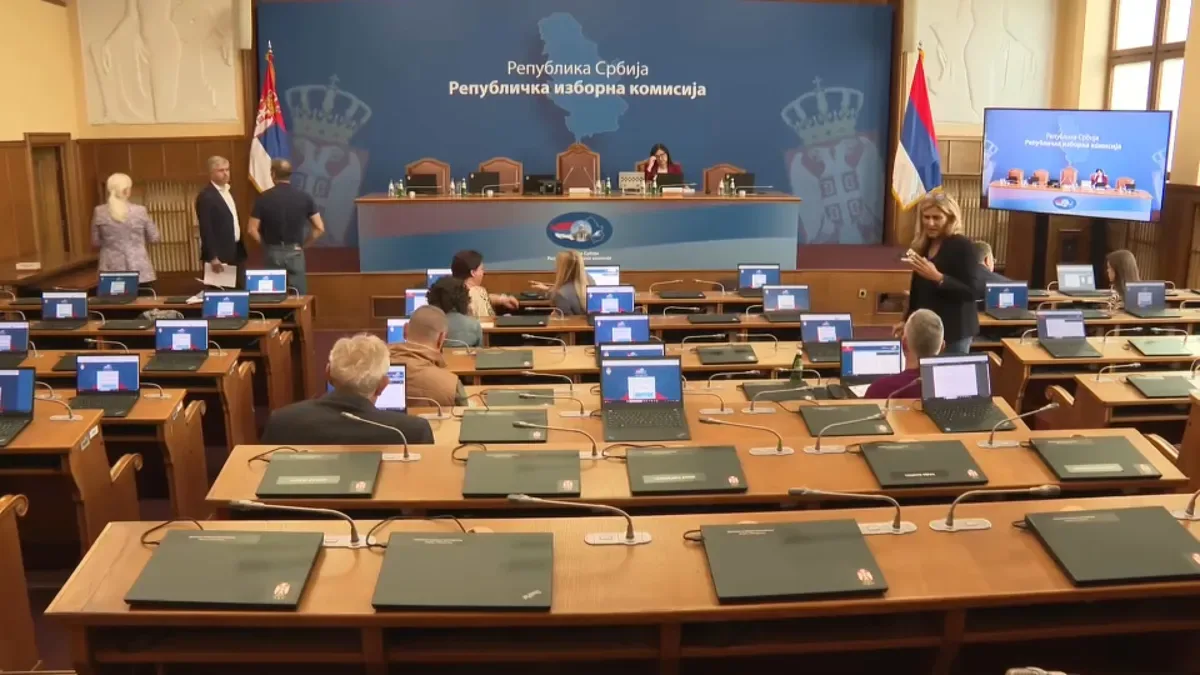
The Republic Electoral Commission (RIK) has adopted a decision under which polling stations abroad will be open from 7 am to 8 pm Central European Time on election day, October 25, 2026, the same hours as in Serbia. Twenty members of the commission voted in favor and seven voted against.
The session ended at 2:10 am. As a result, some polling stations in the Americas, Australia and Indonesia will be open through the night. Commission members themselves pointed to New Zealand, where voting by local time would start at 7 pm and run until 8 am. Some RIK members say voting there will be practically impossible.
Who started the idea of set voting hours for the diaspora?
The initiator was the Ministry of Foreign Affairs, which submitted a draft decision with an explanation. RIK member Ivan Sebek said the ministry had stepped outside its powers, and that someone on the commission had simply copied the proposal and entered the hours into a table. He also asked who had instructed the commission’s expert staff to prepare a text that matches the ministry’s proposal in every respect, the RIK chair or the secretary. He added that he has been a member of the commission for many years and that, since voting in the diaspora was introduced, no such proposal had ever come before RIK.
“With this proposal you are further denying voters their rights, and in practice cutting the time they have to exercise their right to vote in half… This has surpassed everything seen until now,” Sebek said.
Commission member David Krstic said that in this case, as with the previous agenda item on opening specific polling stations abroad, RIK found itself being lectured on electoral law by the Ministry of Foreign Affairs, which he said has “no authority whatsoever”. He rejected the ministry’s assessment that early publication of results from individual polling stations could endanger the electoral process in Serbia.
What did the commission members who voted against say?
Critics of the decision said its only motive is to make it harder for the diaspora to exercise the right to vote, and called the decision itself unlawful and unprecedented. Jasmina Belic said the proposal was logged at the registry office the evening before last, so it could have been discussed earlier.
“The Electoral Commission of a serious country is proposing that people come to vote at three in the morning. That defies common sense. This is indefensible. What kind of patriotism are we showing toward our citizens (in the diaspora)? What are we doing here, so that the whole world laughs at us?” Belic asked.
Marko Zivanovic pointed to a security risk. He said it is “absolutely incomprehensible” that the Ministry of Foreign Affairs is not aware of the situation in Chicago, which he said has one of the highest rates of serious crime in the United States, adding that, according to official statistics he cited, half of those crimes happen after 10 pm. Vladimir Dragas said the proposal is “completely unlawful” and “can only provoke anger” in the diaspora. Zlata Jusufovic noted that if supporters of the decision invoke the law, it would mean that all of RIK’s earlier decisions on the length of voting abroad were unlawful.
How did the members who backed the decision defend it?
Zeljka Radeta said the decision is fully in line with the Law on the Election of Members of Parliament. She cited Article 91, paragraph 4, which provides that election day abroad lasts 13 hours and ends no later than 8 pm Serbian time.
Tatjana Kitanovic said the decision protects the integrity of the electoral process. In her words, it has happened before that, once voting abroad ended, results from individual polling stations spread across social media, and some actors used them to “announce the final victory” and to influence voters who had yet to cast their ballots.
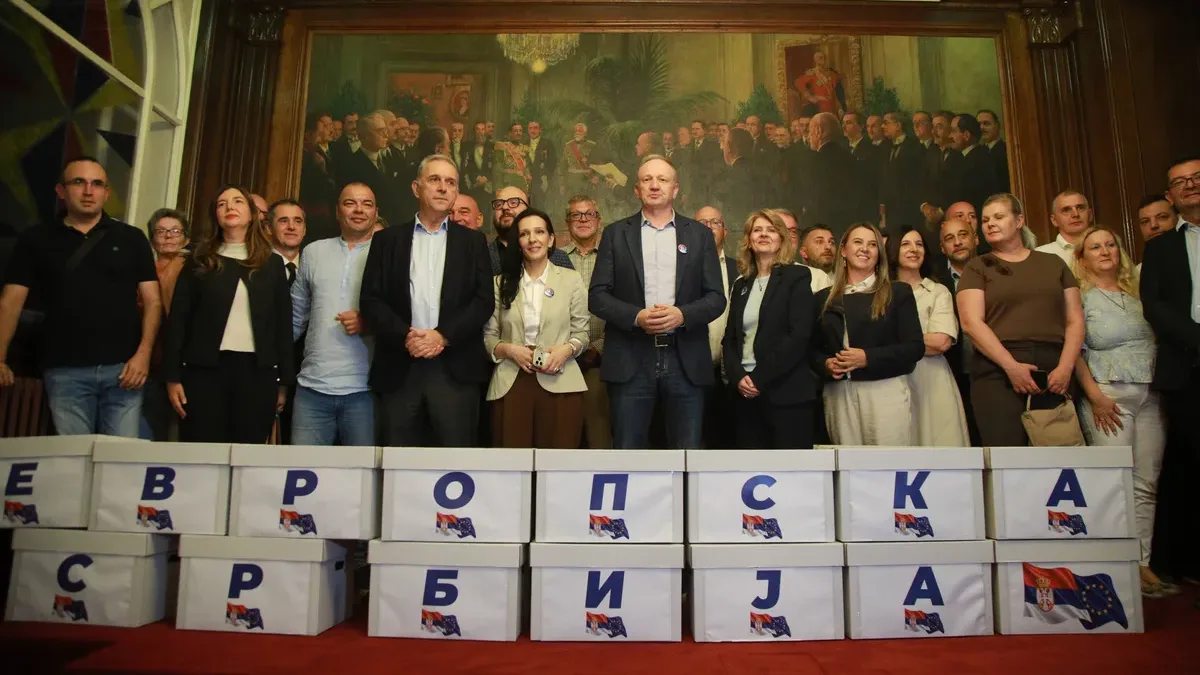
At the same session, RIK rejected two objections as unfounded, one concerning members of the Municipal Election Commission in Bojnik, the other concerning the expanded makeup of the commission in Novi Knezevac. Milan Vasiljevic was appointed as the RIK member on behalf of the “European Serbia” coalition, with Strahinja Bozinovic as his deputy.