

NDNV demands removal of RTV director Goran Karadzic
The Independent Journalists' Association of Vojvodina says greeting Aleksandar Vucic in Banostor is incompatible with serving as director general of the public broadcaster.
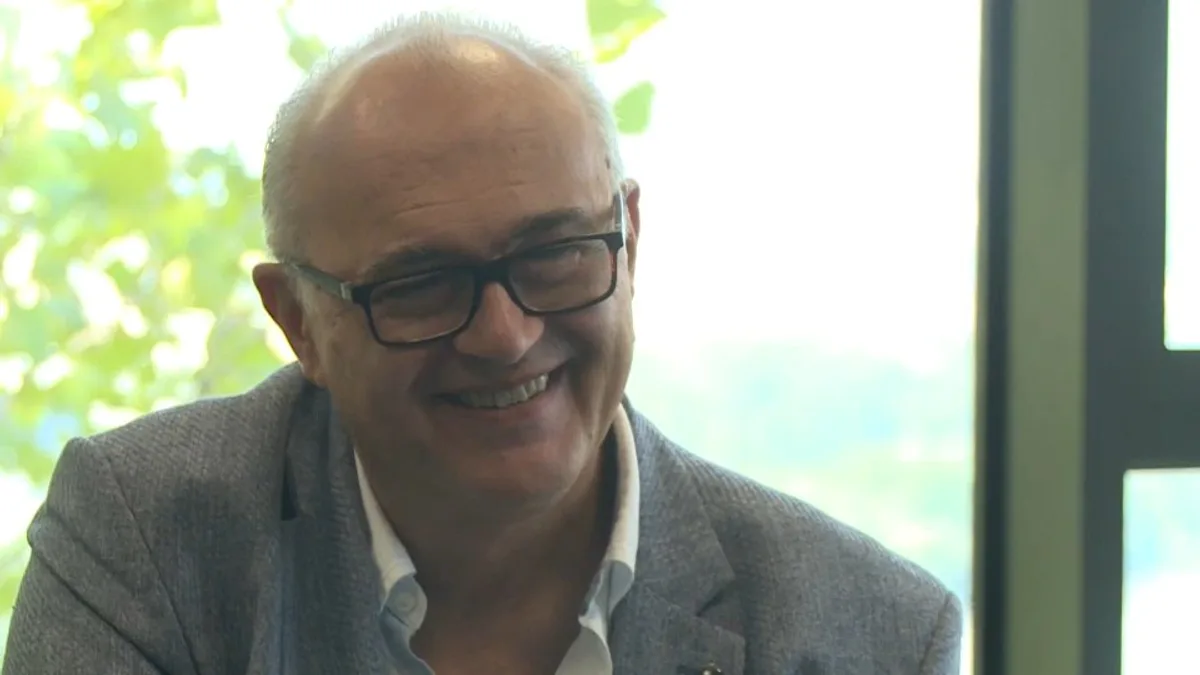
The Independent Journalists’ Association of Vojvodina (NDNV) is demanding the removal of Goran Karadzic, director general of Radio-Television of Vojvodina (RTV). The statement was published on October 7, prompted by a photo from Banostor showing Karadzic greeting Aleksandar Vucic, the lead candidate on the “ALEKSANDAR VUCIC - UNITED SERBIA” electoral list. Snap parliamentary elections are scheduled for October 25, so the campaign is under way.
What does NDNV say in its statement?
The association starts from the photo itself and describes it this way:
“In the photo that has been made public, RTV director general Goran Karadzic can be seen greeting Aleksandar Vucic, the lead candidate on the ‘ALEKSANDAR VUCIC - UNITED SERBIA’ electoral list, in Banostor”
Neither the statement nor the reports that carried it say when Vucic was in Banostor.
NDNV considers such a public appearance incompatible with the office Karadzic holds. According to the statement, the head of RTV is not an ordinary citizen free to keep whatever political or social contacts he likes in private life, but the top official of an institution that is legally bound to protect the editorial independence, public interest and political impartiality of the public broadcaster. The association also recalls that the Law on Public Media Services requires the broadcaster to provide equal, impartial, fair and balanced coverage of political parties, electoral lists and candidates during an election campaign.
In the association’s view, Karadzic appeared as host and direct interlocutor of the lead candidate on one electoral list, sending a message that the leadership of RTV favors the governing political players. NDNV therefore states:
“The public service does not belong to the government, the opposition, any party or its director.”
The association adds that the public broadcaster is funded by the citizens of Serbia, who have a right to expect that RTV will not become a place where closeness to the political authorities or to any electoral option is put on display.
Who is supposed to act?
The demand has two parts and is addressed to different institutions. NDNV asks the competent RTV bodies to start removal proceedings against Karadzic and to determine whether his conduct breached obligations under the Law on Public Media Services and other professional standards that bind the public broadcaster.
The association calls on the Regulatory Authority for Electronic Media and other competent institutions to examine the circumstances of the case “within their powers”. In other words, it asks RTV’s own bodies to check for violations of the law, while asking the regulator and other institutions only to look into the circumstances.
In the closing part of the statement, the association speaks about Karadzic’s responsibility:
“If the director of a public service does not understand that his office entails responsibility for his own public conduct, then he is not worthy of the office he holds.”
The statement ends with the line that RTV must be the public service of all citizens, and that its director cannot at once head the public media service and act as political host to one of the participants in the election race.
Has Karadzic responded?
The published reports on the statement contain no response from Goran Karadzic or from Radio-Television of Vojvodina to the demand for his removal.


