Serbia's election body approves Slovenian minority list
The Republic Electoral Commission approved the Slovenci zajedno list and the Ujedinjeni list for the Ukrainian minority council. Voting is on November 8.

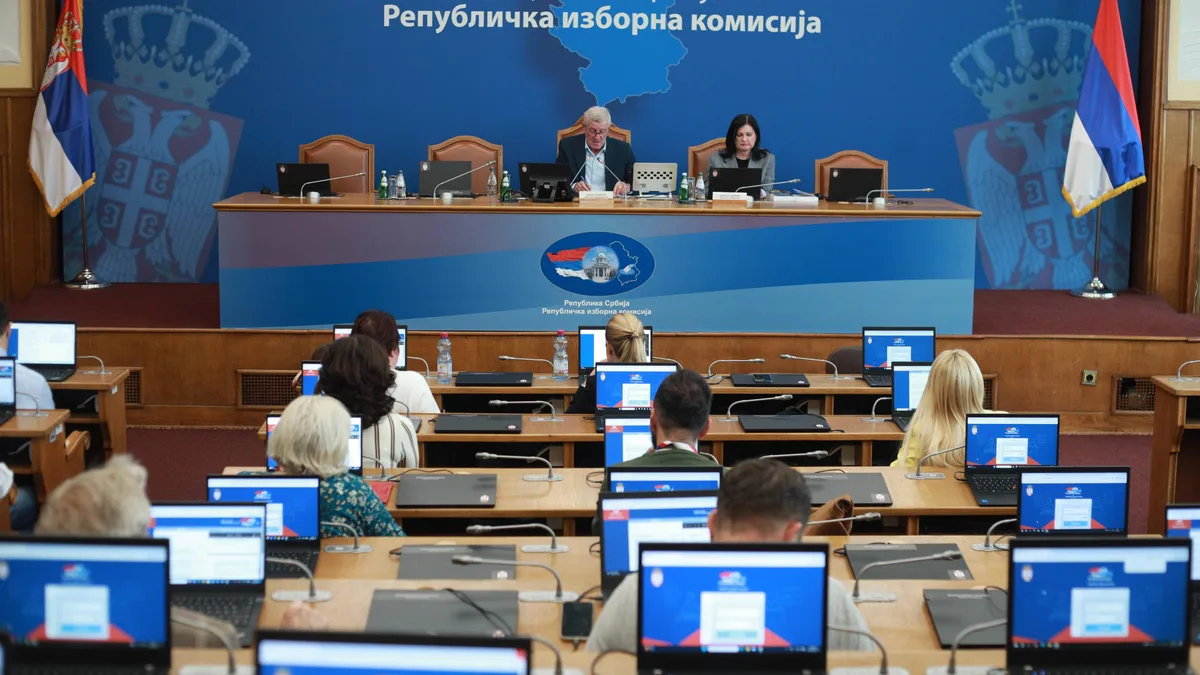
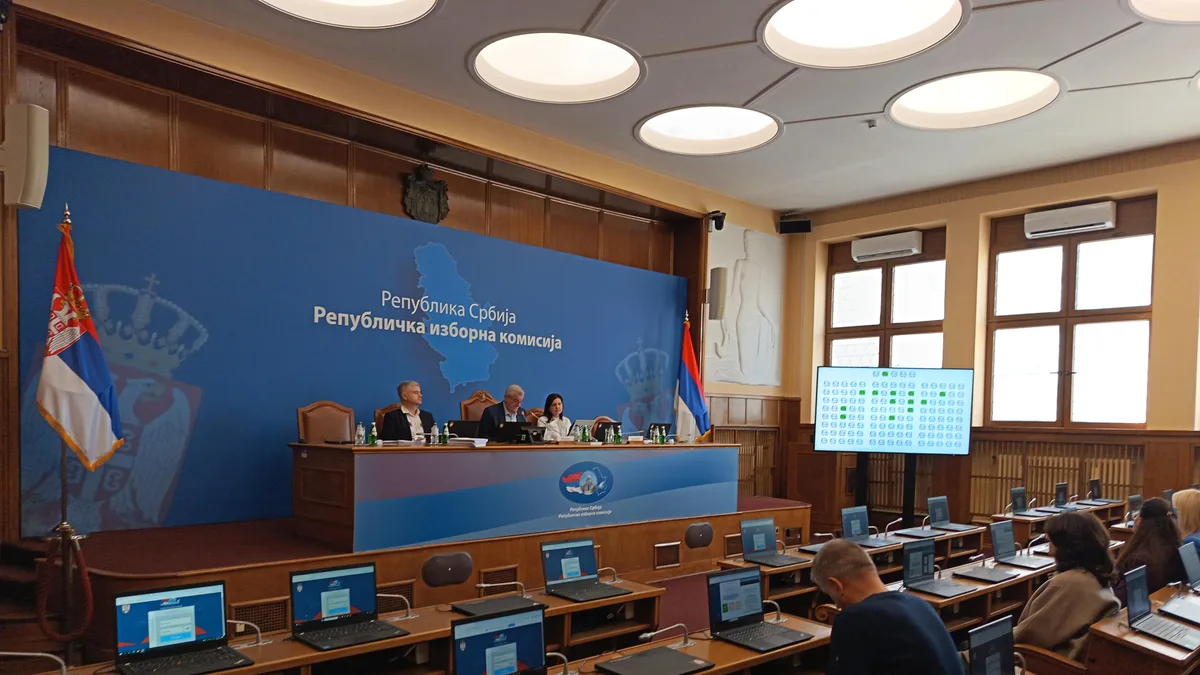
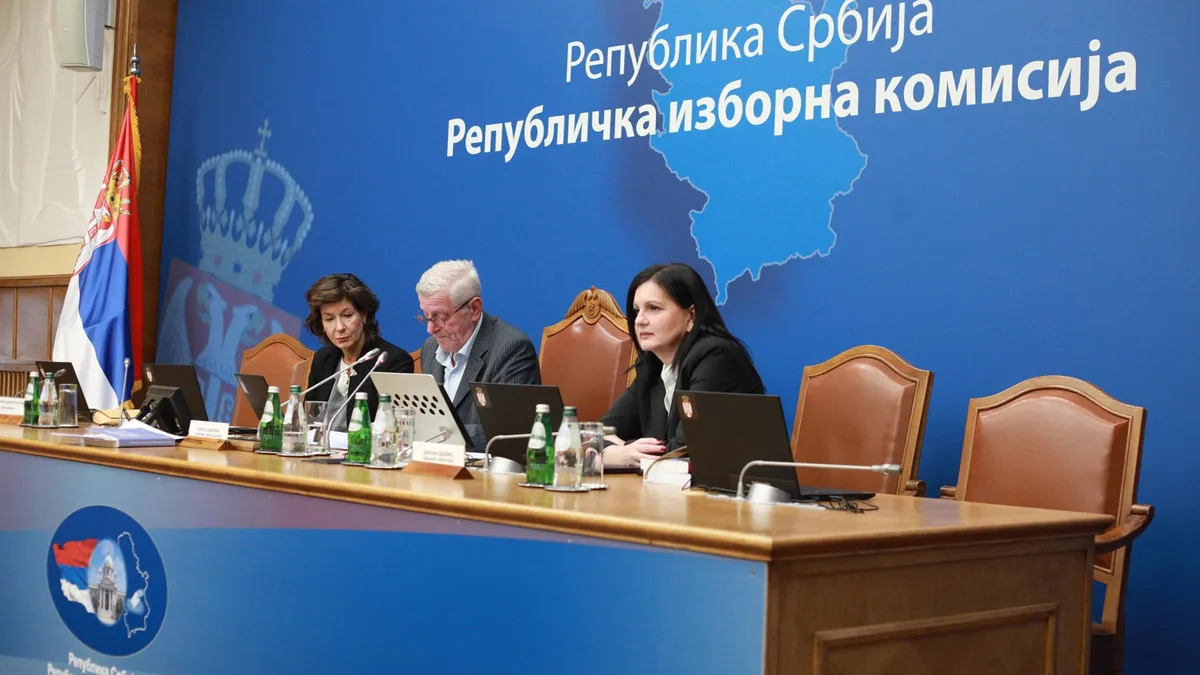
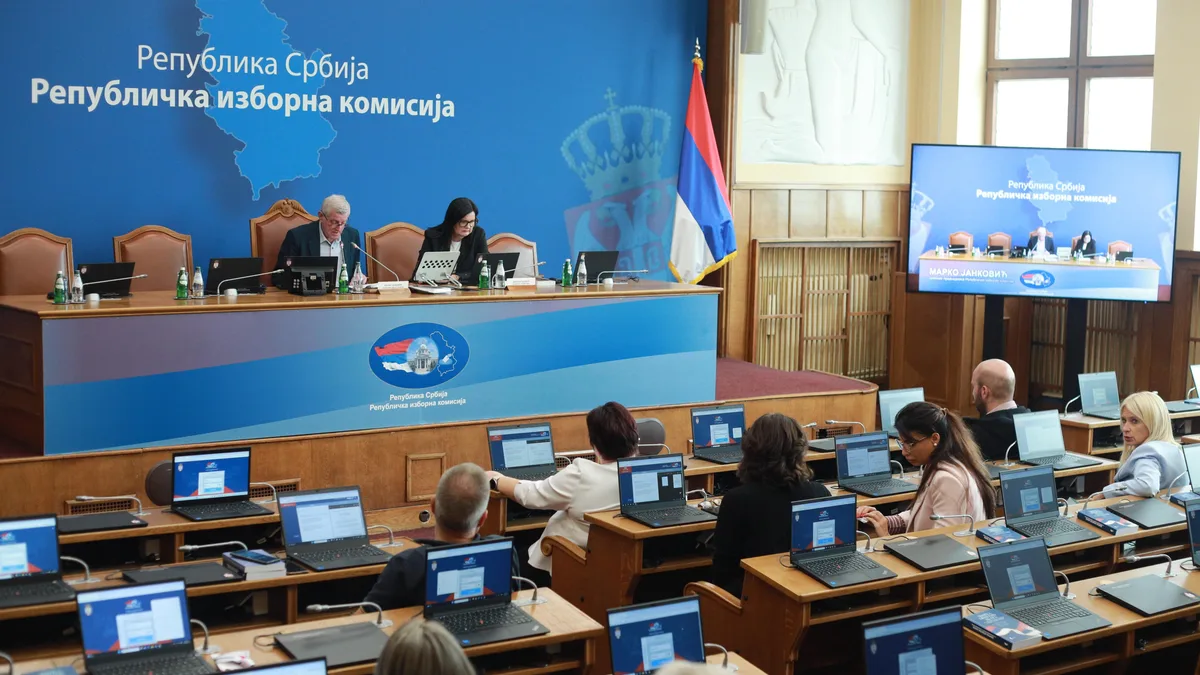
The Republic Electoral Commission (RIK) approved the electoral list Slovenci zajedno - Slovenci skupaj (Slovenes Together) at its 62nd session, held on October 19, 2026. The list will run in the direct elections for members of the National Council of the Slovenian national minority. Later in the same session, the commission also approved the list Ujedinjeni (United) Sremska Mitrovica, Novi Sad, Indjija, Vrbas, Kula for the National Council of the Ukrainian national minority. The elections for national council members are scheduled for November 8, 2026. The session was chaired by RIK Deputy Chairman Marko Jankovic.
Who submitted the Slovenian list?
The Slovenci zajedno list was submitted by the Society of Slovenes in Belgrade - Society Sava. It has 15 candidates and the support of 178 voters whose signatures were found legally valid.
What is behind the Ukrainian list?
The Ujedinjeni list was submitted by the association Society for the Cultivation of Ukrainian Culture - Kolomejka. It has 13 candidates and 62 legally valid statements of voter support. The name of the list names five towns: Sremska Mitrovica, Novi Sad, Indjija, Vrbas and Kula.
What came before these decisions?
A day earlier, on October 18, the RIK held its 61st session, chaired by the same deputy chairman, and adopted decisions on how the elections will be run. They include a decision designating polling stations for the direct elections, decisions on the forms for submitting candidate lists and for carrying out electoral actions in elections held through electors’ assemblies, and decisions on fees for members of the committees overseeing those elections and on fees and other costs of the direct elections. The same session amended the decision on the number, composition and area of work of the RIK’s working bodies and set up the working bodies for the direct elections.
The lists the RIK approved on October 19 concern the direct elections, meaning a vote by the voters themselves, and not the election through electors’ assemblies, for which the forms were adopted the day before.