Serbia minority voter roll closes at midnight tonight
Ahead of the November 8 national council elections, the ministry says enrollment closes today at 24:00, and the Novi Pazar office stays open until midnight.
Members of national minorities who want to vote for their national councils have until today, November 4, at 24:00 to register on the special voter roll. That is according to the Ministry of Human and Minority Rights and Social Dialogue, and the elections are set for Sunday, November 8, 2026.
The roll was closed by a decision of caretaker minister Dema Berisa on October 23 at 24:00, under Article 80 of the Law on National Councils of National Minorities. The decision was published in the Official Gazette of the Republic of Serbia, No. 102/26. The ministry nonetheless says that eligible citizens who belong to minorities can keep registering until midnight on November 4.
Requests are submitted on a prescribed form. The ministry has posted the forms for registering on and being removed from the special voter roll on its website, and it takes questions at 011/22 50 613. According to the ministry’s statement, Berisa urged members of minorities to learn about the election process and use their right to vote on November 8.
Where can you file a request in Novi Pazar today?
The Novi Pazar city administration said requests are handled in office 208. Until now the office was open on weekdays from 7:30 a.m. to 3 p.m. and on weekends from 9 a.m. to 2 p.m., and on the last day it stays open from 7:30 a.m. until midnight. Adult citizens who declare themselves members of a national minority and meet the legal requirements are entitled to register.
Who can vote on November 8?
In the direct elections, only people registered on the special voter roll of their own minority can vote. It is not the general voter roll used in parliamentary elections. According to the Republic Electoral Commission (RIK), voters should receive a notice with the number and address of their polling station, but not receiving it is no reason to deny them a vote.
Voting takes place at 949 polling stations, from 7 a.m. to 8 p.m. Of the 23 national councils, 21 are elected directly, and the size of each council depends on the minority:
- 35 members each for the Bosniak, Hungarian and Roma councils
- 29 members for the Albanian council
- 23 members each for the Vlach, Romanian, Slovak, Croatian and Montenegrin councils
- 19 members each for the Bulgarian, Bunjevac, Macedonian and Rusyn councils
- 15 members each for the Ashkali, Greek, Egyptian, German, Polish, Slovenian, Ukrainian and Czech councils
The Goran council, with 15 members, and the Russian council, with 19 members, are chosen by electoral assemblies, which meet the same day, November 8, from noon at the National Assembly building at 14 King Milan Street. The ministry has confirmed all 51 electoral applications submitted, 21 Goran and 30 Russian.
What has the RIK been doing in recent days?
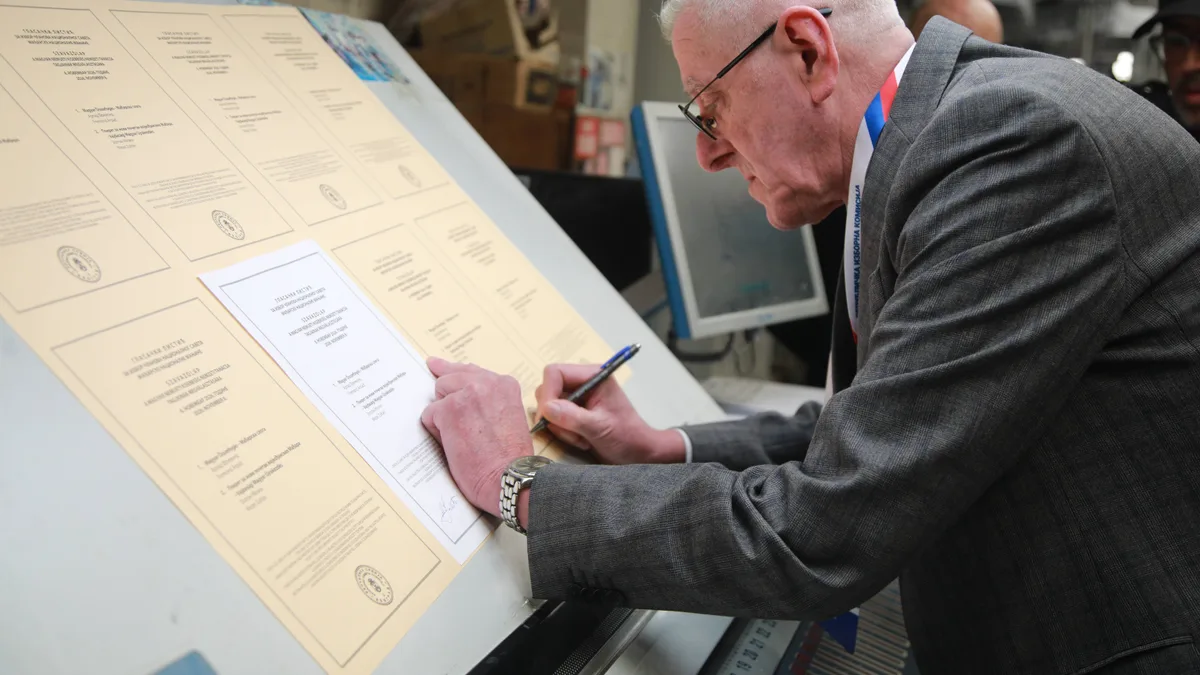
As this outlet reported earlier, the RIK has certified 52 electoral lists. Printing of 481,157 ballots began on the evening of October 29 at the printing house of the public enterprise Official Gazette, attended by RIK deputy chair Marko Jankovic and representatives of the list submitters.
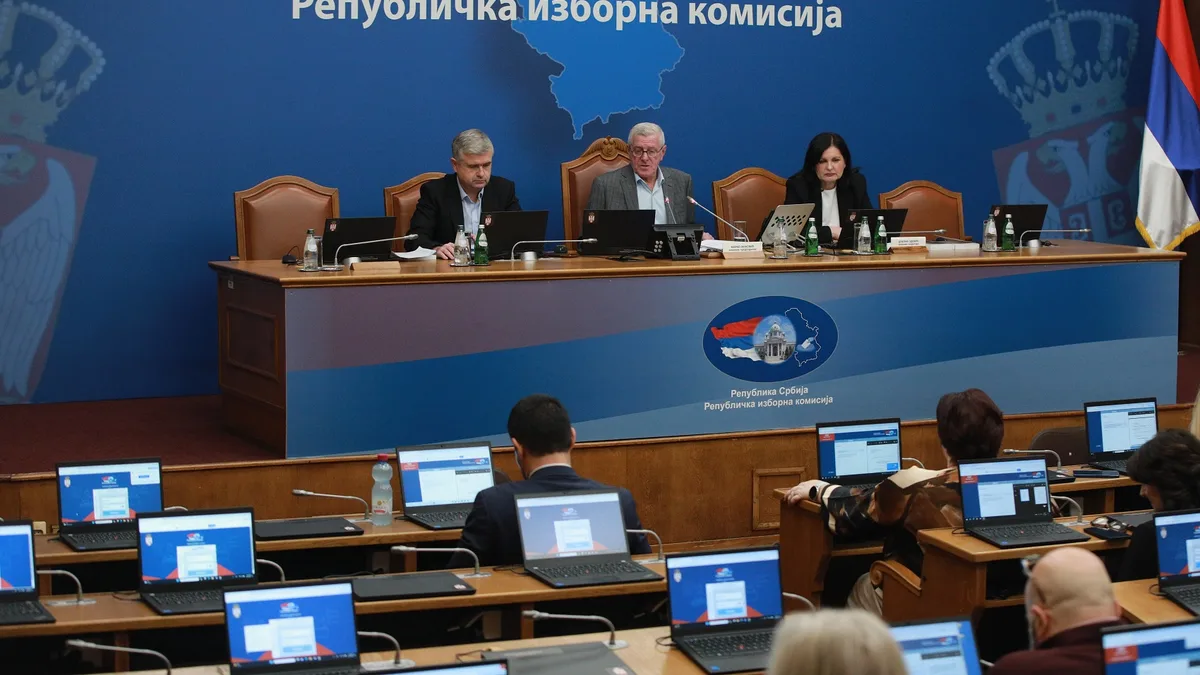
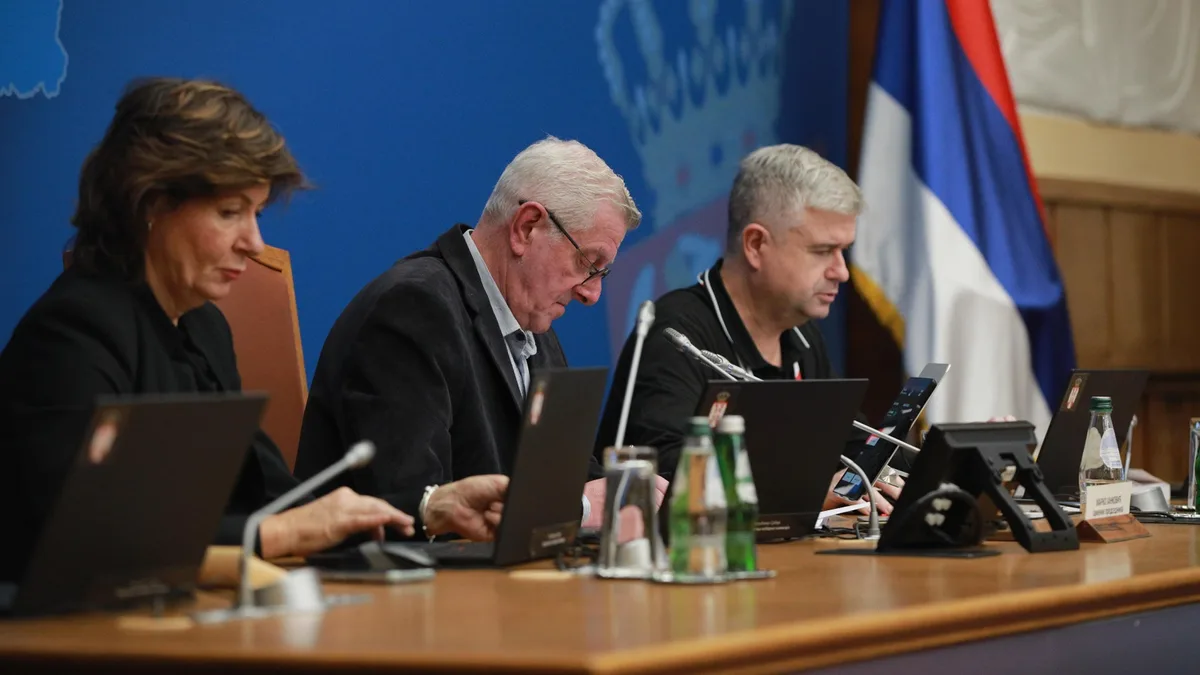
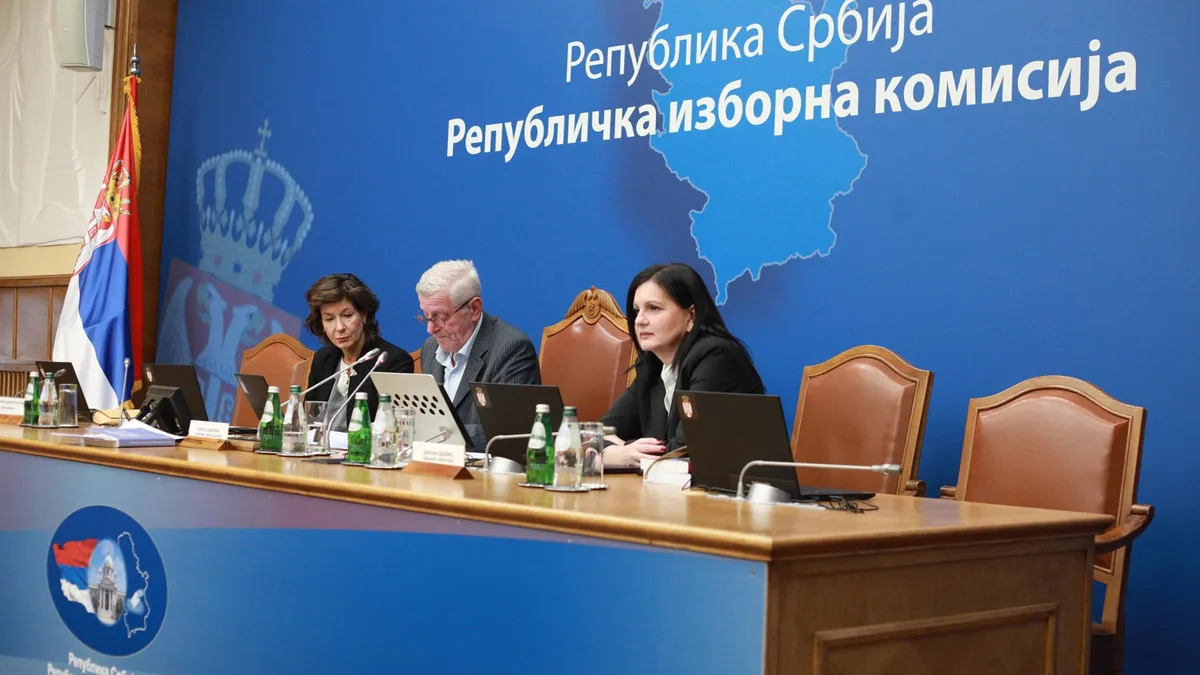
At its 74th session on November 2, the Commission amended its decision on forming the polling boards for these elections. It also changed its decisions on the working bodies for the municipalities of Presevo and Boljevac. Jankovic chaired the session.
The previous national council elections were held on November 13, 2022, and one council’s term lasts four years.