Kareja Asks RIK to Void Ballots Marked With a Code
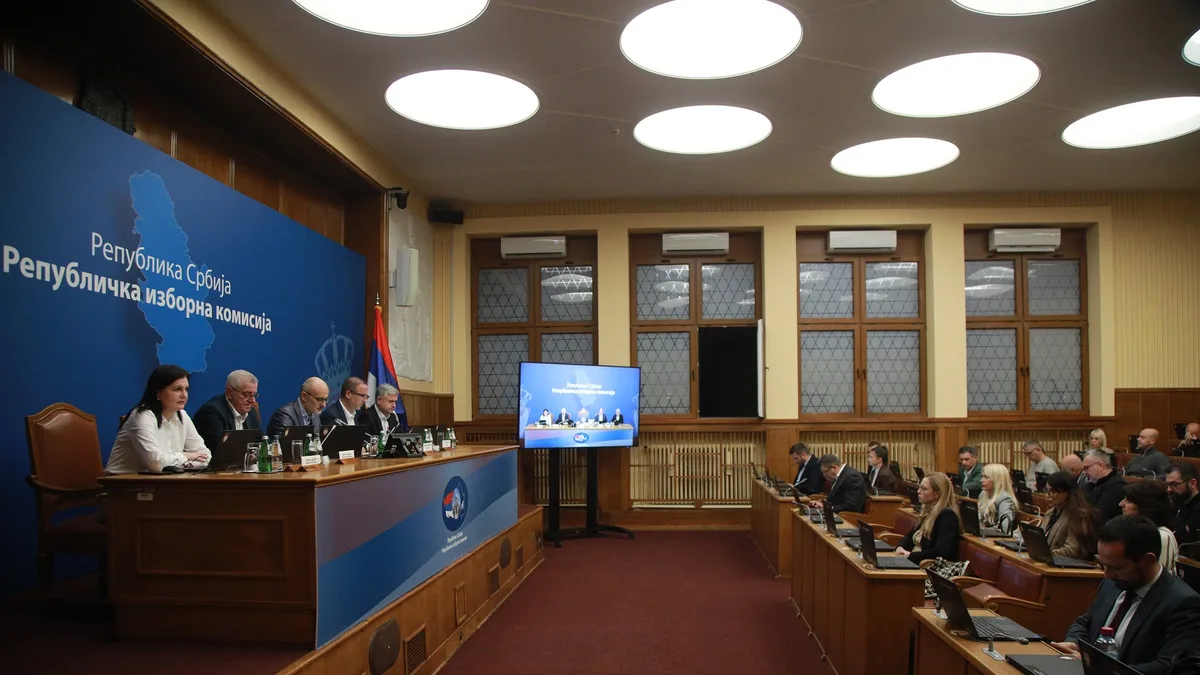
The Corruption Research Institute sent the Republic Electoral Commission a proposed binding instruction for polling boards, five days before snap parliamentary elections.
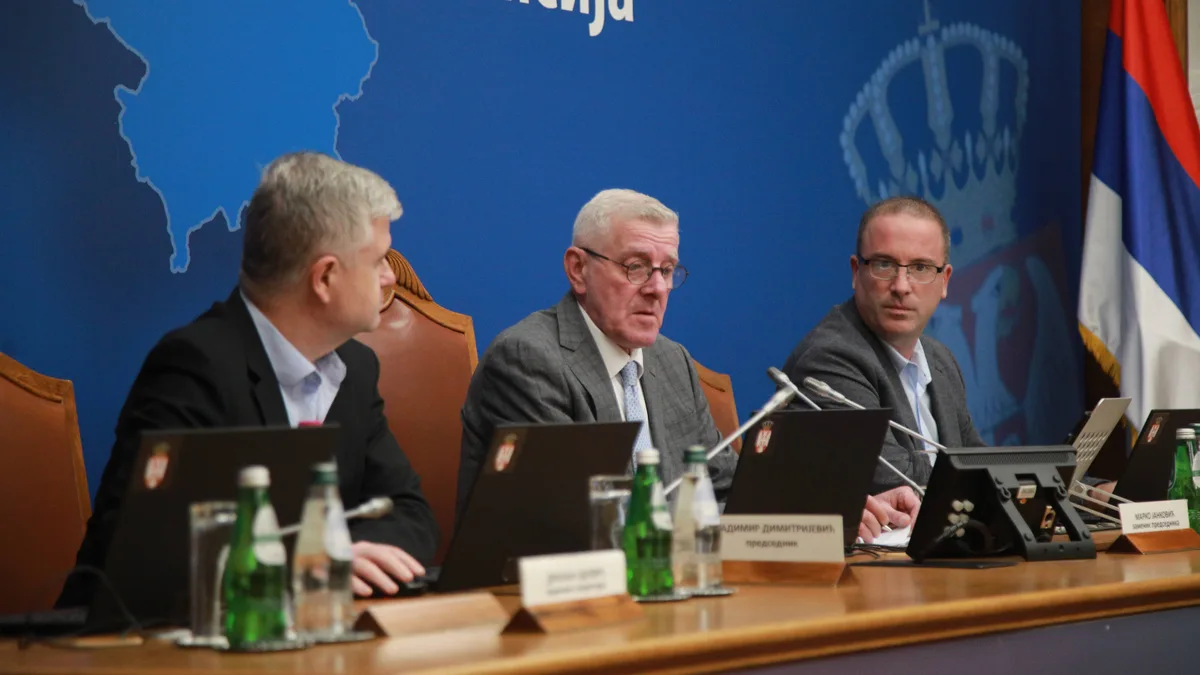
The Corruption Research Institute Kareja has proposed that the Republic Electoral Commission (RIK) declare invalid every ballot on which a code has been written. The proposal was sent on October 20, 2026, five days before the snap parliamentary elections scheduled for October 25.
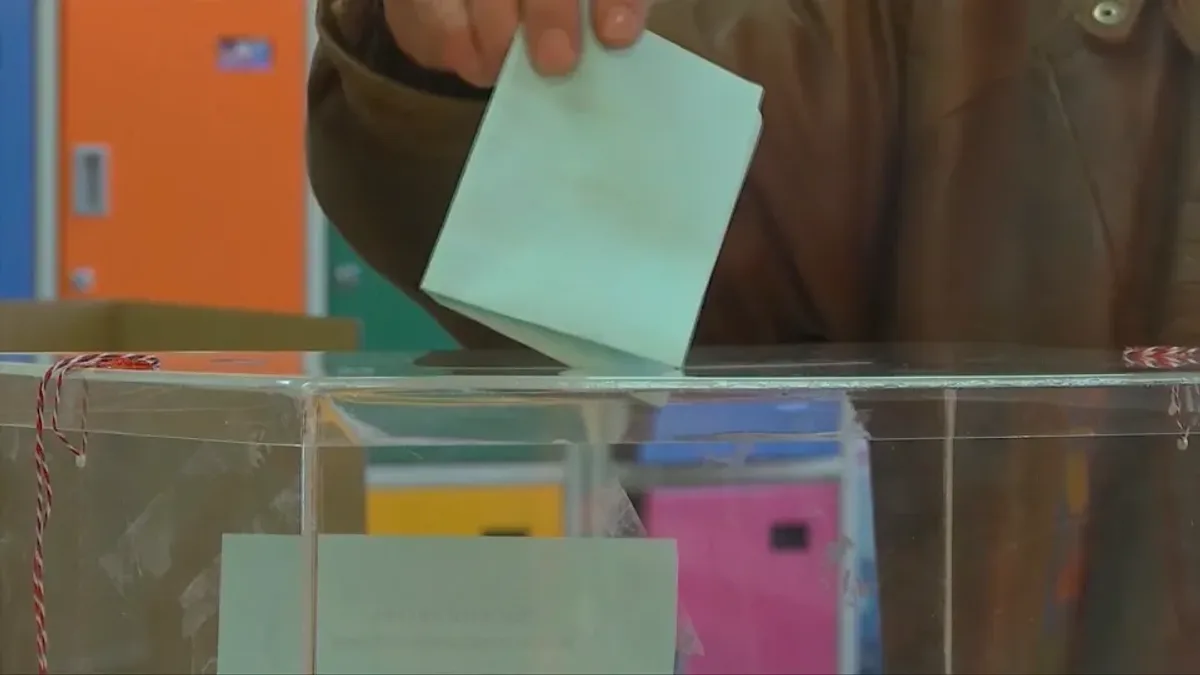
Kareja wants the RIK to urgently adopt a binding instruction for polling boards. Under the proposal, a ballot would be invalid if it carries a unique code, a serial number, a first and last name, or any other deliberate mark that does not express electoral will but reveals whom the voter chose.
What does Kareja claim about codes on ballots?
By observing past elections, the institute says, it has identified a systematic way of committing crimes against electoral rights. Voters, Kareja claims, are blackmailed into writing a combination of letters and numbers on the ballot, most often in the upper right corner. The institute cites Articles 155, 156 and 160 of the Criminal Code, as well as Article 52 of the Constitution, which guarantees the secrecy of the vote. The proposal itself explains what the code is for:
It is certain that this code serves as proof to the principals, when votes are counted, that the blackmailed voter actually voted for the demanded option, as well as a special form of assurance for the principal that the blackmailed voter did not alter the ballot after photographing it.
In this way, the institute argues, the crime is committed directly at the polling station and the secrecy of the vote is destroyed.
How do polling boards act now?
According to Kareja, boards currently accept such ballots as valid, relying on a general reading of Article 103 of the Law on the Election of Members of Parliament that the “electoral will is clear.” The institute takes the opposite view: a code shows that the vote was coerced, not freely expressed. For that reason, Kareja argues, the RIK should not allow a polling board to take part in confirming a result produced by a criminal offense.
What does the proposal ask of polling boards?
The instruction would, under the proposal, oblige boards to do three things:
- record every such ballot separately in the minutes, with the exact text of the code and the marking of the electoral list that was circled
- attach the ballot as separate evidence to the election material handed over to the local electoral commission
- stop the count and notify the competent prosecutor’s office and police if a representative of an electoral list is found with a list of codes or copying codes
Kareja also asked the commission for an urgent reply on the measures taken. As of publication, the RIK had not, according to available information, responded to the proposal. The institute’s appeal also carries a warning about the consequences:
Should such a reaction fail to materialize, the legality of the upcoming electoral process will be irreversibly compromised.
The institute holds that the RIK, as the highest body for conducting elections, is obliged to fill the legal gap and protect in advance the voters exposed to blackmail. The deadline is short: the elections are on Sunday, October 25.