Iran Hits Kuwait and Bahrain, US Strikes Back
Iran fired seven ballistic missiles at state targets in Kuwait and Bahrain; the US intercepted six and struck Iranian radar sites at Goruk and on Qeshm Island.

- Late Friday and into Saturday, Iran fired seven ballistic missiles at state targets in Kuwait and Bahrain.
- CENTCOM says it intercepted six of the seven missiles, while the seventh fell short of its target.
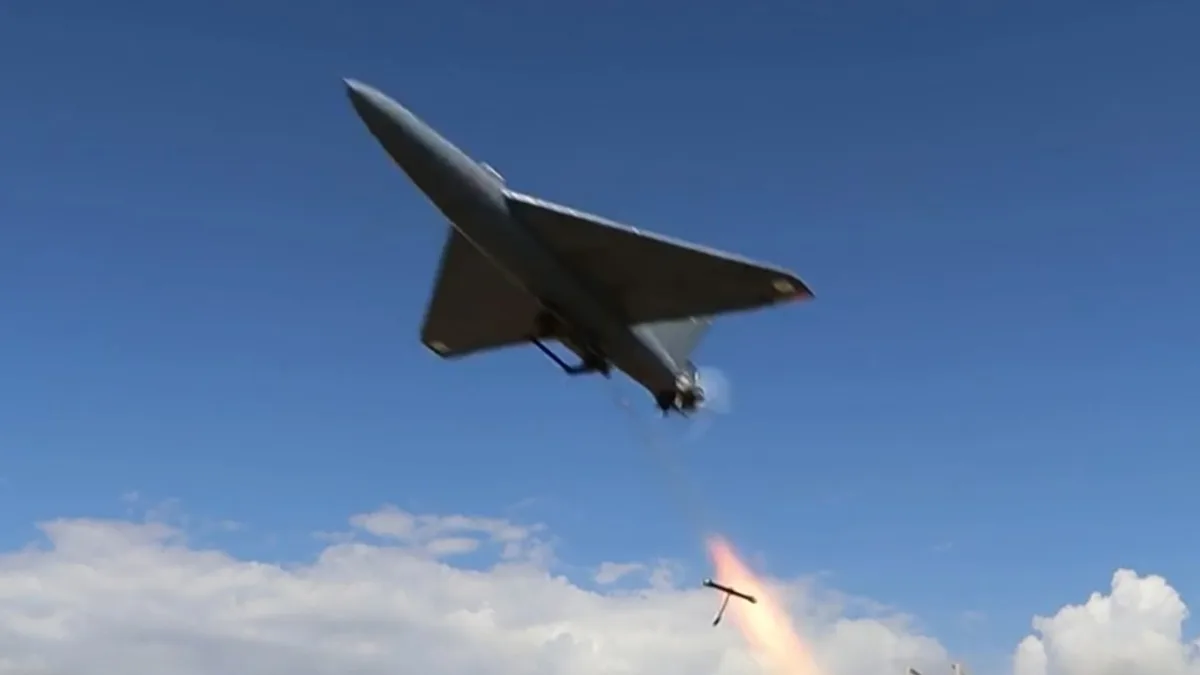
- Before the missile salvo, four Iranian attack drones heading toward the Strait of Hormuz were shot down, and the US then struck Iranian coastal radar sites at Goruk and on Qeshm Island.
- No US personnel were reported hurt, and Kuwait, Bahrain and Qatar condemned the attack and called for de-escalation.
What had looked, until Friday, like a contained tit-for-tat (Iranian drones over the Strait of Hormuz, then a US response) turned overnight into something far more dangerous. For the first time, Iran struck state targets in two neighbouring Gulf countries, Kuwait and Bahrain, and it did so with ballistic missiles. With that, the confrontation between Tehran and Washington spilled across Iran’s borders and drew in a region that had so far tried to stay out of it.
US Central Command (CENTCOM) said seven ballistic missiles were launched from Iranian sites toward Kuwait and Bahrain. Six were intercepted, according to the command, while the seventh failed to reach its target. Before that, US and allied forces had shot down four Iranian attack drones flying toward the Strait of Hormuz, the narrowest stretch of a corridor through which roughly a fifth of the world’s oil passes.
Washington’s answer came quickly. US forces struck Iranian coastal radar sites at Goruk and on Qeshm Island, saying the strikes were meant to defend against further attacks. Iran’s Revolutionary Guard (IRGC) claimed responsibility for the missile salvo and said it had targeted American bases, including the Fifth Fleet headquarters in Bahrain. CENTCOM dismissed the claims of damage to the Fifth Fleet headquarters as false.
Why is hitting Kuwait and Bahrain a red line crossed?
The difference from earlier strikes is not the number of missiles but the choice of targets. The drones over the strait threatened shipping and US vessels, but hitting state facilities in Kuwait and Bahrain amounts to a direct attack on sovereign countries that are not party to the conflict. Bahrain hosts the US Fifth Fleet, and Kuwait has for decades been one of the most important logistical anchors for the US military in the region.
That is why the response from neighbouring states was sharp. Qatar called the attacks a clear violation of sovereignty and urged de-escalation, and Kuwait and Bahrain reacted in much the same way. For the Gulf states this is the scenario they feared most: becoming the battleground for a fight that is not theirs, with missiles falling on their territory and the risk that any interception error could cost civilian lives.
What happens next at the Strait of Hormuz?
The diplomatic channel is not entirely shut. Pakistani minister Mohsin Naqvi travelled to Iran with proposals to revive talks between the US and Iran, the first concrete mediation attempt since the exchange escalated. The question, though, is whether any mediator can halt the spiral when both sides believe they are in the right and every fresh reprisal demands the next.
For Serbia this is not a distant story. Every spike in tension over Hormuz feeds into the price of a barrel, and from there into fuel import costs and inflation felt at every pump. As long as missiles keep landing on state targets in the Gulf and radar sites keep being hit in response, a ceasefire that was only just patched together remains nothing more than a word. How long can the region withstand this kind of exchange before a mediator manages to stop it?