Iran Hits Kuwait, UAE Bases, Sirens Wail in Bahrain
Kuwait's military reports intercepting Iranian missiles, Tehran targets bases in Kuwait and the UAE, sirens sound in Bahrain, and official Iranian sources disagree on the death toll.

The conflict between the United States and Iran, which has kept the Persian Gulf on edge for half a year, opened a new chapter this morning, and one with a direct line to the fuel prices Serbian consumers feel at the pump. The Gulf, through which roughly a fifth of the world’s traded oil normally passes, is now a theater of missile and drone strikes, and each new round pushes fuel prices higher far beyond the region where the fighting is taking place.
Kuwait’s military announced today, September 3, at 5:46 a.m. local time, that the country’s air defenses were repelling a missile and drone attack launched from Iran. “Kuwait’s air defenses are currently confronting hostile missile and drone attacks following treacherous Iranian aggression,” Kuwait’s military said in a statement posted on X.
What Iran named as targets
Iran’s military confirmed that this morning’s strike targeted two American air bases: Ahmad Al Jaber in Kuwait and Al Minhad in the United Arab Emirates. “This morning the military struck satellite communication systems, equipment depots and combat aircraft,” Iran’s armed forces said in an official statement carried by state television. According to the same statement, forces and radar systems at the Al Minhad base in the Emirates were also targeted.
Kuwaiti military sources explained that the loud explosions heard across several parts of the country came from intercepted projectiles rather than direct hits, an attempt to calm the population as a new wave of alerts unfolded. Sirens also sounded in neighboring Bahrain, and footage from the ground showed smoke in the sky over the north of the country as air defenses intercepted incoming projectiles.
As we reported when the US struck Larak Island, Iran retaliated at the time with missiles fired at Jordan. This time the retaliation widened to Kuwait and the UAE, and a day earlier, on September 2, Iranian strikes also hit Camp Titin in Jordan, described as the target of an intense ballistic attack, along with US bases near Erbil in Iraqi Kurdistan.
Why the casualty figures differ
The heaviest toll from the American strikes was recorded in the Iranian town of Kuhestak, on the coast facing the Strait of Hormuz. Iran’s Red Crescent said a strike on a house where a wedding was taking place killed four people, including a child, and wounded more than 50.
Official Iranian sources do not agree among themselves on the total number of casualties from the American strikes on Iranian territory over the past two days. Iran’s Health Ministry reported 18 people killed and 108 wounded nationwide. The Revolutionary Guard, meanwhile, gave separate, province by province figures: seven killed across three targeted sites in Khuzestan province, three Basij militia members killed on Lavan Island in the Persian Gulf, and four Guard air force personnel killed in the western province of Kermanshah, according to its own Wednesday statement. Even the sum of those figures, fourteen, does not match the Health Ministry’s total of 18, showing that Iranian officials themselves have not settled on a single count of the dead.
The attacks are not confined to land. On Monday a Saudi tanker was attacked near the Strait of Hormuz, killing two Filipino crew members. No one has claimed responsibility for that attack.
Reactions from the region and Washington
Kuwait’s Foreign Ministry issued a sharp assessment of Iran’s actions. “Iran’s actions represent a dangerous escalation that threatens the security and stability of the region,” the Kuwaiti ministry said in a statement. Secretary-General of the Gulf Cooperation Council Jasem Al-Budaiwi delivered a similar message, condemning the Iranian strikes as an open violation of the sovereignty of Kuwait, Bahrain and Jordan.
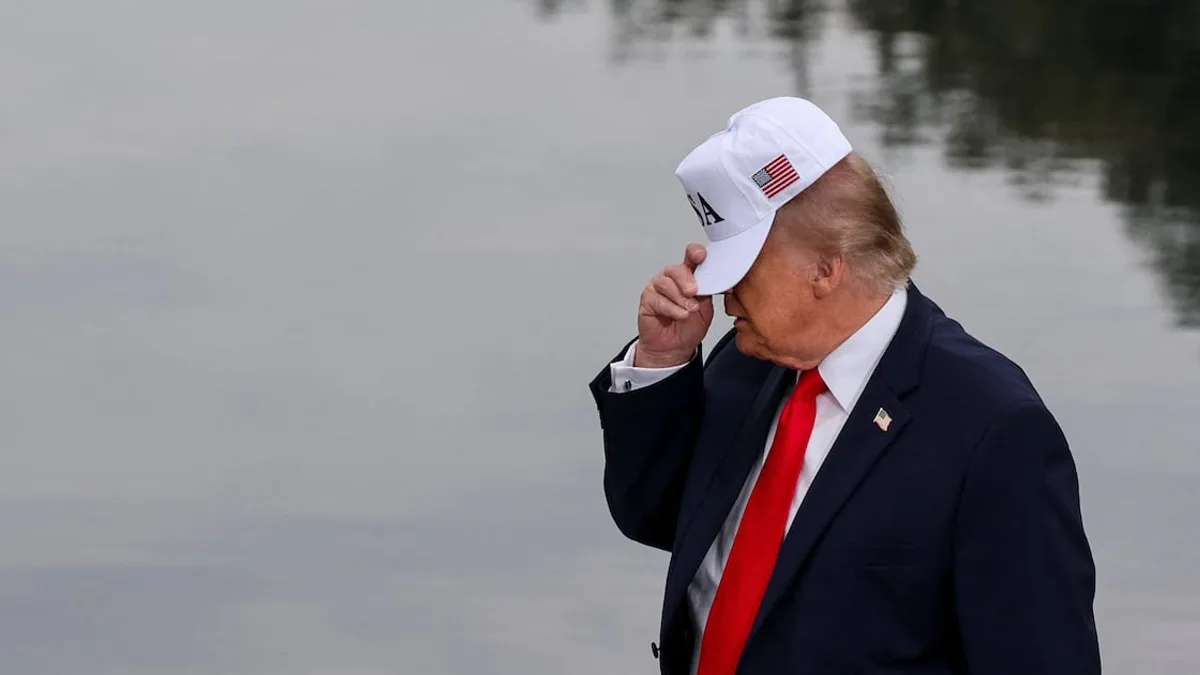
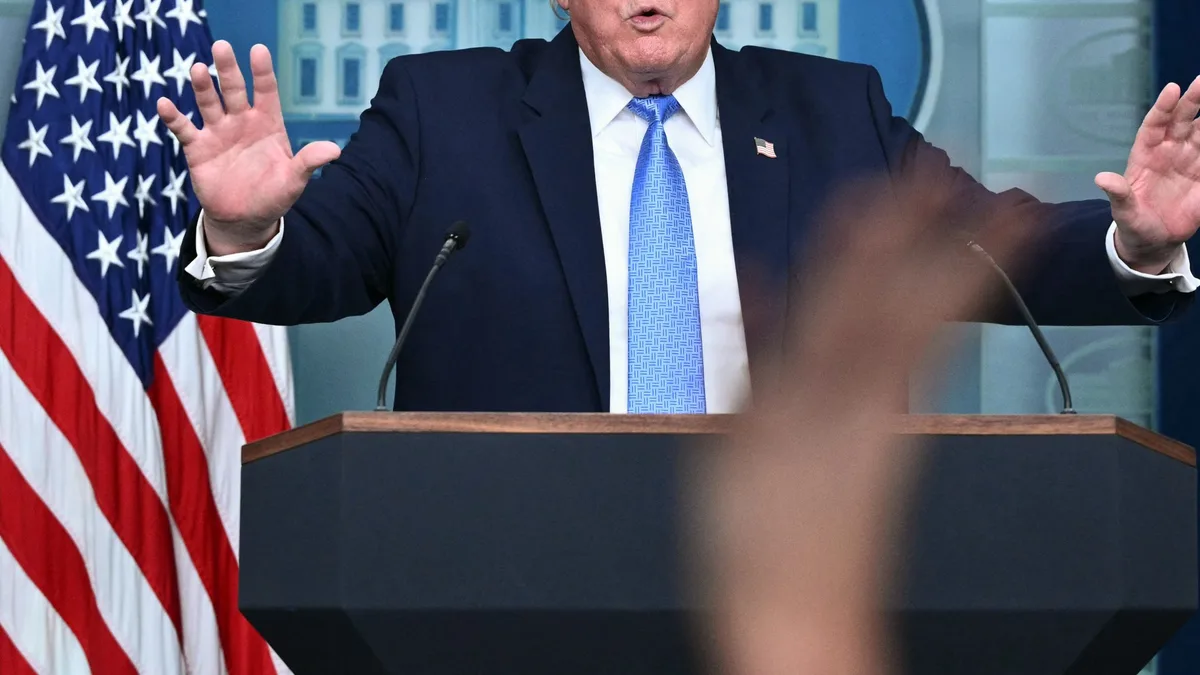
US President Donald Trump, speaking to reporters, made no secret that Washington sees itself as the master of the waterway carrying a significant share of the world’s oil. “We controlled, and we control, the Strait of Hormuz,” Trump said, before going a step further on social media with a question that sounded more like an announcement than a joke: “Now that it’s under the control of the United States of America, should we change the name of the Strait of Hormuz to the Trump Strait?” Trump also told reporters that the US exports ships carrying millions of barrels of oil through the strait every day, with Iran occasionally attempting to disable drones, though he did not give an exact number of vessels.
Secretary of State Marco Rubio, commenting on a memorandum of understanding signed in June, said US regional security cooperation with its Gulf allies would move forward regardless of the escalation. “That ship has, in many ways, already sailed,” Rubio said, suggesting the agreed cooperation framework can no longer be stopped.
Israel’s Defense Minister Israel Katz said Israeli forces would respond with overwhelming force if Iran attacks Israel, while UN Secretary-General Antonio Guterres renewed his call for Washington and Tehran to return to the negotiating table. Neither capital has so far made public a date for talks to resume.