NATO Summit Opens in Ankara as Allies Wave Billions
The two-day summit of all 32 NATO members has opened in Ankara. Mark Rutte wants concrete plans for 5 percent of GDP, while Europe pledges billions in military contracts to placate Donald Trump.

- The summit of all 32 NATO members opened in Ankara and runs on July 7 and 8, with a single goal: to hold the alliance's credibility together under pressure from Washington.
- Secretary General Mark Rutte set out three priorities, higher defense investment, stronger industrial production and support for Ukraine, with a target of 5 percent of GDP by 2035.
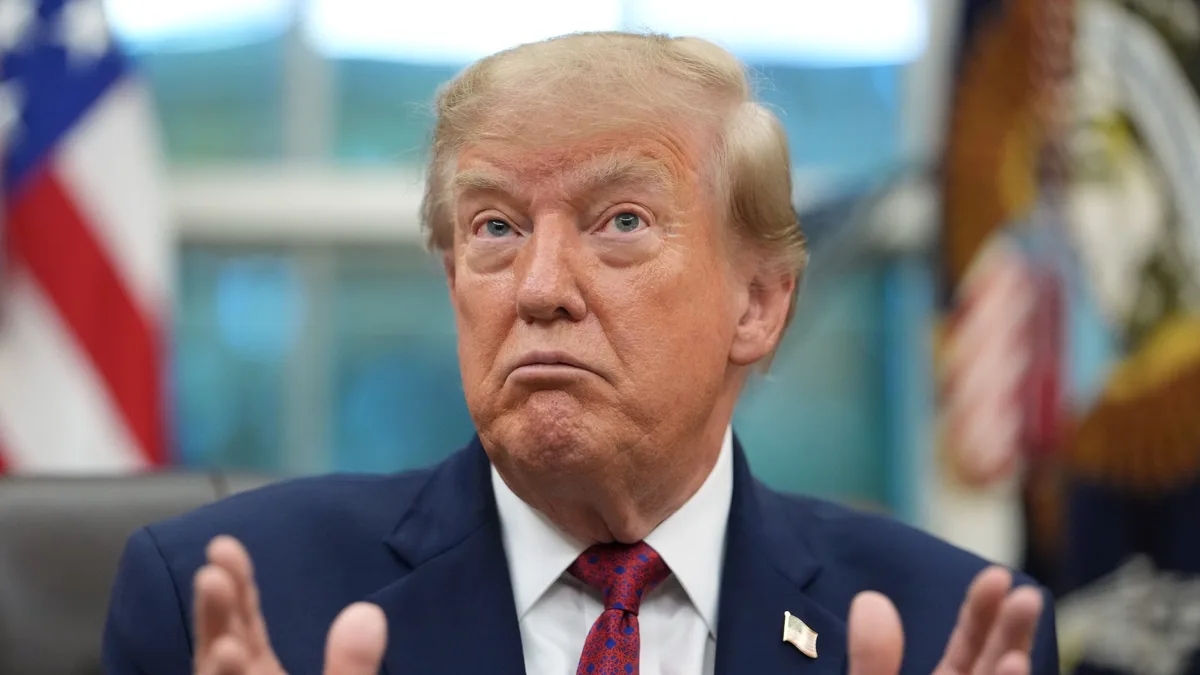
- European capitals are pledging billions of dollars in new military contracts to convince Donald Trump, who called Germany's contribution "ridiculous".
For Serbia, which balances between military neutrality and its European path, the Ankara summit is not a distant story: every decision about how much European members will invest in their own defense reshapes the security math across the continent, including its immediate neighborhood. The two-day gathering of all 32 members of the North Atlantic alliance opened today in the Turkish capital, hosted by President Recep Tayyip Erdogan.
Secretary General Mark Rutte opened the summit with a message that sounded more like an appeal than a celebration of unity. He named three priorities the allies must rally around: greater defense investment, a stronger defense-industrial base and continued support for Ukraine. Behind those words sits an agreed but still unmet target: 5 percent of gross domestic product for defense by 2035, of which 3.5 percent goes to core defense and 1.5 percent to broader security.
Why is Europe waving billions right now?
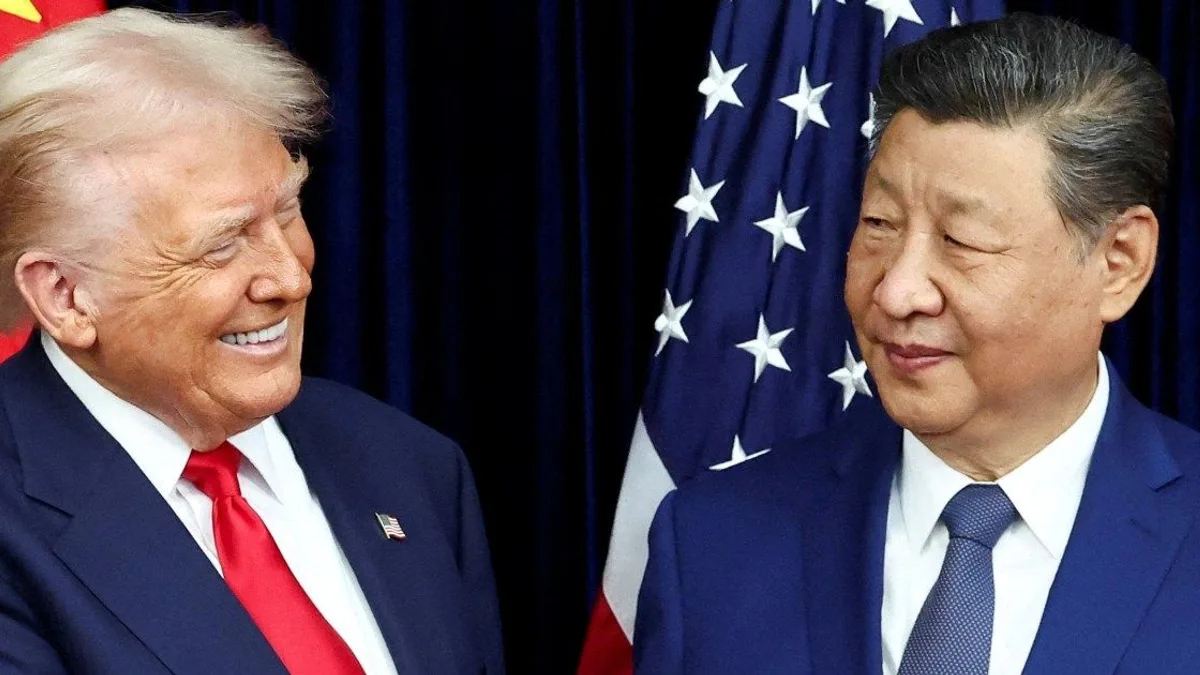
The answer is simple and has a name: Donald Trump. For months the American president has repeated that European allies live under the American military umbrella without paying enough for it. In Ankara that pressure took concrete form. European capitals arrive with pledges of billions of dollars in new military contracts, much of it for American weapons, to show they have heard the message and to keep Washington inside the alliance.
The diplomatic channel between Berlin and Washington stayed strained at the very opening. Trump called Germany’s contribution “ridiculous”, to which Chancellor Friedrich Merz replied that Germany is making its largest effort since the war. That exchange, procedural on the surface, reveals a tectonic shift: the transatlantic bond is no longer assumed, it is proven daily in numbers.
Ankara is not hosting member leaders alone. Ukrainian President Volodymyr Zelensky is present too, seeking new Patriot air-defense systems in a bilateral meeting with Trump as Russian strikes on Ukrainian cities intensify. South Korea’s President Lee Jae-myung is there as well, along with defense ministers from Australia, Japan and the Gulf states, a sign that the alliance increasingly looks beyond its traditional borders.
What does this summit mean for the region?
For the Balkans, the message from Ankara is twofold. On one hand, an alliance that asks its members for 5 percent of GDP inevitably raises the bar of expectation for countries that only aspire to membership or partnership. On the other, the internal tension over credibility and burden-sharing shows that even the world’s most powerful military alliance is not immune to doubt and bargaining.
The first day delivered more announcements than signed decisions. The real test comes on day two, when concrete figures are meant to replace diplomatic phrasing. If Ankara is remembered for the billions spoken aloud to calm one man rather than for a plan on paper, the alliance leaves weaker than it arrived. Do you believe European members will truly meet the promised 5 percent target, or is this a number that serves the present moment?