Croatia Parliament Debates Gospic Waste, Adds Ecocide Law
Croatia's parliament held an emergency session on the 37,000 tons of hazardous waste found near Gospic, as the justice minister announced a new ecocide offense punishable by life in prison.

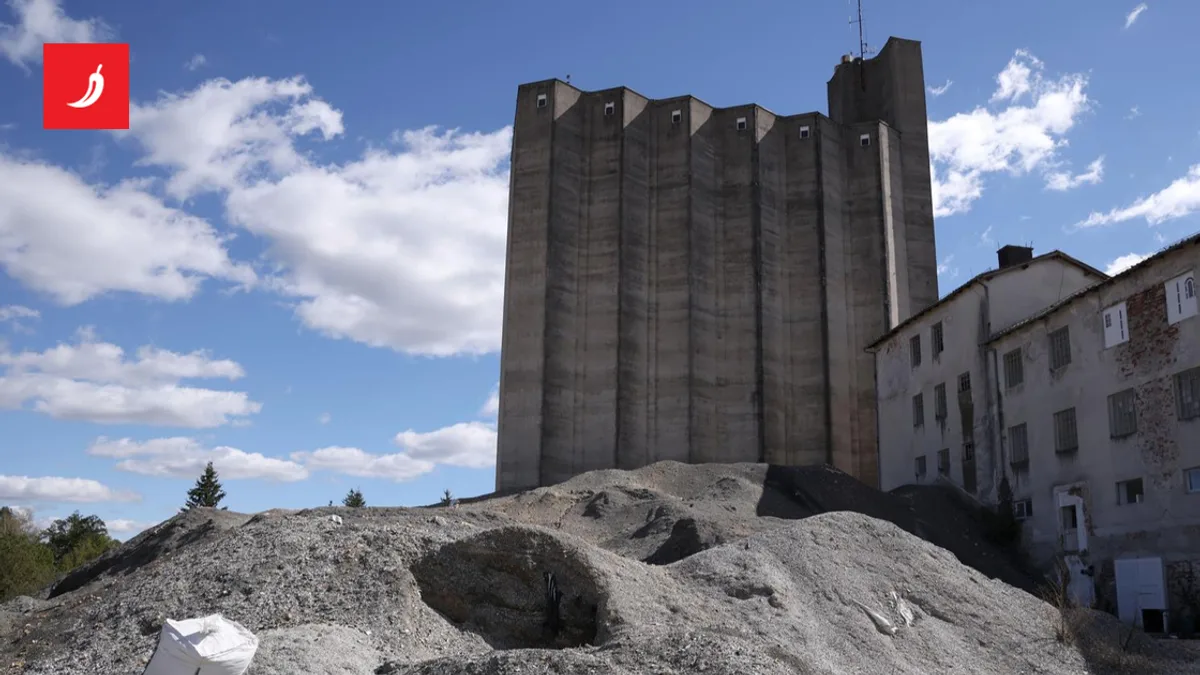
Croatia’s parliament, the Sabor, held an emergency session today, August 20, 2026, on the illegal hazardous waste site near Gospic, where lawmakers heard for the first time the scale of the investigation and a plan to introduce a new criminal offense of ecocide, punishable by up to life in prison. Although it is a domestic Croatian case, the topic hits close to home in Belgrade too: Croatia, as a European Union member, is introducing a crime that stems from an EU directive on protecting the environment through criminal law, and Serbia will have to open and close that same negotiating chapter on the environment, on its own path to EU membership. Portal Srpske previously reported on President Zoran Milanovic’s demand that the session be called, and it was held today, with the first concrete figures from the investigation now on the table.
Milanovic called the session at the opposition’s urging, as opposition lawmakers are demanding an urgent cleanup and an accounting of the government’s responsibility. At the site in question, according to figures presented during the debate, roughly 37,000 tons of hazardous waste was dumped between 2022 and 2024, averaging 45 tons a day, or about two truckloads every single day. Croatia imported 870,000 tons of waste in 2024, of which 720,000 tons went through the so called notification procedure, meaning it had the state’s approval.
What was found in Gospic
Over a period of more than two years, the site was subject to 21 inspections, while 71 complaints came in from owners of private wells in the same area asking for their water to be tested. The investigation by Croatia’s Office for the Suppression of Corruption and Organized Crime (USKOK) covers, according to the figures presented, 14 people and four legal entities.
Milanovic asked the Sabor to adopt four conclusions: a permanent cleanup of the site with continuous groundwater monitoring, a meeting between government representatives and local residents within three days, the appointment of a chief state inspector within 15 days, and an inspection of every site in Croatia suspected of illegal waste dumping, with a report back to parliament within three months.
What does introducing ecocide mean?
Justice Minister Damir Habijan announced that amendments to the Criminal Code will introduce a new offense, ecocide, with no statute of limitations.
“From 10 years to life imprisonment for offenses of this kind,” Habijan said during the Sabor session, adding that prosecutors will no longer have to prove a perpetrator’s direct intent to damage the environment, since negligence will be enough to establish guilt.
The proposed amendment to the Act on the Liability of Legal Persons raises the maximum fine for companies from the current 20 million euros, or 25 million euros in cases involving a criminal organization, to 50 million euros.
An answer to the question of whether the imported waste is dangerous to human health also came from the relevant ministers. Asked whether the air in Gospic is a health hazard, Agriculture Minister Marija Vuckovic said measurements show no contamination.
“All air measurements show that the air is safe,” Vuckovic said, announcing stepped up monitoring of soil, air and water in the coming period.
Health Minister Irena Hrstic addressed water quality, saying that “the water in the Gospic area and Lika-Senj County is healthy” and that monitoring so far shows no increase in cancer cases compared with the rest of Croatia.
“I ask the residents of Gospic and the county to trust the findings. Our goal is not to hide anything, but to protect residents’ health,” Hrstic said.
Neither Prime Minister Andrej Plenkovic nor President Milanovic, who had requested the session, attended. The debate also raised the question of accountability: opposition lawmakers demanded an explanation for how the system allowed waste to pile up for two years despite 21 inspections, while representatives of the ruling majority dismissed the accusations as an attempt to politicize the issue.
Behind the debate lies a practical question too: when the waste will actually be removed. A public procurement process for cleaning up the site is under way, with results expected in six days. Until then, it remains open whether the Sabor will adopt Milanovic’s conclusions, and whether ecocide, the offense Croatia is introducing to align with the European Union directive, will eventually become part of Serbia’s Criminal Code as well, once Belgrade opens its own negotiating chapter on the environment.