Gospic Waste Protest Heads to Zagreb on September 5
The Gospic Is Our Home initiative has announced a Zagreb protest for September 5 over hazardous waste in Lika. No politician will speak, organizers say, after a parliamentary session collapsed.

From Belgrade, the Croatian story about waste in Gospic is being followed as a familiar kind of dispute: whether an environmental crisis is allowed to become a battleground for political point scoring before it actually gets solved. Organizers of the protest over hazardous waste in Lika said today that no politician will speak from the stage at the large rally in Zagreb on September 5, and they rejected claims that any political party is behind the initiative. The announcement comes four days after a parliamentary committee session collapsed in a dispute over whether citizens are allowed to ask questions the way lawmakers do.
The protest, titled “Walk for Lika, Walk for Croatia,” is being organized by the civic initiative Gospic Is Our Home and the Lika Ecological Action association. It is set for Saturday, September 5. The exact location and schedule have not yet been announced, organizers say details will follow in the coming days.
Vjekoslav Busic of the Gospic Is Our Home initiative denied claims that the rally has party backing, in comments given to the newspaper Novi list and carried by Index.hr:
Of course we cannot control whether some politicians give statements to the media after the rally, but the only organizers are us: activists and local residents, and there is no politics involved with us.
No official or lawmaker will appear on stage, organizers say, though they acknowledge they cannot stop politicians from commenting to reporters once the rally is over. Busic also rejected claims by some lawmakers that the initiative is close to the Mozemo party, as well as earlier accusations that it is backed by the HDZ, Most or HSP. He said he moved to Gospic from Zagreb three years ago, together with his wife who is from the town, to live a healthier life close to nature, and that this is how he became an activist in the fight against hazardous waste.
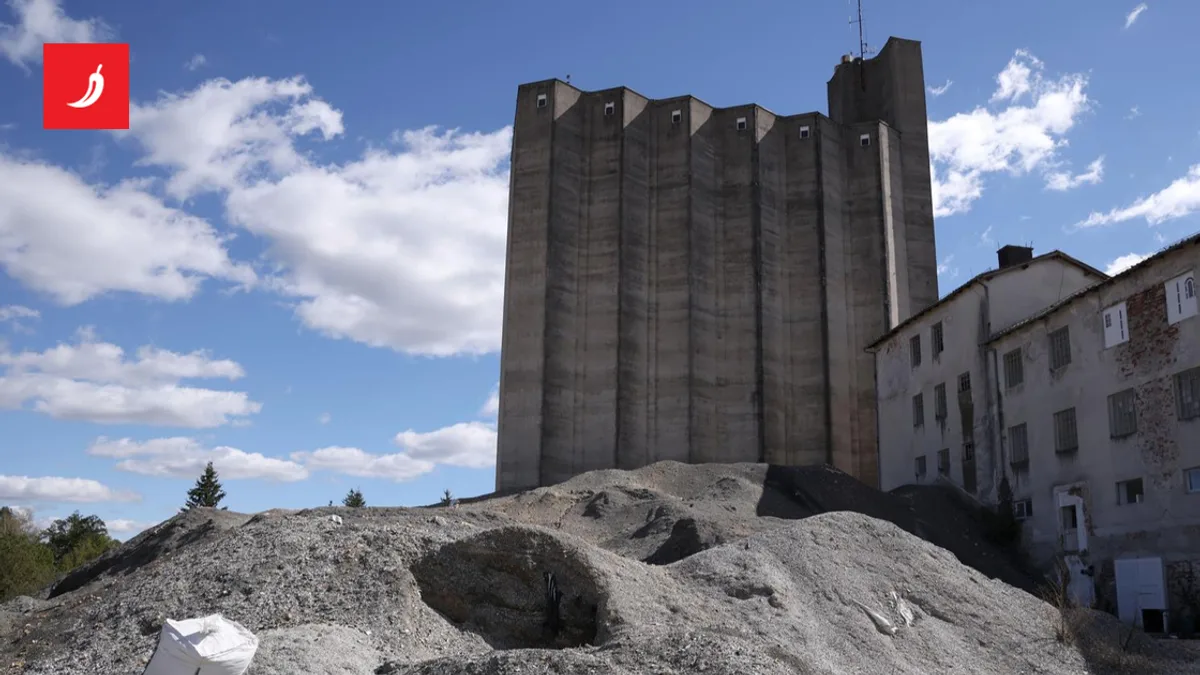
The protest’s goal is the urgent cleanup of the dumped hazardous waste and the protection of residents’ health. Organizers are pushing for what is known as ex situ remediation, meaning the full removal of the waste from the sites in Lika under proper professional standards, following similar solutions used elsewhere in Europe. Busic also pointed to a problem less known to the public: part of the hazardous waste has been mixed in with municipal waste at the Rakitovac city landfill, where it is not covered and is treated as ordinary trash, even though by law it should be handled as hazardous.
A Session That Collapsed Over the Right to Ask Questions
The trigger for today’s announcement was an extraordinary session of the parliamentary Committee on Environmental Protection, held on August 18, which initiative representatives walked out of mid debate. The dispute broke out over whether citizens are allowed to ask questions and follow up the way members of parliament do. Committee chair Dusica Radojcic proposed giving public representatives priority in asking questions, while deputy chair Zeljko Lackovic argued they do not have the same rights as members of the Sabor, Croatia’s parliament. Along with nine initiative representatives, lawmakers from the left opposition and the Most party also walked out of the session.
“Once again, the health of the population has been completely disregarded,” Busic said after the session, adding that the initiative has spent months demanding the release of the analyses, concrete deadlines and a remediation model, and has instead received only new decisions to postpone. Portal Srpske previously reported that the Sabor rejected the conclusions proposed by President Zoran Milanovic on the same crisis, when he called a special session of parliament. Busic believes Milanovic’s proposals were also largely declarative, but that they contained more concrete deadlines than the conclusions the ruling majority ultimately adopted, under which the Sabor will not be briefed on the measures taken until after 90 days.
For Belgrade and the region, the story is also worth watching because Croatia, as a European Union member, is required to clean up hazardous waste sites under the same EU rules that Serbia, as a candidate country, will eventually have to adopt. How Zagreb resolves the dispute between institutions and citizens, in other words whether the cleanup proceeds under the ex situ model demanded by activists in Lika, could become a reference point for similar disputes in the region, where environmental demands from citizens often turn into a fight between government and opposition instead of a concrete solution.
Details on the location and schedule of the Zagreb protest are expected in the days before September 5.