Bijeljina vote: scanners down at dozens of polling stations
City Election Commission chair Dijana Savic Bozic says operators and board members kept quitting through the night, while sources disagree on how many stations are affected.
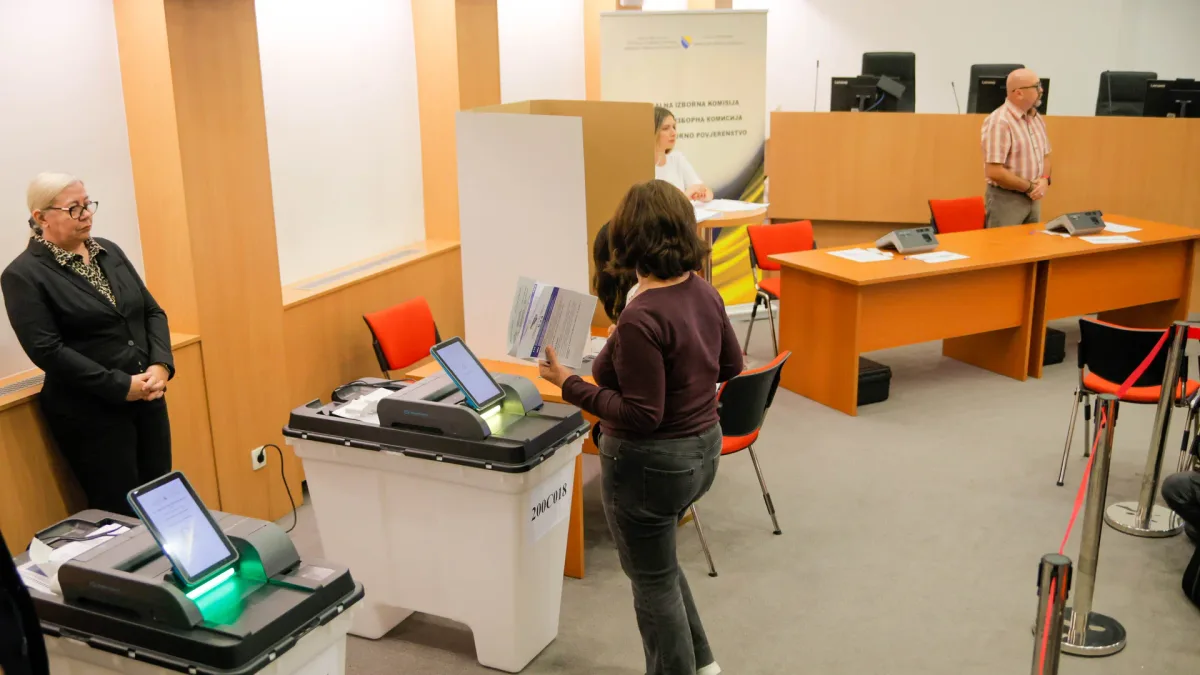
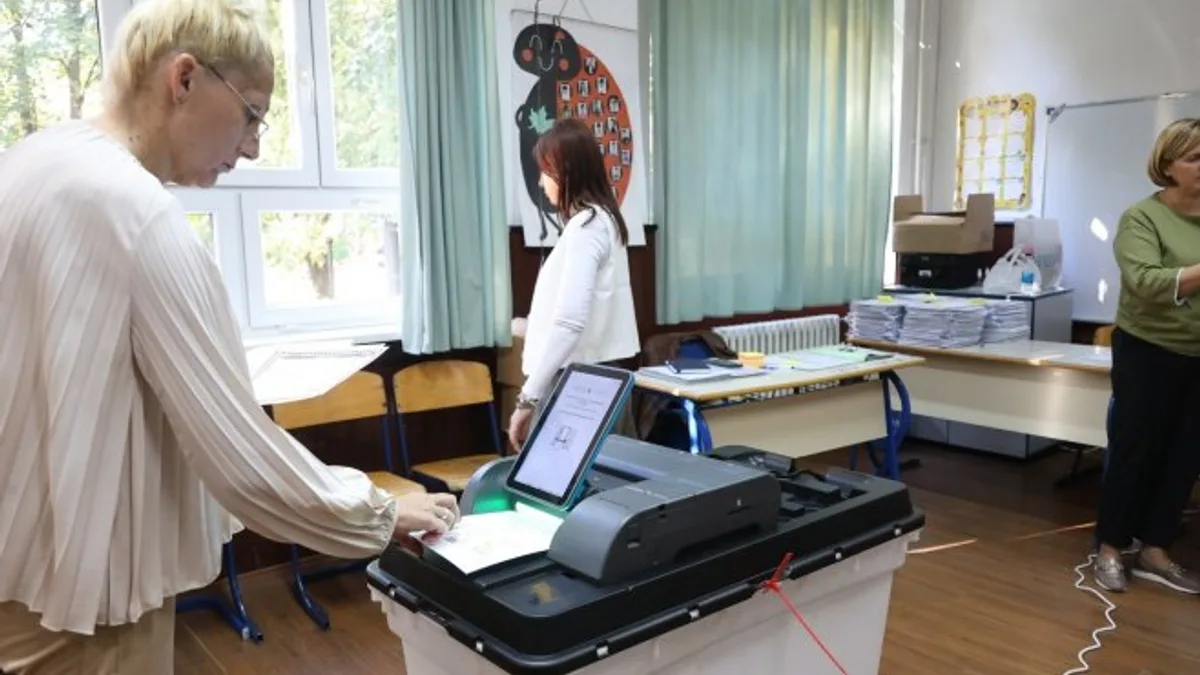
The vote in Bijeljina began with a breakdown: at dozens of the city’s 184 polling stations, scanner voting did not start on October 4. Bijeljina, a city on the border with Serbia, is the second largest electoral unit in Republika Srpska, with more than 111,000 voters, and Central Election Commission (CEC) of Bosnia and Herzegovina chair Jovan Kalaba said it was where most of the problems occurred.
How many polling stations did not open?
Sources disagree. Nezavisne novine reported at 8:10 a.m. that scanner voting had not started at 30 of 184 stations, while Faktor put the number at 34 at 8:41 a.m. Oslobodjenje also writes about 34 stations and adds that 150 polling stations did open, which adds up with the higher figure. None of the outlets explains the difference.
The figures came from Dijana Savic Bozic, chair of the Bijeljina City Election Commission. According to her, the affected stations had no operators who could establish why the scanner would not start and request technical help. The City Election Commission also said it received no answer to its calls to the CEC.
Who walked away from the polling stations?
Savic Bozic described the situation on the polling station boards in a statement to the media:
At a certain number of polling stations, members or chairs of the polling station boards have given up, they were giving up overnight too, and a large number of operators have given up as well. We are working on that problem too
Chairs and board members withdrew precisely where the scanners are not working, and some operators quit during the night. Savic Bozic reminded reporters that operators are appointed by the CEC, and that, as she put it, seven mobile teams are working in the field.
She said the City Election Commission has no authority to bring in replacements:
We have no power or possibility here to engage anyone, or to send our own IT technicians, whom we could privately ask to go and get things started
She added that at stations where the scanners have not started, people cannot vote the old way either, until an operator determines that the equipment cannot be started and calls technical support. With no operators at those stations, switching to manual voting can happen only once people who are not there confirm it.
Manual voting without approval
At some stations, boards did switch to manual voting anyway. According to the City Election Commission chair, that is not in line with the law, because the CEC must approve such a method after a request and the prescribed procedure.
What did the CEC say after 11 a.m.?
Kalaba told a news conference that some polling stations in Bosnia and Herzegovina did not open at 7:00 a.m., that some are still closed, and that others opened and then closed because of difficulties with the election technology. On Bijeljina he said:
Most of the problems were in Bijeljina, but the situation has stabilized and there only one polling station has not opened by 11:00 a.m.
By 11:00 a.m., 406,847 voters had cast ballots, or 11.94 percent. There are 3.4 million eligible voters in Bosnia and Herzegovina and another 48,000 abroad. Turnout is lower than in the 2022 general elections, when it stood at 15 percent. Voters are choosing 518 officeholders from among 7,028 certified candidates, from the president and vice presidents of Republika Srpska and the Presidency of Bosnia and Herzegovina to cantonal assemblies.
We reported earlier that the CEC had confirmed the conditions for fingerprint checks and scanners.