Montenegro Bans Brazilian Meat, 102 Tonnes Held in Bar
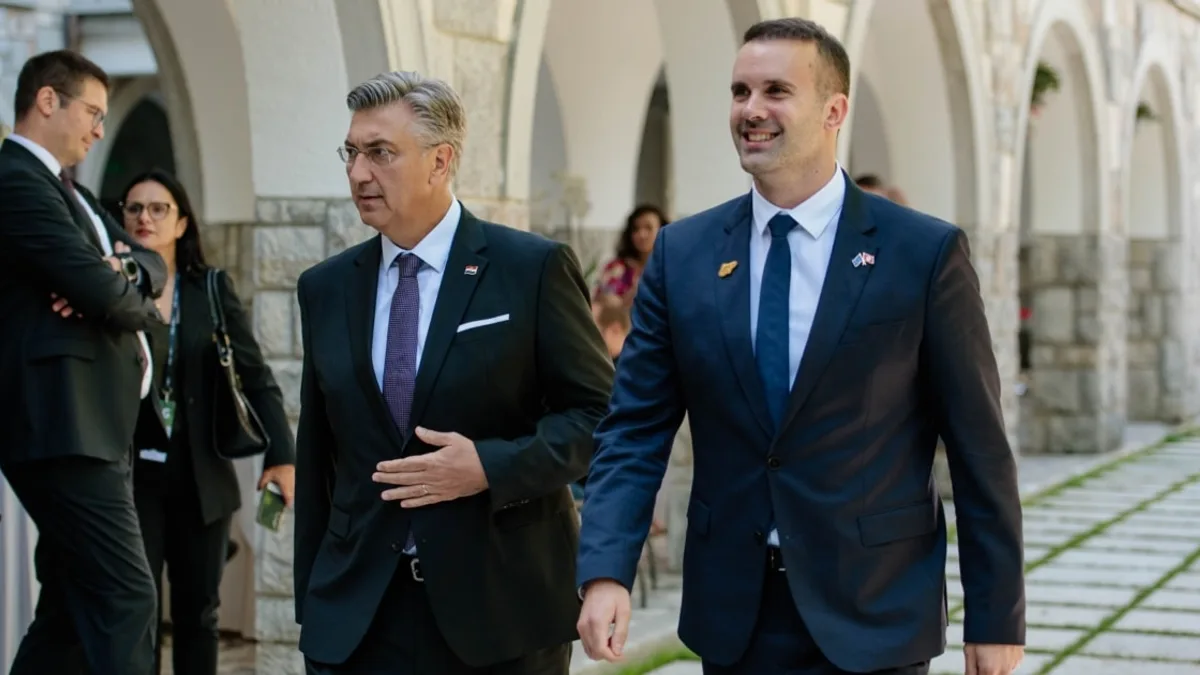
Vladimir Dakovic, head of Montenegro's food safety agency, confirmed the ban on Brazilian meat imports and the sampling of containers at the Port of Bar bound for Kosovo.
Montenegro has halted imports of Brazilian beef and poultry, and 102 tonnes of Brazilian meat that was meant to transit to Kosovo are now under customs control at the Port of Bar. The ban and the sampling were confirmed last night on RTV Podgorica by Vladimir Dakovic, director of the Administration for Food Safety, Veterinary and Phytosanitary Affairs. The case shows how a European Union measure plays out in Serbia’s neighborhood.
Why is Brazilian meat banned?
Brazil is no longer on the list of third countries from which European Union rules allow imports of beef and poultry. The reason is that Brazil failed to show that antibiotics used as growth promoters were kept out of its livestock farming. Montenegro, as a candidate country, follows that decision. Meat certified up to and including September 3 may be sold, while imports of shipments certified from September 4 are banned.
Dakovic told RTV Podgorica:
“So, for such shipments, the import of meat into Montenegro is banned”
The size of the market being closed is clear from figures Dakovic gave Pobjeda on September 4: in 2025, Montenegro imported 2,108.65 tonnes of Brazilian poultry and 1,819.24 tonnes of Brazilian beef.
What was found at the Port of Bar?
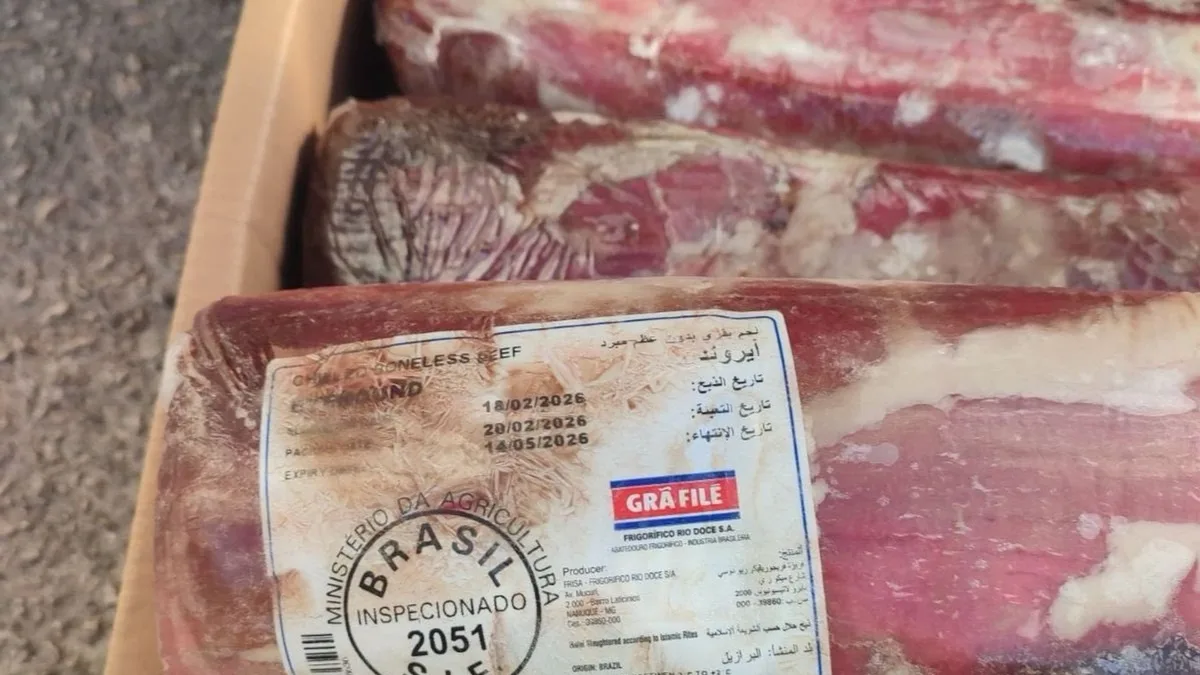
Dakovic said the agency took samples after being alerted by the Customs Administration, that the meat turned out to be past its expiry date, and that such a product is declared non-compliant for any market. Goods like that are returned or destroyed, in line with the law.
The chronology came from Montenegrin customs itself. On September 15, the Customs Administration announced that at the Port of Bar it had stopped the onward transit of three containers of frozen beef of Brazilian origin, with a total gross weight of 77,841 kilograms. According to its statement, the containers had been removed from customs supervision without the authorization of the customs authority, and in a cold store workers hired by a company from Kosovo were swapping the labels:
“They removed the original labels stating the expired shelf life of the frozen beef, after which new, falsified labels with a new, that is, altered, shelf life were put on,” the Customs Administration said.
Later in September, customs officers in Bar also inspected a fourth container, holding 1,321 packages with a gross weight of 24,650 kilograms, whose shelf life had expired on May 14, 2026. This time the consignee was named: Apetit SHPK of Kosovo. Together with the first three, that comes to 102,491 kilograms. The Customs Administration added that irregularities involving the same company had been recorded at the port of Durres in Albania, and that the World Customs Organization has been notified of the case.
Sources differ on the number of containers. In a statement carried by Borba, samples from three containers are mentioned, but that refers to the first round of sampling, and four were stopped in total. The meat from the first three will be destroyed once the legal procedures are complete.
What does Kosovo say?
Kosovo’s Food and Veterinary Agency said it opened an inspection of the company on September 18, three days after Montenegrin customs issued its first statement, and that it is checking the full traceability of the products. It did not say whether meat from the disputed shipments reached Kosovo buyers.
Dakovic says meat of doubtful origin does not reach Montenegrin shelves, because it passes a customs check by veterinary inspectors at the border and monitoring afterward. He adds: “food safety knows no zero risk.”
The import ban and the Port of Bar case are two separate matters: the first follows from the European Union decision on antibiotics, while the investigation in Bar concerns expired shelf life, swapped labels and an attempted transit to Kosovo.