Biljana Plavsic Laid to Rest: Burial in Banja Luka
A funeral service for the former president of Republika Srpska was held at Belgrade's Novo Groblje cemetery. A memorial and burial follow tomorrow in Banja Luka.
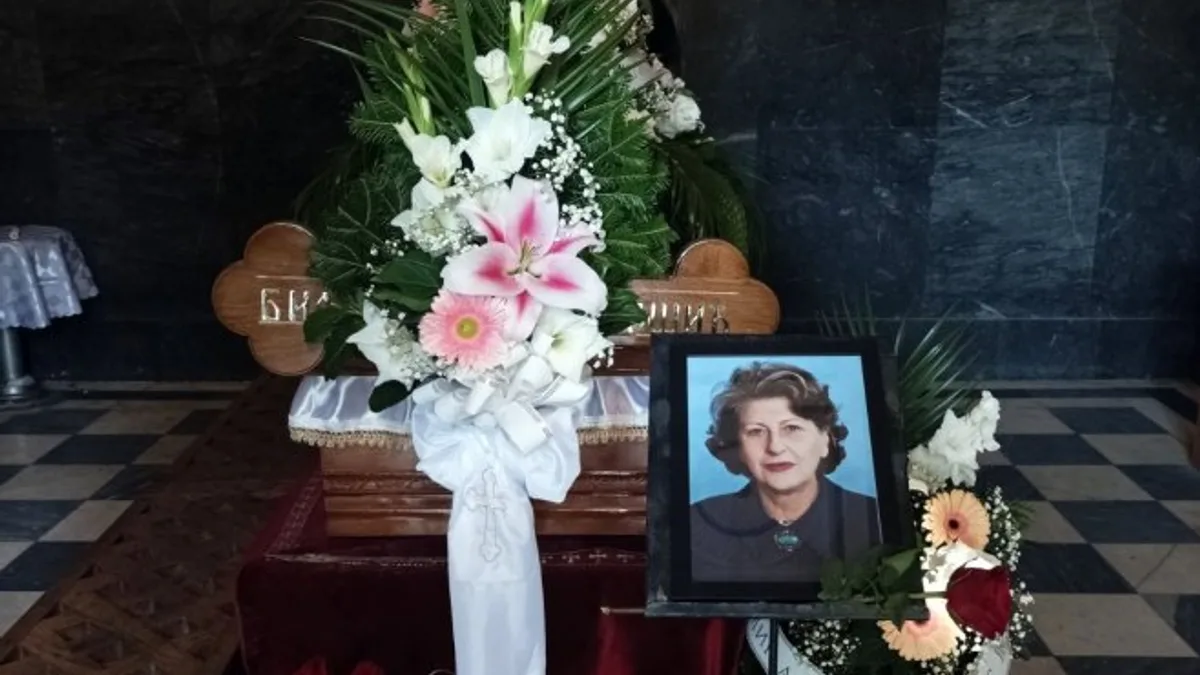
A funeral service for the former president of Republika Srpska, Biljana Plavsic, was held today, October 6, 2026, at Novo Groblje cemetery in Belgrade, five days after she died in the Serbian capital. Plavsic died on October 1 in Belgrade, in her 96th year, and after the service her coffin was sent on to Banja Luka, where she will be buried.
What is the schedule for tomorrow in Banja Luka?
The memorial is set for October 7, starting at 10 a.m. at the Banski Dvor in Banja Luka. The burial follows the same day at 1 p.m. at Banja Luka’s Sveti Pantelija cemetery. The ceremony thus moves from Belgrade to the city where, as Slobodan Zupljanin notes, Plavsic relocated the key institutions of Republika Srpska during her presidency.
What does the veterans’ organization say about her?
Slobodan Zupljanin, president of the Veterans’ Organization of Republika Srpska, spoke to the news agency Srna about Biljana Plavsic’s life and political path. He recalled that during the war she mostly did humanitarian work and very often visited the fighters of the Army of Republika Srpska at the front, offering them support. He described her attitude toward the breakup of the shared state this way:
Like most of the Serb intellectual elite, the war and the breakup of Yugoslavia caught her off guard, and she had a hard time coming to terms with the new situation.
She was elected president of Republika Srpska in 1996. Zupljanin ties that period to the move of the center of power:
After the war, in the 1996 elections, she became president of Republika Srpska. She soon moved the key institutions of Republika Srpska to Banja Luka, which became the administrative and state center, from where a strong initiative began to spread the truth about Republika Srpska around the world.
What happened after the war and before The Hague tribunal?
The Hague tribunal sentenced her to 11 years in prison, and she served nine. Zupljanin said of this:
In the end, despite her cooperative approach, they sentenced her to 11 years, and she served nine years of a harsh sentence in European prisons alongside hardened, classic criminals.
According to him, Plavsic belonged to the Serb intellectual community and was devoted to scientific work, and as a scientist she traveled the whole world. He closed his remarks on her with lines describing the end of her career:
Plavsic ended her working and political career in Banja Luka. She was known for her modesty and empathy for people.
After tomorrow’s memorial at the Banski Dvor and the burial at Sveti Pantelija cemetery, the farewell to Biljana Plavsic will end in the city where, as Zupljanin put it, she finished her working life.