Hungary Regains Access to 4.2 Billion Euros in EU Funds
The EU Council ended the conditionality procedure opened in 2022 by qualified majority, so Hungary can rejoin Erasmus Plus and Horizon Europe.
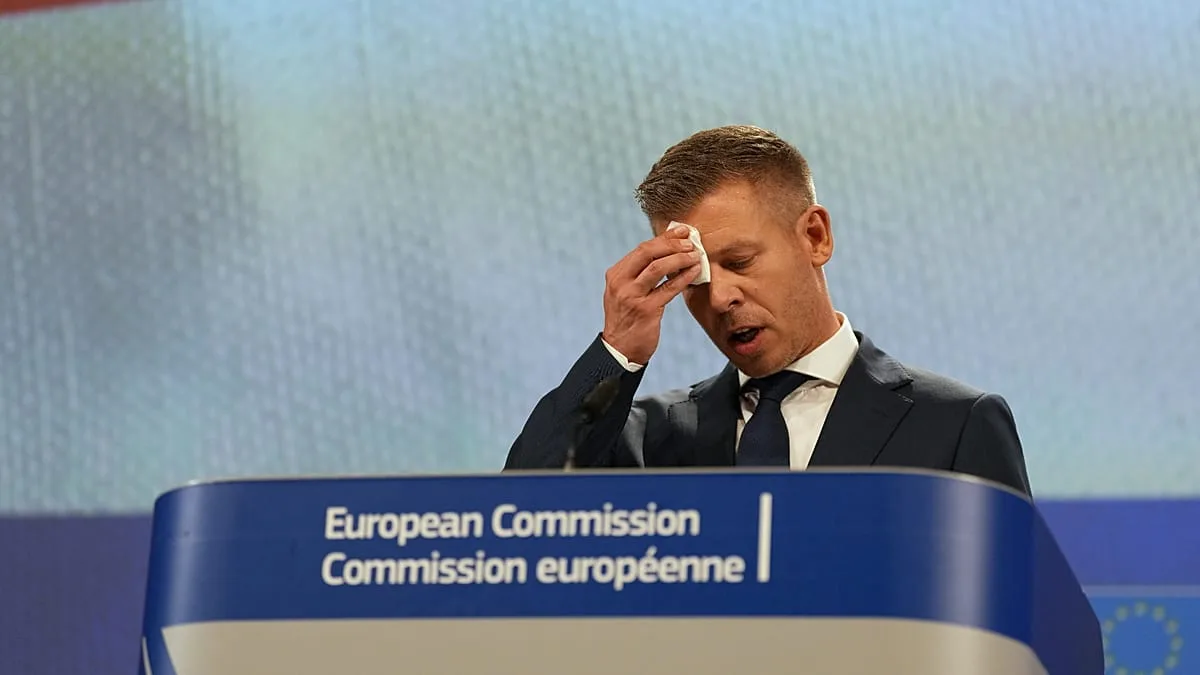
The Council of the European Union on Tuesday, October 13, 2026, ended the conditionality procedure against neighboring Hungary, releasing 4.2 billion euros in cohesion funds for the 2021-2027 period. The decision was taken by qualified majority, on a proposal from the European Commission.
The procedure was launched in 2022, under the government of Viktor Orban, over the risk of corruption in the spending of EU money. The Council then suspended 55 percent of commitments under three cohesion programs, a total of 6.3 billion euros. The figure later fell to 4.2 billion because Hungary permanently lost one billion euros at the end of 2024 and again at the end of 2025.
What did Hungary change to get the procedure closed?
In September 2026 the Commission recommended closing the procedure, after measures adopted by the new government of Peter Magyar. They include:
- expanded powers for the Integrity Authority
- an asset declaration system
- greater transparency for public interest foundations
- broader judicial review of prosecutors’ decisions
- tighter oversight of public procurement
The Tisza party, led by Magyar, took power after winning the election. European Commission President Ursula von der Leyen welcomed the Council’s decision on X with the words: “A new chapter begins today. For Hungary and for Europe.”
Does the money arrive all at once?
No. The funds are paid out as reimbursement against invoices for work already completed, in line with program rules and recovery procedures. Lifting the conditionality only removes an obstacle; it does not mean a one-off transfer of 4.2 billion euros.
What changes for universities and students?
Universities run by public interest foundations can again take part in Erasmus Plus and Horizon Europe. Since 2022 they have been unable to sign new agreements involving EU money, and until the fall of 2024 none of them could send students on Erasmus Plus exchanges.
The decision does not mean exchanges resume immediately. The fall semester has already begun, and universities still have to take on obligations under the new decision, so the spring semester is the earliest realistic date for Hungarian students to return.
Tisza member of the European Parliament Viktor Vajs welcomed the decision in a statement. “Erasmus Plus is not a privilege but a right, a chance to learn, grow and discover Europe,” he said.
What about the remaining funds?
According to the Hungarian outlet Daily News Hungary, the Council’s decision also means that a new loss of one billion euros at the end of 2026, as Hungary suffered two years in a row, is now unlikely.
This decision does not settle everything that remains frozen. Hungary is separately seeking 10 billion euros from the post-pandemic recovery fund, and 2.2 billion euros is tied to academic freedom. At the end of August Budapest said it had met all the necessary conditions, and the Commission is still assessing whether it has. If the assessment is positive, Hungary could receive the money by the end of the year, with approval in the fall.
Von der Leyen and Magyar previously agreed on releasing a total of 16.4 billion euros in exchange for reforms and investment plans.